
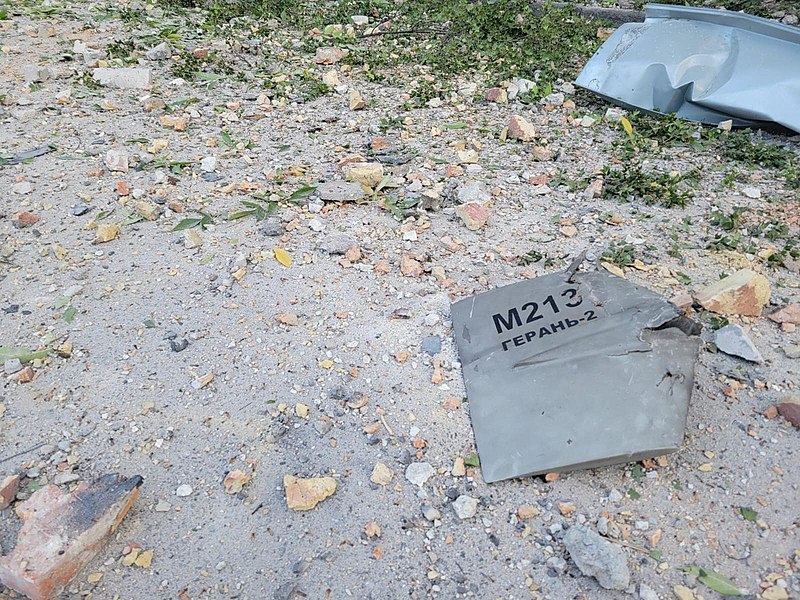
Iran has come under heavy scrutiny for its alleged involvement in Russia’s war with Ukraine due to the drones Moscow is using to attack Ukraine. The Swiss government has adopted the European Union’s sanctions on Iran over the alleged drone supply to Russia.
The Swiss government issued a statement Wednesday announcing that it was adopting the sanctions on Iran imposed by the European Union on the deliveries of Iranian drones to Russia. However, the statement added that the foreign affairs and economic affairs departments decided that it would not adopt the bloc’s sanctions on Iran over the ongoing protests, which it has repeatedly condemned.
“The decision was made taking into account all of Switzerland’s domestic and foreign policy interests, including Switzerland’s good offices in Iran,” said the statement.
“At the same time, Switzerland once again condemns the use of force by the Iranian security forces in connection with the current protests and calls on Iran to comply with its human rights obligations at bilateral and multilateral level,” the statement also said.
The Swiss foreign ministry condemned the protests last month, calling on Tehran to “exercise restraint” and ensure the Iranian people’s “right to freedom of expression, including on social media,” likely referring to the internet restrictions authorities have imposed to crack down on the demonstrations that have been taking place for more than a month following the death of Kurdish Iranian woman Mahsa Amini.
“Switzerland also reiterates its call on the Iranian government to swiftly deliver on its promise of an impartial and transparent investigation into the circumstances of Mahsa Amini’s death,” said the statement by the ministry.
The protests took place following the death of Amini back in September. Amini died three days after she was arrested by the Morality Police for “improper attire,” sparking widespread protests in the biggest show of opposition to the country’s clerical rulers since the 1979 Revolution. Tehran has also accused its adversaries, the United States and Israel, of using local agents to further incite the protests to destabilize the country.
Women and students played a major role in the ongoing demonstrations, waving and burning headscarves.


