Japan’s manufacturing sector slipped back into contraction in July, while the services industry posted moderate growth, according to data from the au Jibun Bank Purchasing Managers Index (PMI) released Thursday.
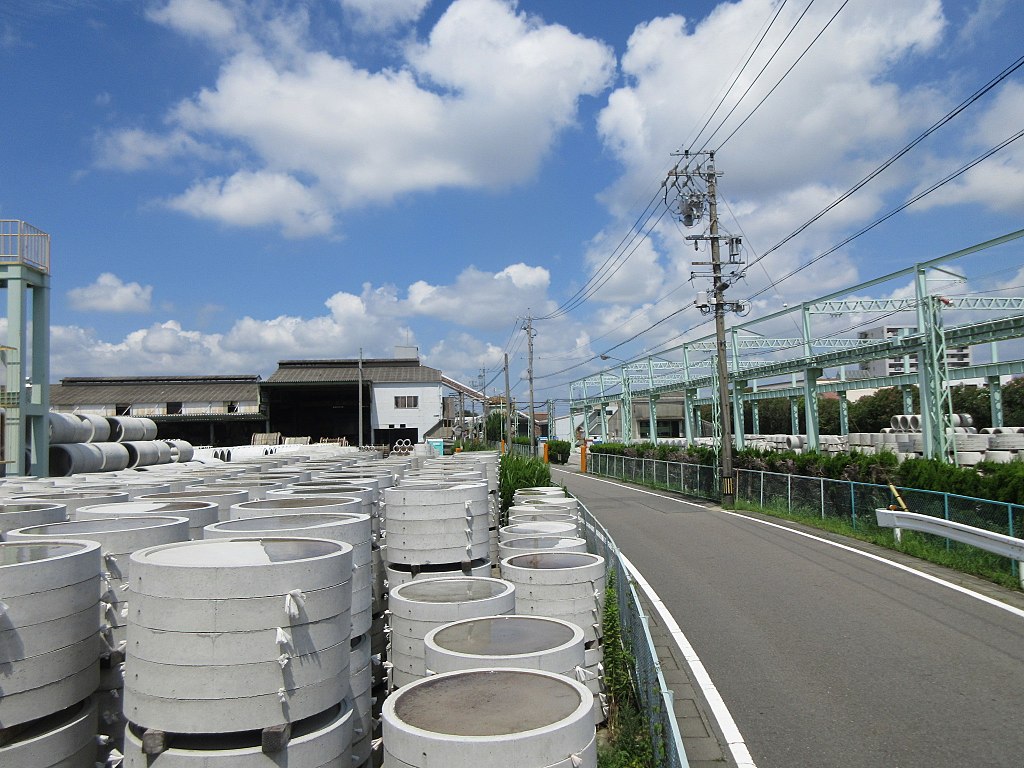
The manufacturing PMI dropped to 48.8, missing market expectations of 50.2 and down from June’s 50.1 reading, which had briefly indicated expansion. A PMI reading below 50 signals contraction, marking July as the 12th contraction in the past 13 months. Analysts attributed the decline to weaker output and falling new orders amid uncertainty over U.S. trade tariffs and cautious customer spending.
In contrast, Japan’s services sector showed improvement, with the services PMI rising to 53.5 from 51.7 in June, reflecting continued demand growth. Despite this, overall business confidence for the year ahead weakened sharply, hitting its second-lowest level since August 2020. Both manufacturers and service providers expressed concerns about the impact of U.S. tariffs on future demand.
The composite output index, which measures overall private-sector activity, remained steady at 51.5, signaling modest expansion but underscoring a fragile outlook for Asia’s second-largest economy.
Japan’s economy continues to face mixed signals as manufacturing struggles against global trade uncertainties while services benefit from domestic demand. Investors and policymakers will be watching upcoming data closely to gauge whether the services sector can sustain growth and offset manufacturing weakness amid ongoing trade tensions.
This divergence between manufacturing and services highlights the challenges for Japan’s recovery trajectory, particularly as external risks, including U.S. tariff policies, remain unresolved.