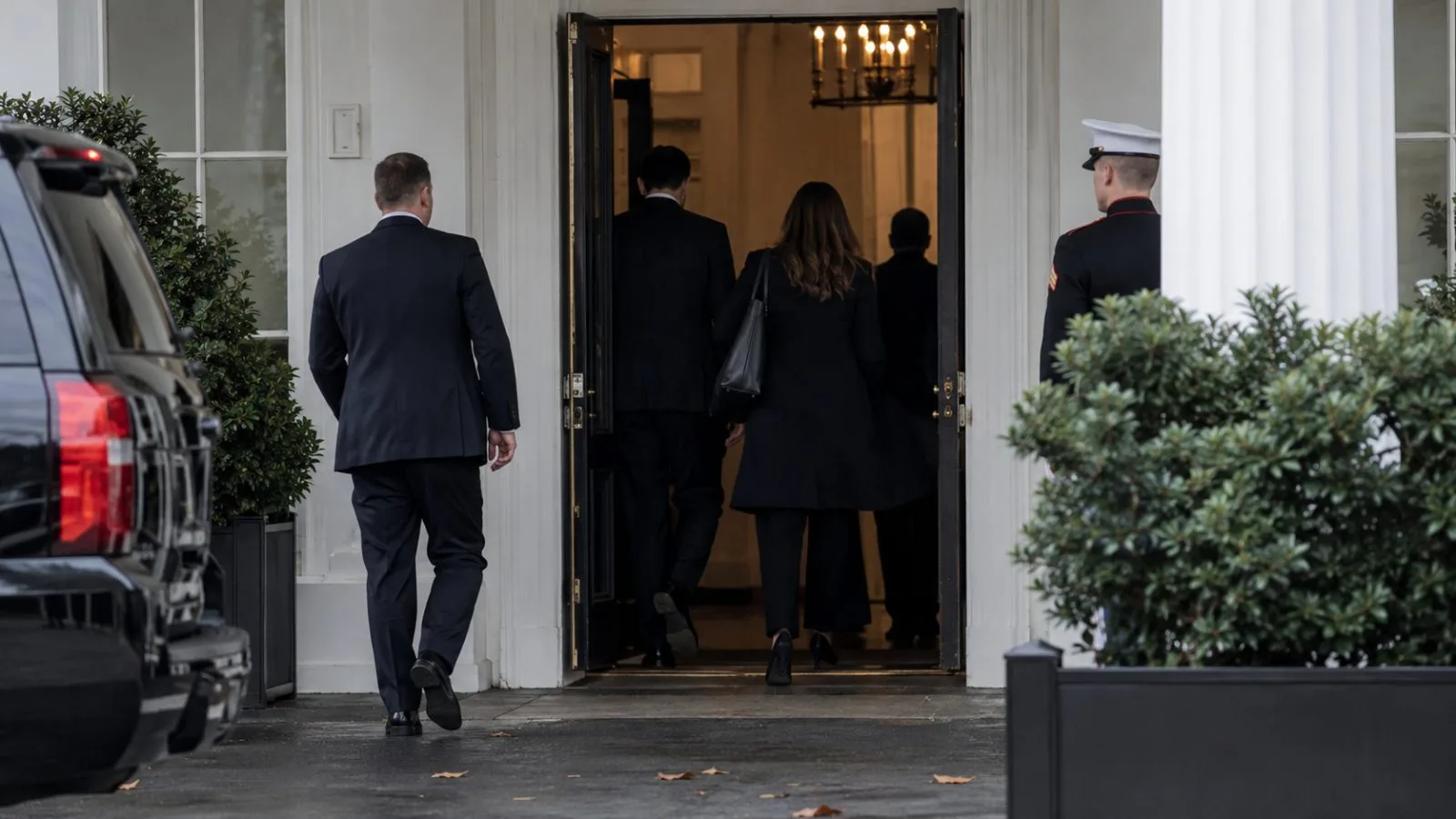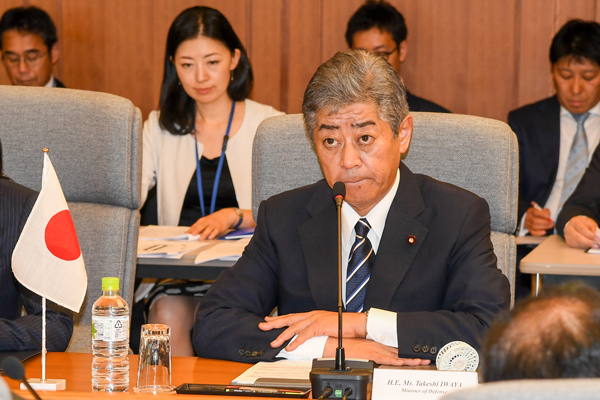
Japan is intensifying its defense capabilities in response to growing security challenges in East Asia, Japanese Foreign Minister Takeshi Iwaya stated during a meeting with U.S. officials in Washington. The discussions, held with U.S. Secretary of State Marco Rubio and National Security Advisor Mike Waltz, focused on regional stability and defense cooperation.
Iwaya emphasized that Japan’s strategic defense build-up is essential, given the heightened threats posed by China’s expanding military influence and North Korea’s nuclear ambitions. He highlighted Japan’s commitment to bolstering its security framework to address these pressing challenges effectively, according to foreign ministry spokesperson Toshihiro Kitamura.
The conversation also touched on the potential implications of former U.S. President Donald Trump’s return to office, raising expectations of increased pressure from Washington on allies to boost their defense spending further. Japan, already engaged in an unprecedented military expansion, is set to play a more significant role in ensuring regional stability.
This historic defense initiative underscores Tokyo’s proactive approach to maintaining peace and security in an increasingly volatile region. As East Asia faces complex geopolitical tensions, Japan's collaboration with the United States remains pivotal. Both nations aim to fortify their alliance to address shared security concerns and uphold a free and open Indo-Pacific.
The meeting reaffirmed the importance of continued partnership between Japan and the U.S. in navigating the evolving security landscape, solidifying their roles as key players in regional defense and diplomacy.
By prioritizing its defense strategy, Japan signals its readiness to confront emerging threats, reflecting its dedication to safeguarding national and regional stability amidst growing uncertainties.