


 Trump Hopes Iran War Nears End as Yemen Fighting Escalates
  FDA Weighs Safety Standards for Psychedelic Therapies
  SEC Seeks ISS Client Voting Records in Proxy Adviser Probe
  South Korea’s Cho Hyun to Meet Rubio in Washington
  Saudi Arabia Raises Security Alerts as Houthi Attacks Threaten Oil Routes
  U.S. Imposes New Visa Restrictions Over South Africa Policies
  Ovechkin Faces Scrutiny Over United Russia Campaign Video
  Yemen Fighting Threatens Red Sea Oil Routes
  France Urges Faster AI Push Despite Safety Risks
  Australia Tightens Student Visa Rules, Targets Migration Cut by 2028
  Who should own the knowledge that underpins AI technology?
  DOJ Will Investigate AI-Related Crimes, Attorney General Blanche Says
  Australia Plans New Rules Giving Users Control Over Social Media Feeds
  Trump Grants Clemency to Jay-Z Associate Emory Jones
  Ukraine Tests New Anti-Drone Weapon After Successful Shahed Intercept
  North Korea Vows to Expand Nuclear Arsenal Amid U.S.-Led Military Buildup
  ICE Agent Arrested in Minneapolis Over Venezuelan Man Shooting


 Add as a preferred source on Google
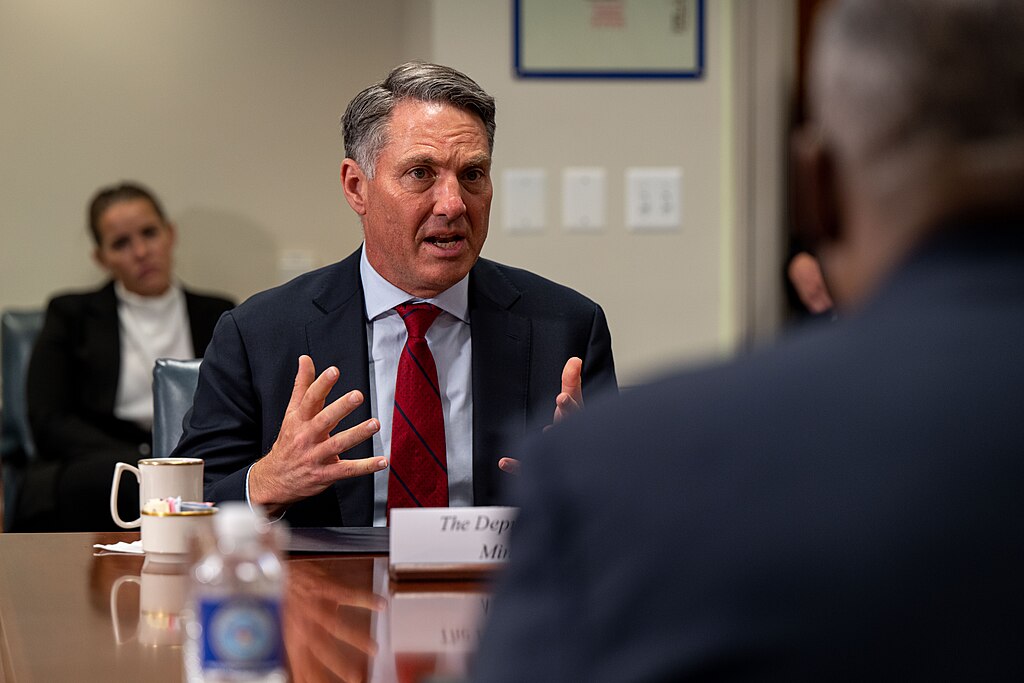
Australia is intensifying efforts to advance the AUKUS nuclear submarine program, with Defence Minister Richard Marles stressing that the nation is being “very self-critical” as it works to overcome key challenges, particularly in developing a skilled workforce. His comments come ahead of a crucial meeting between defence ministers from Australia, the United States, and the United Kingdom in Washington, where accelerating the program’s progress will be a central focus.
A recent Pentagon review of AUKUS—though not yet publicly released—identified improvements to ensure the partnership remains on the “strongest possible footing,” according to a U.S. official. Since its announcement in 2021, AUKUS has become Australia’s most significant defence investment. The agreement includes hosting U.S.-commanded Virginia-class submarines from 2027, purchasing several Virginia submarines from around 2030, and collaborating with the U.K. to design and build a new generation of AUKUS nuclear-powered submarines.
Marles acknowledged concerns highlighted in the review, including whether Australia is progressing quickly enough to build the necessary submarine infrastructure and whether the U.S. can produce enough Virginia-class submarines to meet both domestic and AUKUS commitments. Despite these doubts, he expressed confidence that Australia will be ready to host four U.S. submarines at its Perth naval base by the end of 2027, noting that achieving this goal requires an “enormous uplift” in capability.
One of the most pressing challenges, he said, is expanding and training Australia’s workforce to support submarine construction and long-term maintenance. Marles emphasized the need for detailed planning, continuous assessment, and transparent evaluation of progress. He also pointed to wider issues affecting the AUKUS program, such as strengthening supply chains and increasing U.S. submarine production rates.
As the trilateral defence meeting approaches, Marles reiterated Australia’s commitment to moving the AUKUS program forward with urgency while ensuring long-term sustainability and strategic readiness.







