


 FDA Weighs Safety Standards for Psychedelic Therapies
  US Judge Dismisses Imran Ahmed Deportation Lawsuit
  Google Changes EU Spam Policy Amid Antitrust Scrutiny
  Brazil Warns EU of Retaliation Over Animal Products Ban
  FCC Approves Foreign Investment in $110B Paramount-Warner Bros. Deal
  Trump Eyes End to Iran War, Plans Gulf Leaders Meeting
  U.S. Issues Cuba Health Alert as Illnesses Rise
  Australia Plans New Rules Giving Users Control Over Social Media Feeds
  Trump Administration Removes Confederate Memorial Criticism From Arlington Website
  Pentagon Restarts Testosterone Testing for US Troops
  Australia Defends Social Media Algorithm Law Amid US Concerns
  Trump Bans CNN, MS NOW and Politico From White House
  Trump Threatens EU Tariffs Over Canada Membership Proposal
  US Officials Meet Houthis in Oman Amid Yemen Offensive
  Judge Blocks Trump Rule Limiting Foreign Student Visas
  FBI, Coast Guard Board Ships After Cyberattacks
  ICE Agent Arrested in Minneapolis Over Venezuelan Man Shooting


 Add as a preferred source on Google
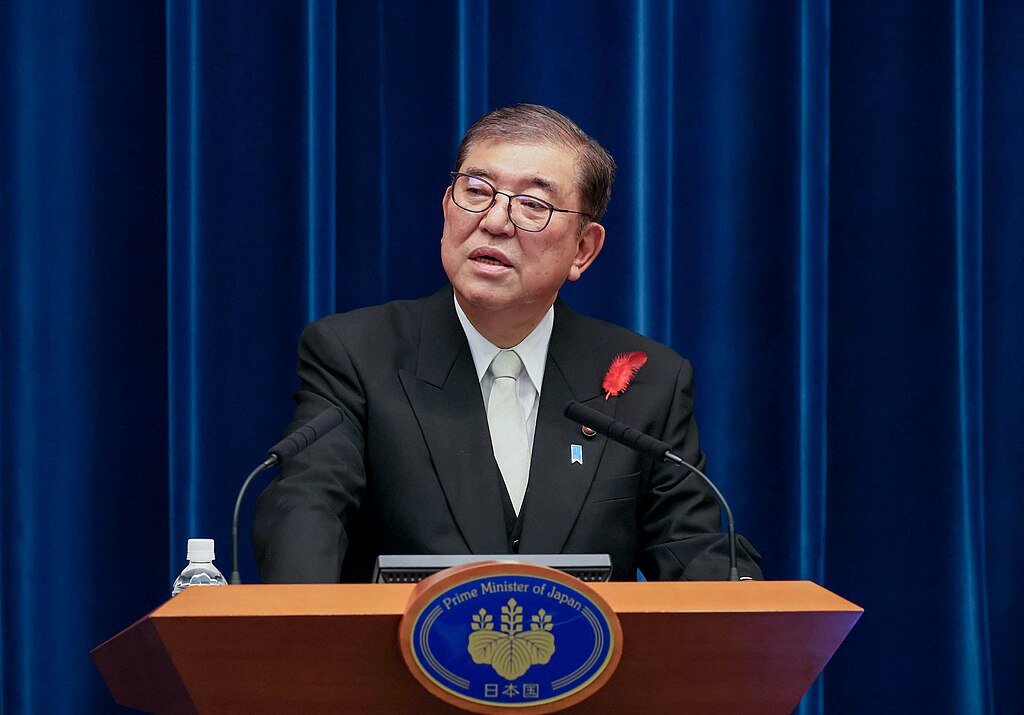
Japanese Prime Minister Shigeru Ishiba announced on Friday a new emergency economic package aimed at cushioning households and industries from the effects of recent U.S. import tariffs. The relief plan, outlined in a government document, includes fuel subsidies, electricity bill support, and expanded corporate financing.
Key measures include a 10-yen ($0.07) per liter subsidy on gasoline and partial coverage of electricity bills for three months starting July. To support small and medium-sized enterprises (SMEs), which are especially vulnerable to global economic shifts, the government will expand eligibility for low-interest loans from state-backed financial institutions.
“I’ve directed cabinet members to prioritize assistance for firms and families concerned about the impact of tariffs,” said Ishiba during a tariff task force meeting. He emphasized that industries such as automotive and steel—which are critical to Japan’s economic growth—could be severely affected.
Economy Minister Ryosei Akazawa noted that the stimulus could be financed through an existing reserve fund, avoiding the need for a supplementary budget. He added that Japan is prepared to roll out further measures to boost domestic consumption if the situation worsens.
The move comes after U.S. President Donald Trump implemented a 25% tariff on car and truck imports on April 2, followed by a 24% tariff on all Japanese goods, which was later reduced to 10% for a 90-day period. Akazawa, who also serves as Japan’s chief trade negotiator, is scheduled to visit Washington next week for a second round of trade talks.
According to the Nikkei, Japan may increase U.S. soybean imports as part of ongoing negotiations, signaling a willingness to make concessions to ease tensions and protect its key industries.







