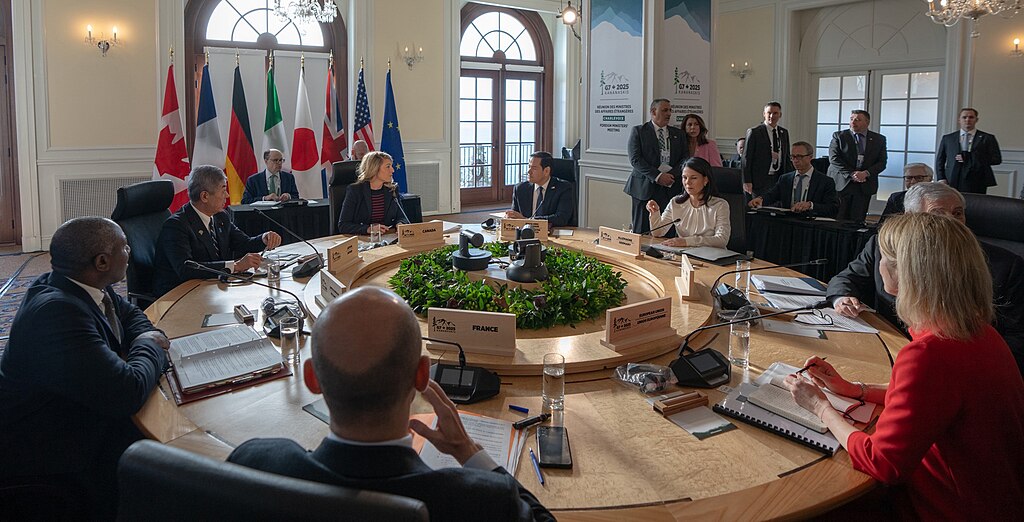
Japan’s Finance Minister Katsunobu Kato has urged G7 counterparts to remain alert to excessive volatility in the currency market, emphasizing the need for stability amid recent sharp declines in the yen. Speaking after the G7 and G20 finance meetings in Washington, Kato said policymakers must monitor rapid currency fluctuations closely to avoid disorderly market movements.
During bilateral talks with U.S. Treasury Secretary Scott Bessent, Kato reaffirmed Japan and the United States’ joint commitment—made last month—to maintain “market-determined” exchange rates. Both countries agreed that foreign exchange interventions should only be used to counter excessive volatility, highlighting their coordinated approach to maintaining financial stability.
“We’ve seen some rapid yen falls last week. It’s desirable for exchange rates to move stably. We are vigilant to any excessive volatility in the currency market,” Kato told reporters, reflecting Tokyo’s growing concerns over the yen’s weakness.
The yen’s recent swings have been driven partly by Japan’s ongoing political uncertainty. New ruling party leader Sanae Takaichi’s historic bid to become the nation’s first female prime minister faces challenges after the junior coalition partner withdrew from the ruling alliance. While Kato declined to comment directly on how politics affects the yen, he noted that “political stability is desirable.”
A weak yen has become a major political and economic issue in Japan, as it raises import costs for energy and raw materials, putting additional pressure on households struggling with rising living expenses. The Japanese government continues to emphasize coordinated policy efforts to stabilize the currency and maintain investor confidence.
By reinforcing vigilance and cooperation with G7 partners, Japan aims to protect its economy from the adverse effects of currency market turbulence while navigating domestic political challenges.