
Japan is considering all possible countermeasures following U.S. President Donald Trump’s decision to impose a 25% tariff on imported automobiles and light trucks, a move expected to significantly impact Japan’s export-driven economy.
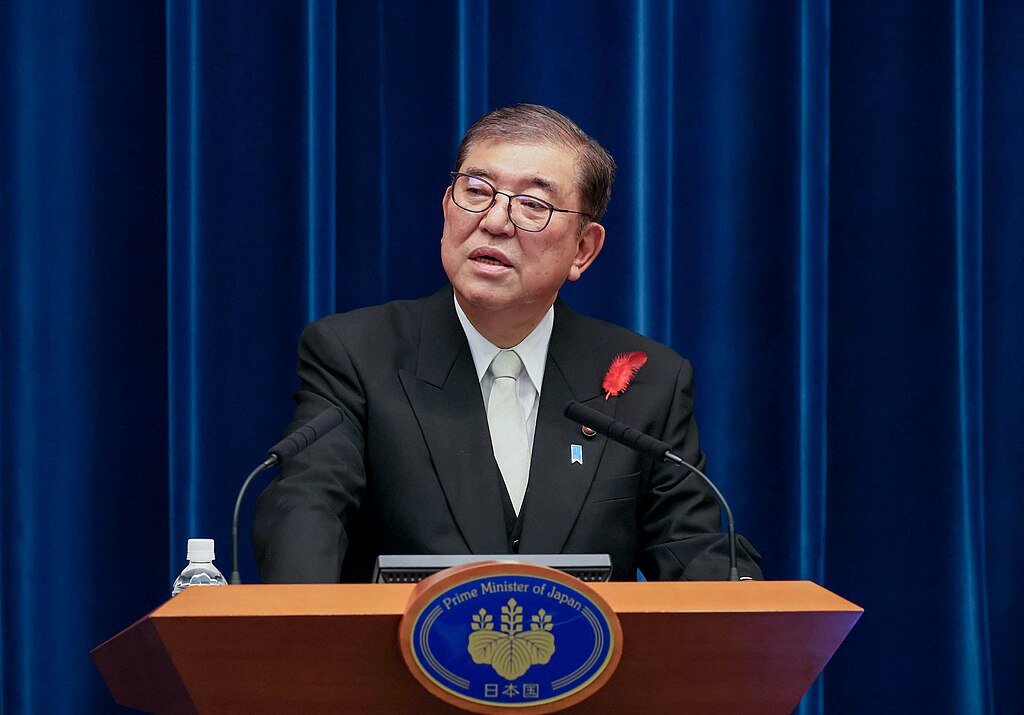
Prime Minister Shigeru Ishiba told parliament on Thursday that Tokyo will keep “all options on the table” in response to the tariffs, which are set to begin next week. He emphasized Japan’s substantial investment in the U.S. and questioned the fairness of applying the same tariff across all nations.
“Japan is making the largest investment in the United States, so it’s questionable whether uniform tariffs make sense. We will continue to make that point,” Ishiba stated.
The tariff hike is part of a broader trade strategy Trump reignited after reclaiming the presidency. Analysts warn that the policy could sharply affect Japan’s economy, heavily reliant on auto exports. In 2024, automobiles accounted for 28.3% of Japan’s total exports to the U.S., the highest among all categories, according to the Ministry of Finance.
Japan’s auto industry contributes around 3% to the nation’s GDP and has played a central role in recent wage increases due to strong overseas profits.
On Thursday, shares in Japanese automakers plunged in early trading following the tariff announcement.
Takahide Kiuchi, executive economist at Nomura Research Institute, estimated the tariffs could drag Japan’s GDP down by 0.2%, warning that the move “has the potential to immediately push Japan’s economy into deterioration.”
As tensions escalate, Japan faces tough decisions on how to safeguard its economic interests and respond to growing protectionism from its top trading partner.


