


 ECB Set for September Rate Hike as Energy Prices Fuel Inflation
  Brent Oil Tops $100 as Middle East Conflict Threatens Supply
  UK House Prices Fall for First Time Since 2023
  South Korea GDP Surges on Chip and AI Boom
  Oil Prices Rally as Brent Nears $100 on U.S.-Iran Escalation
  Hungary Industrial Output Beats Forecasts With 4.7% July Growth
  Oil Prices Climb as Iran Threatens Gulf Energy Infrastructure
  Japanese Yen Nears Seven-Month High as Oil Approaches $100
  Japan GDP Growth Beats Forecast, Boosting BOJ Rate Hike Bets
  Trump Targets 1,000 U.S. Space Launches Annually by 2030
  UK Food Inflation Forecast to Hit 6.4% by Mid-2027
  SEC Probes Banks Over Situational Awareness Hedge Fund Collapse
  U.S. Issues Cuba Health Alert as Illnesses Rise
  Australia Plans New Rules Giving Users Control Over Social Media Feeds
  European Stocks Flat as Iran Tensions, ECB Rate Hike Loom
  Trump Orders Reduction in U.S.-South Korea Military Drills, Citing Kim Jong Un Ties


 Add as a preferred source on Google
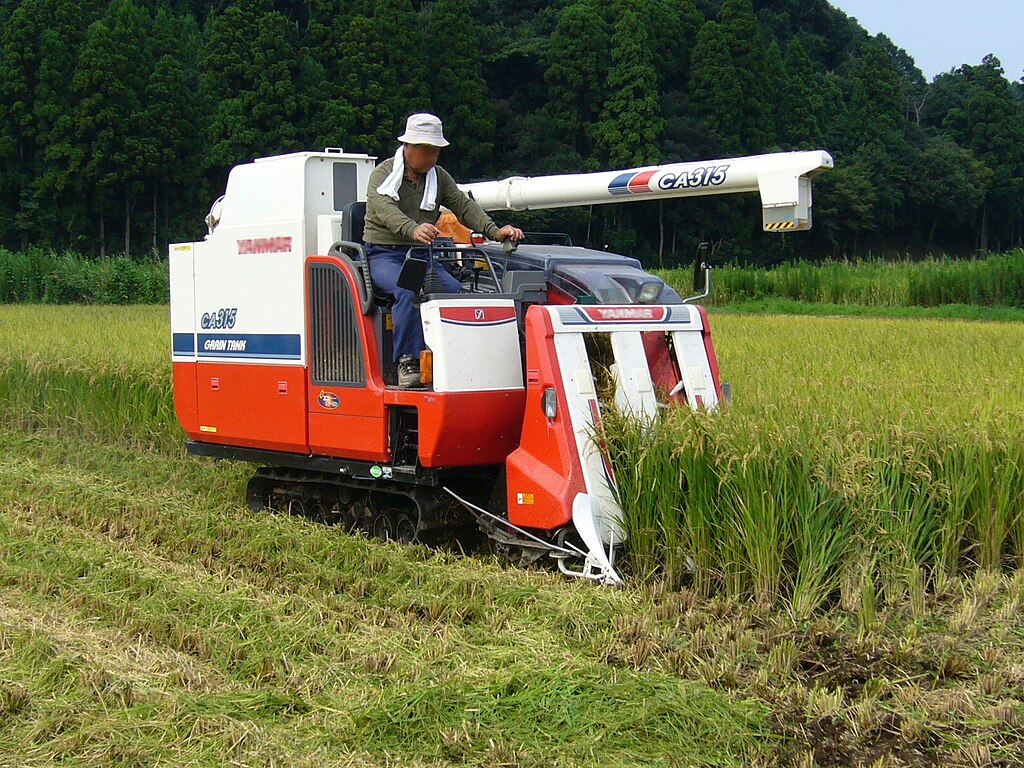
Japan will release an additional 300,000 metric tons of rice from its emergency stockpile by July to address a nationwide shortage and curb surging prices. This move follows the release of 310,000 tons since March—the first time the government has tapped its reserves to stabilize rice prices.
Retail rice prices in Japan have nearly doubled year-over-year, driven by extreme weather damaging crops and increased demand from a tourism rebound. The steep rise has become a political issue for Prime Minister Shigeru Ishiba ahead of the July upper house elections.
To accelerate distribution, the government will now allow some of the released rice to bypass wholesalers and directly reach retailers. Additionally, the timeframe to replenish the released stock—originally within one year—has been extended to five years, easing pressure on future supply.
Despite these efforts, logistical delays persist. Of the 212,000 tons released through auctions in March, only about 2% had reached retailers and restaurants by mid-April. The government plans to conduct monthly bids for 100,000 tons from May through July.
In response to soaring costs, consumers and restaurants—traditionally particular about rice quality—are turning to imported alternatives. Even with import tariffs, foreign rice is now significantly cheaper. Supermarket giant Aeon announced it will begin selling 100% U.S.-grown Calrose rice in June, after offering a Calrose-Japanese blend in April.
The average price of domestic rice reached 4,214 yen ($28) per 5 kg in early May—twice last year’s price, though down slightly from the previous week, marking the first weekly decline in over four months.
This evolving rice crisis underscores Japan’s vulnerability to climate shifts and highlights changing consumer behavior in the face of economic pressures.







