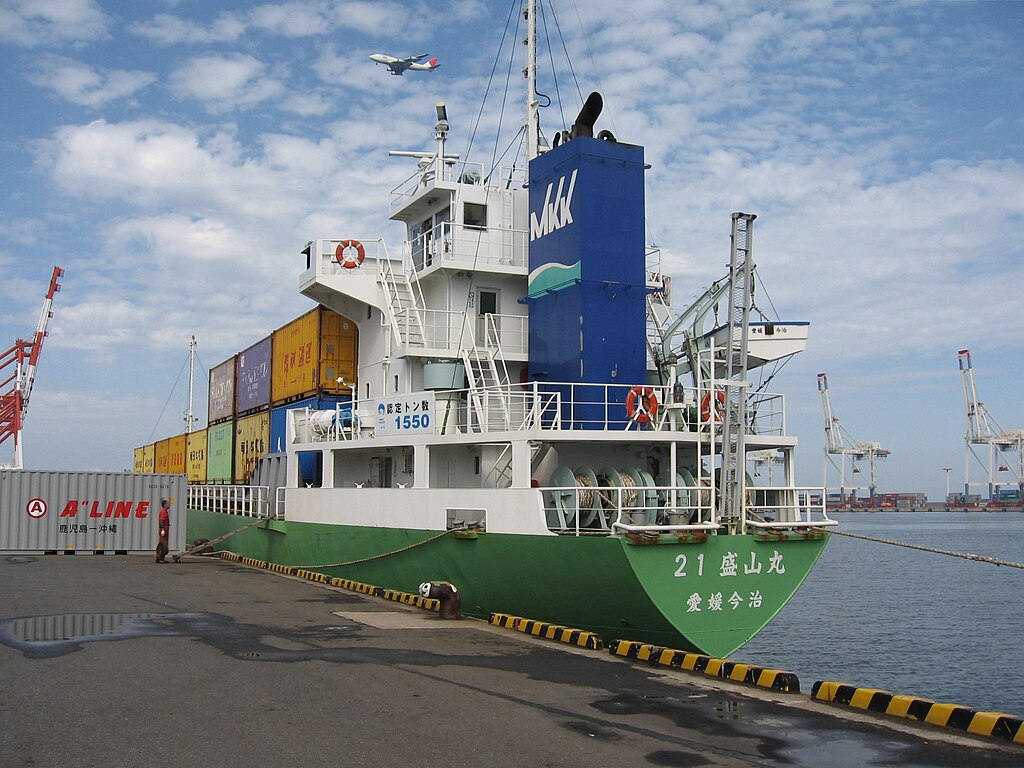
Japan’s exports increased for the fifth consecutive month in February, rising 11.4% year-on-year, slightly below the 12.1% market forecast but up from January’s 7.2% gain. The surge was partly driven by stockpiling as companies brace for U.S. President Donald Trump’s aggressive tariff policies.
Exports to the U.S. climbed 10.5%, with companies like Sony (NYSE: SONY) boosting inventory in anticipation of higher tariffs. Shipments to China rose 14.1%, aided by an earlier end to the Lunar New Year holiday. Meanwhile, imports fell 0.7%, missing market expectations of a 0.1% rise, leading to a trade surplus of 584.5 billion yen ($3.91 billion), below the forecasted 722.8 billion yen.
Trump recently imposed 25% tariffs on steel and aluminum imports, effective last week, with auto tariffs set to follow on April 2. Japan, heavily reliant on exports, particularly automobiles, which make up 28% of the $140.56 billion in annual U.S. trade, faces growing economic uncertainty.
Concerns are mounting that Trump’s protectionist stance could trigger a global slowdown, potentially impacting Japan’s export-driven economy. However, businesses hope strong domestic wage growth will sustain consumer spending and economic stability.
The Bank of Japan is expected to maintain its 0.5% interest rate while assessing the risks posed by escalating U.S. trade tensions at its two-day policy meeting ending Wednesday.