


 Trump Plans White House Shake-Up of Key AI Safety Agency
  Trump Confirms US Intelligence Sharing With Ukraine Amid Russian Strikes
  Greenland Lawmakers Back Trump Security Deal Despite Economic Concerns
  Jordan Bardella Antisemitism Allegations Threaten Le Pen’s Campaign
  India Voter List Protests Reach Supreme Court as Opposition Demands Election Chief's Resignation
  Most Americans Oppose Election Betting on Prediction Markets, Poll Finds
  US Condemns China Sanctions on Taiwan Allies Belize and Paraguay
  Trump Announces Massive Oil and Mineral Exploration Plans in Greenland
  Italy’s Meloni Warns US-Russia Diesel Deal Could Weaken Ukraine Sanctions
  Trump Defends Russian Diesel Deal Amid US Sanctions Backlash
  US Senate Midterms 2026: Key Races That Could Flip Control
  Kim Jong Un Showcases ICBM Ahead of Possible Trump Meeting
  Flavio Bolsonaro Backs Brazil’s 40-Hour Workweek Reform Ahead of Runoff
  US Supreme Court Denies Release of Anti-ICE Activist Kyle Wagner
  Trump Denies China, Russia Are Helping Iran in War
  China Warns Taiwan Over South China Sea Coast Guard Incident
  Zelenskiy Says Ukraine Received No Warning Before Russian Missile Attack


 Add as a preferred source on Google
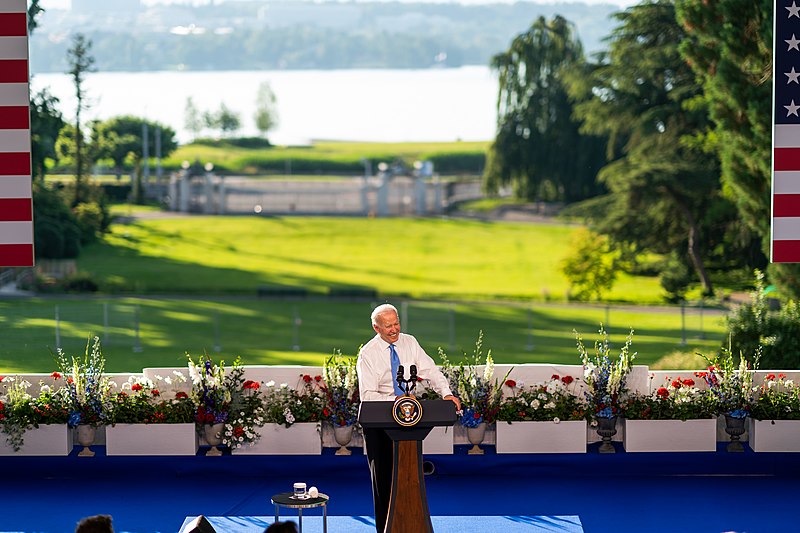
With the final vote by the Senate on the bipartisan $1.2 trillion infrastructure proposal set to take place soon, the Senate’s Democratic party has also unveiled its massive $3.5 trillion proposal. The Democratic-drafted package would help address the climate and health care among other social issues.
The Democrats in the Senate introduced their massive budget resolution Monday with the hefty price tag of $3.5 trillion. The federal funding would be spaced out over a span of 10 years with investments for family support, healthcare, and education programs as well as the major issue of climate change. This would signal the first step in what looks to be an uphill battle for the Democrats to shape the federal government in line with US President Joe Biden’s domestic policy goals.
One of the lawmakers who played a major part in drafting the proposals was Vermont Senator Bernie Sanders, a known progressive figure. Many aspects of the proposal would involve the campaign pledge Biden has made, sparing Americans who make an annual income of $400,000 and below while imposing taxes on the wealthy. Party leadership has already said the budget for this proposal is already fully funded but the budget resolution does not make it a requirement.
The Senate was set to approve the plan this week, anticipating a unanimous opposition from the Republican Party in the midst of an evenly divided Senate. However, the chamber had already voted to end the debate on the infrastructure bill, which has received incredible bipartisan support. The vote for the bipartisan bill is scheduled for Tuesday and following the bill, the chamber will then vote on the $3.5 trillion plan.
Meanwhile, Biden is looking to pull through with another one of his campaign promises, this time for the families of the 9/11 victims. The Justice Department Monday has pledged to make a fresh review of the files related to the 9/11 terrorist attacks for a possible public release. This follows years of pressure from the families of the victims looking to know the details behind the attacks, notably the role the Saudi Arabian government played.
The agency did not specify which documents or information may be released following its review.







