


 IMF Warns US Debt Crisis Needs Fiscal Action, Urges China to Boost Consumption
  India Voter List Protests Reach Supreme Court as Opposition Demands Election Chief's Resignation
  Trump Denies China, Russia Are Helping Iran in War
  Kim Jong Un Showcases ICBM Ahead of Possible Trump Meeting
  MI5 Warns of Rising Iran, Russia Threats and AI Bioweapon Risks
  North Korea Fires Ballistic Missiles Amid Rising Tensions With South Korea
  US Senate Midterms 2026: Key Races That Could Flip Control
  Zelenskiy Seeks New US Talks to Revive Ukraine-Russia Peace Negotiations
  SpaceX Starlink Restrictions Disrupt Ukraine Military Operations
  US Justice Department Drops Prosecution of Ex-CIA Analyst Sue Mi Terry
  Most Americans Oppose Election Betting on Prediction Markets, Poll Finds
  US Supreme Court Denies Release of Anti-ICE Activist Kyle Wagner
  Italy’s Meloni Warns US-Russia Diesel Deal Could Weaken Ukraine Sanctions
  Trump Warns Houthis Over Attacks, Considers Erdogan Intervention
  Greenland Lawmakers Back Trump Security Deal Despite Economic Concerns
  Trump Announces Massive Oil and Mineral Exploration Plans in Greenland
  China Warns Taiwan Over South China Sea Coast Guard Incident


 Add as a preferred source on Google
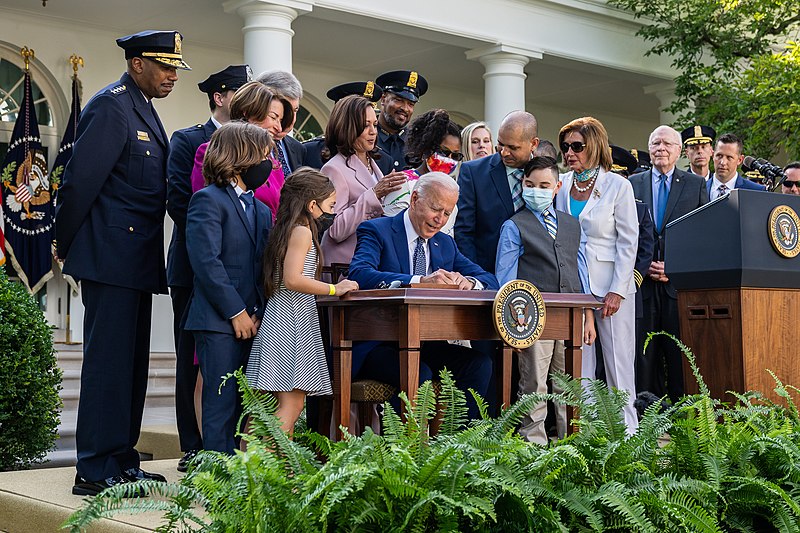
With an evenly divided Senate despite the Democratic party controlling the majority, the proposals that US President Joe Biden was keen on getting passed appeared to initially face an uphill battle. With a focus on pulling through with improving the country’s infrastructure, Biden praised the Senate’s bipartisan passage of the $1.2 trillion infrastructure bill.
Speaking from the White House, Biden praised the Senate for successfully passing the bipartisan infrastructure bill after weeks of discussions with key lawmakers. The bill received broad bipartisan backing, surpassing the filibuster threshold at 69 to 30, 19 Republican lawmakers joining their Democratic counterparts in support of the bill. Once the bill makes it through the House, Biden will have achieved another major legislative win within his first year as President.
“After years and years of ‘Infrastructure Week,’ we are on the cusp of an infrastructure decade that I truly believe will transform America,” said Biden. The US leader added that he never believed those who criticized him for his calls for bipartisanship in terms of implementing policies.
Biden also gave a shout-out to the Republican Senators who have voted in favor of the bill. “I know it wasn’t easy for the Republicans who supported this bill. You showed a lot of courage and I want to personally thank you for that, and I’ve called most of you on the phone to do just that. Today we proved that democracy can work.”
The Senate-approved bill will now proceed to the House for a vote. However, House Speaker Nancy Pelosi previously said that she will not bring the bipartisan proposal to a vote unless the $3.5 trillion Democratic-drafted proposal also makes it through the Senate. Nevertheless, Biden said he looked forward to getting House approval.
Meanwhile, the White House has announced that Biden will be hosting a virtual event called “Summit for Democracy” on December 9 and 10. Those invited to the conference would be made up of heads of state, civil society members, philanthropists, and some representatives of the private sector. The conference, according to the White House, will provide an opportunity for world leaders to listen to each other as well as their citizens while encouraging international collaboration and speaking about the challenges that their democracies are facing at this time.







