


 MI5 Warns of Rising Iran, Russia Threats and AI Bioweapon Risks
  China Warns Taiwan Over South China Sea Coast Guard Incident
  Kim Jong Un Showcases ICBM Ahead of Possible Trump Meeting
  Italy’s Meloni Warns US-Russia Diesel Deal Could Weaken Ukraine Sanctions
  Gaza Olive Harvest Collapses as War Destroys Farmland
  Zelenskiy Seeks New US Talks to Revive Ukraine-Russia Peace Negotiations
  US Condemns China Sanctions on Taiwan Allies Belize and Paraguay
  US Recalls Nicaragua Envoy After Ambassador Rejection
  North Korea Fires Ballistic Missiles Amid Rising Tensions With South Korea
  Trump Announces Massive Oil and Mineral Exploration Plans in Greenland
  Greenland Lawmakers Back Trump Security Deal Despite Economic Concerns
  Trump Confirms US Intelligence Sharing With Ukraine Amid Russian Strikes
  Elon Musk Donates $366 Million to 2026 US Midterms
  Trump Denies Russia and China Are Helping Iran in U.S. Conflict
  Jordan Bardella Antisemitism Allegations Threaten Le Pen’s Campaign
  US Senate Midterms 2026: Key Races That Could Flip Control
  NATO Commander Warns Russia of Devastating Response to Attack


 Add as a preferred source on Google
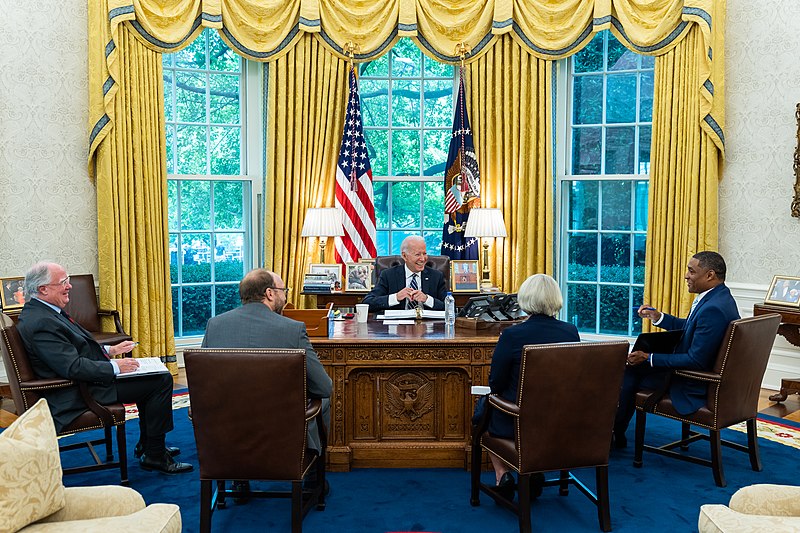
Another threat that the US is facing is on a cyber scale as the country has been subject to ransomware attacks for some time. This week, US President Joe Biden met with tech CEOs to discuss cybersecurity following the ransomware attacks.
Biden and some Cabinet officials hosted executives of tech companies such as Apple, Google, Amazon, and Microsoft and other finance and utility companies Wednesday. The Cabinet officials present were DHS Secretary Alejandro Mayorkas, Commerce Secretary Gina Raimondo, Energy Secretary Jennifer Granholm, and other cybersecurity experts.
The meeting centered on cybersecurity following months of cyberattacks on various sectors, including a major oil pipeline, the Microsoft email exchange system as well as a meat-packing company. Following the discussions, the executives of the tech companies announced that they would be making investments and carrying out training programs in cybersecurity.
Microsoft is planning to make a $20 billion investment in cybersecurity efforts that will span five years. The company will also invest $150 million in assisting government agencies in upgrading protections in cyberspace.
Amazon released a statement saying that it will make its employee cybersecurity training available to the public. Google said that it would invest $10 billion in a span of five years to “secure the software supply chain.”
Analysts have called for Biden to impose sanctions on Russia and other countries over harboring cybercriminals. Other analysts, however, have suggested that more scrutiny be placed on cryptocurrency -- the form of payment often used by hackers and ransomware groups.
Meanwhile, a report by the New York Times revealed that then- Israeli Prime Minister Benjamin Netanyahu reportedly “scaled back” the intelligence cooperation of Israel when Biden took office in January. The US has relied on intelligence from Israel regarding the growing nuclear program of Iran, following Tehran’s crackdown on the US spy network in the country.
Anonymous US and Israeli officials were cited as saying that following the end of Donald Trump’s term as president, Jerusalem withheld information from the incoming Biden administration in order to prevent Washington from stopping covert military operations that sought to obstruct Iran’s nuclear program.
This includes the strike on Iran’s Natanz nuclear facility back in April.







