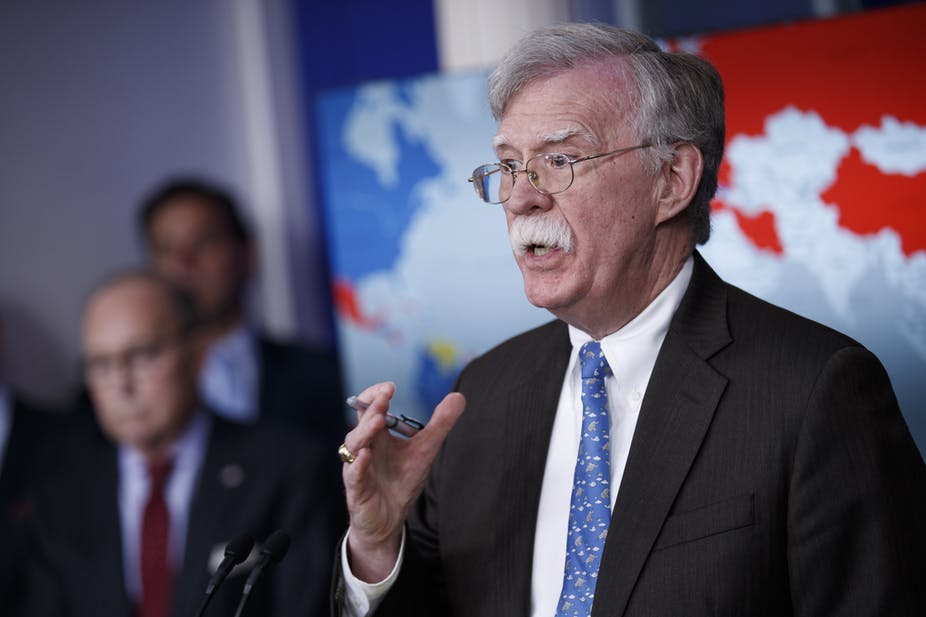
Former U.S. National Security Adviser John Bolton, once a top aide to President Donald Trump and later one of his most outspoken critics, has been indicted by a federal grand jury in Maryland on multiple counts related to the mishandling of classified information. The indictment reportedly includes 18 charges—eight for the unlawful transmission of national defense information and ten for unlawful retention of classified materials.
Federal prosecutors allege that Bolton used a personal email account and messaging applications to transmit sensitive notes containing classified intelligence gathered during his time in government. Authorities also claim he kept additional classified materials at his Maryland home and Washington, D.C. office, violating strict national security protocols.
Investigators say Bolton was aware that the information he handled was classified, though his defense team insists the materials were unclassified and reviewed by security officials before publication. They describe the charges as politically motivated, arguing that Bolton is being targeted for his criticism of the former president and his administration’s handling of classified materials.
The case took another twist when officials revealed that Bolton’s personal email had been hacked by individuals linked to the Iranian regime, potentially exposing sensitive U.S. government information. In August 2025, FBI agents conducted raids at Bolton’s residences, seizing documents believed to contain national security details.
If convicted, Bolton faces decades in prison, as each count carries a potential sentence of up to 10 years. The indictment marks a significant escalation in the Justice Department’s efforts to enforce federal security laws and comes amid a broader debate over political accountability, free speech, and national security.
The Bolton case is expected to become a flashpoint in Washington, intensifying scrutiny of how top government officials—both current and former—handle classified information and raising questions about the balance between transparency and state security.