


 Taiwan Says U.S. Arms Sales Protect Chip Supply
  China, US Extend Trade Truce Through January 10 After Trump-Xi Summit
  UK PM Burnham to Unveil Economic Vision at Labour Conference
  Iran Warns US Against Renewed Attacks as Hormuz Tensions Rise
  Germany Political Risks Rise as Merz Faces Coalition Pressure
  UK Police Arrest Five in RAF Fairford Terror Probe
  Iran Awaits U.S. Response on Hormuz Ceasefire Proposal
  OpenAI, Anthropic CEOs Summoned to Australia AI Inquiry
  Iran Says Diplomacy Only Path to End U.S.-Israel Conflict
  South Korea Demands Ukraine Apology Over North Korean POW Disclosure
  UK PM Burnham Signals Social Care Tax Changes, Questions Heathrow Expansion
  Iran Holds Firm on Hormuz Reopening Terms Despite Trump Rejection
  California Bans Memecoins Issued by Public Officials Under New Law
  Trump to Ease U.S. Fuel-Economy Standards
  Taiwan Pushes Back on China’s World War Two Narrative After Trump-Xi Summit
  Bitcoin Slides Below $84K as Trump Signals Possible New Iran Strikes


 Add as a preferred source on Google
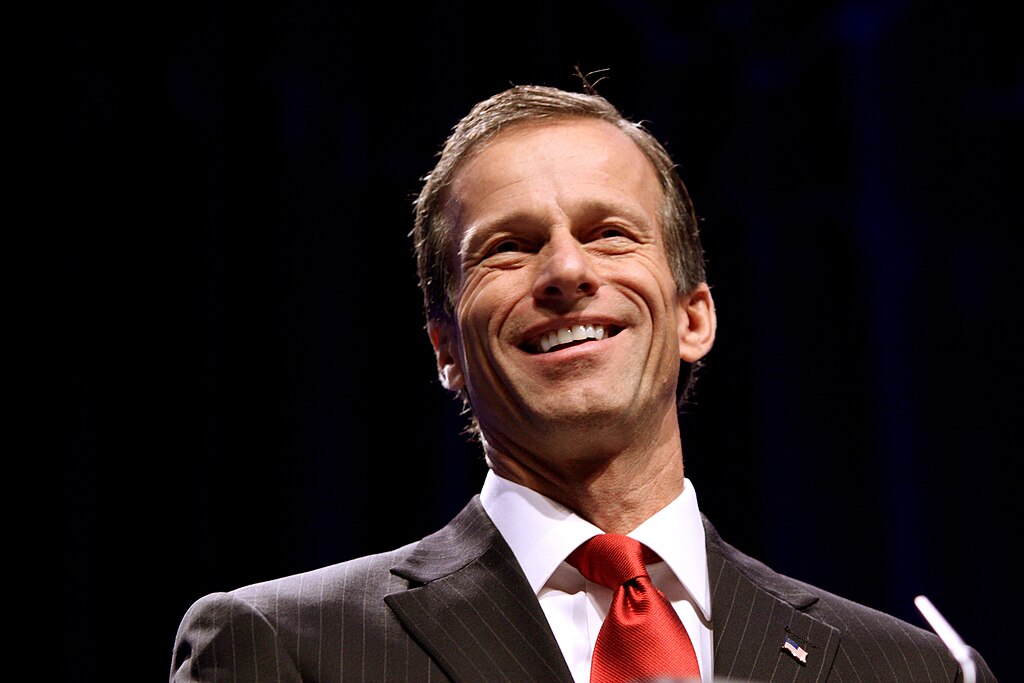
Senator John Thune, the senior Republican from South Dakota, is expected to ascend to the role of Senate Majority Leader, cementing his position as one of the most influential figures within the GOP. This move signals a shift in the Republican Party’s leadership structure and could reshape the party’s legislative agenda in the Senate for years to come.
Thune, who has served in the Senate since 2005 and is currently the Senate Minority Whip, is set to replace Mitch McConnell as Majority Leader. Known for his calm demeanor and pragmatic approach, Thune’s leadership could mark a departure from McConnell’s long-standing, sometimes polarizing strategies. With this new role, Thune will be at the forefront of steering the GOP’s legislative priorities, managing delicate bipartisan negotiations, and leading the Senate Republicans through what is expected to be a highly charged political landscape.
Thune’s Record and Leadership Style
A staunch conservative, Thune is widely respected within the GOP for his disciplined, no-nonsense approach. Over the years, he has been a vocal advocate for fiscal conservatism, regulatory reform, and agricultural policies that support rural America, especially his home state of South Dakota. His reputation as a “steady hand” has earned him the respect of both his Republican colleagues and some Democrats, setting him up as a leader who may find success in bridging divides within the Senate.
Thune’s approach differs in key ways from his predecessor, McConnell, who has led the Senate Republicans since 2007. While McConnell is known for his sharp, strategic maneuvering, particularly in judicial appointments, Thune is expected to bring a slightly softer touch to the role. Colleagues say Thune’s style is one of consensus-building, which could prove beneficial in a Senate often stymied by partisan gridlock.
Challenges Ahead
As Senate Majority Leader, Thune will inherit significant challenges. The nation is deeply divided, and legislative battles over issues such as immigration, healthcare, and budget allocation loom on the horizon. Moreover, the GOP faces internal divisions between traditional conservatives and the more populist, Trump-aligned wing of the party. Thune’s ability to unify these factions will be crucial for the GOP’s success in advancing its legislative goals.
One of the most anticipated questions is how Thune will handle former President Donald Trump’s continued influence on the party. While Thune has been cautious in his public statements about Trump, he will now face increased pressure to either embrace Trump’s influence or guide the GOP toward a different path. His stance on this issue could significantly shape the party’s direction, especially with Trump likely playing a key role in upcoming elections.
A Strategic Shift?
Thune’s rise to Majority Leader could signify a strategic pivot for the GOP in the Senate. Political analysts suggest that Thune may prioritize issues like tax reform, rural economic development, and deregulation, while potentially softening the rhetoric that has sometimes alienated moderate voters. His leadership style may appeal to undecided or independent voters who are looking for pragmatic solutions over partisan conflict.
While his allies praise his ability to work behind the scenes and secure legislative victories without fanfare, critics argue that Thune’s low-key approach might lack the dynamism needed to counter an assertive Democratic opposition. Nonetheless, his supporters believe he will be a stabilizing force, capable of leading the GOP through complex legislative negotiations and bolstering their influence in Congress.
As John Thune steps into the role of Senate Majority Leader, all eyes are on how he will navigate the demands of his caucus and the expectations of the nation. The GOP faces a pivotal moment, and Thune’s choices in the coming months will likely define his leadership and set the tone for the party’s future.







