


 Amazon Shares Fall as FTC Plans Ad Pricing Lawsuit
  New Zealand Labour Backs Social Media Ban for Under-16s
  France Targets Shein, Temu With Fast-Fashion Fees
  U.S. Probes Apex Logistics Over Nvidia AI Chip Shipments to China
  29 US states are suing Meta. What might it mean for the rest of the world?
  US Court Approves airBaltic Chapter 11 Restructuring
  Trump Rejects Calls for Tougher AI Regulation
  US Bans Canadian Alcohol, Motorcycles as Trade War Escalates
  Nvidia CEO Jensen Huang Expected at Trump-Xi State Dinner
  DOJ Will Investigate AI-Related Crimes, Attorney General Blanche Says
  SEC Seeks ISS Client Voting Records in Proxy Adviser Probe
  Takaichi-Backed Koja Wins Okinawa Governor Race
  Ukraine Races to Counter Russia’s Faster Jet-Powered Drones
  Banking scandal rocks Brazil’s politics and the country’s presidential election in October
  Brazil Court Suspends Sigma Lithium Mine Operations
  Meta Agrees to $18 Billion Settlement, Tightens Teen Social Media Rules


 Add as a preferred source on Google
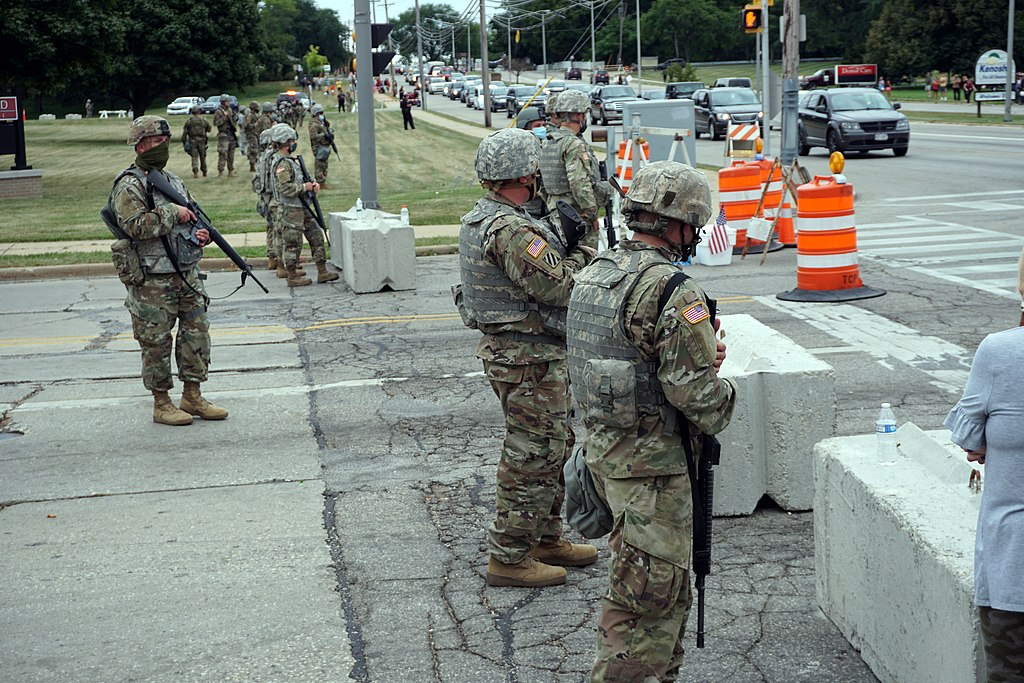
A federal judge has issued a temporary halt to President Donald Trump’s plan to deploy National Guard troops to Washington, D.C., marking a significant pause in the administration’s broader push to send military forces into U.S. cities over the objections of local officials. U.S. District Judge Jia Cobb, appointed by former President Joe Biden, ruled that the Trump administration cannot deploy Guard troops to enforce domestic law in the nation’s capital without approval from the city’s mayor. However, she delayed the enforcement of her decision until December 11, giving the administration time to appeal.
The legal battle is one of several unfolding nationwide as Trump challenges long-standing limitations on a president’s authority to use military personnel for domestic law enforcement. The dispute in Washington centers on Trump’s August 11 announcement directing National Guard troops into the city, which prompted a lawsuit from District of Columbia Attorney General Brian Schwalb on September 4. Schwalb argued that the president unlawfully seized control of local policing and violated laws restricting military involvement in civilian law enforcement.
While Washington, D.C., is not part of any state and the president holds special authority over its law enforcement matters, city leaders say Trump exceeded his powers and set a dangerous precedent. They argue that allowing federal troops to enforce civilian law without local consent undermines democratic governance.
The Trump administration has defended its actions, calling the lawsuit politically motivated. White House spokeswoman Abigail Jackson said the president acted lawfully and credited the troop deployments with reducing crime. Administration attorneys insisted Trump has full authority to deploy troops in the capital without local approval.
Beyond Washington, Trump has ordered deployments to Los Angeles, Chicago, and Portland, Oregon, citing rising crime and unrest tied to immigration enforcement. Democratic leaders have pushed back, filing lawsuits to stop what they describe as politically motivated military interventions. Trial courts have sided with local officials in each case where the deployments were challenged, though one appellate ruling has allowed troops to remain in Los Angeles.







