


 Pakistan Declares Emergency in Khyber Pakhtunkhwa, Suspends Imran Khan’s PTI Government
  North Korea Fires Ballistic Missiles as Tensions With South Korea Escalate
  Trump Announces Russia-Ukraine Energy Ceasefire Amid U.S. Pressure on Kyiv
  Panama Declares Emergency After 7.7 Earthquake Triggers 200 Aftershocks
  Trump Buys Up to $25M in Meta Stock, Invests in SpaceX Debt
  RFK Jr. Launches Nationwide Vaccine Safety Review
  US, EU Push for Action Against Asia’s Excess Factory Capacity
  Trump Cancels Alabama Football Trip as Hurricane Isaias Approaches
  Zelenskiy Offers Russia Energy Truce Amid Trump Pressure
  Russian Strikes Kill Six in Ukraine, Including Three in Kharkiv
  Zelenskiy Slams US Over Deadly Russian Strikes on Ukraine
  Ripple Chairman Chris Larsen Donates $22.5 Million Ahead of US Midterms
  Trump Sanctions International Criminal Court, Sparking EU Backlash
  US Judge Blocks Trump Administration’s Taxpayer-Funded Political Ads
  Venezuela’s Machado Calls for Elections by July 2027
  Trump Calls for Zelenskyy Replacement Amid Russian Diesel Deal
  UK Finance Minister Healey Calls for Fiscal Discipline Amid Global Risks


 Add as a preferred source on Google
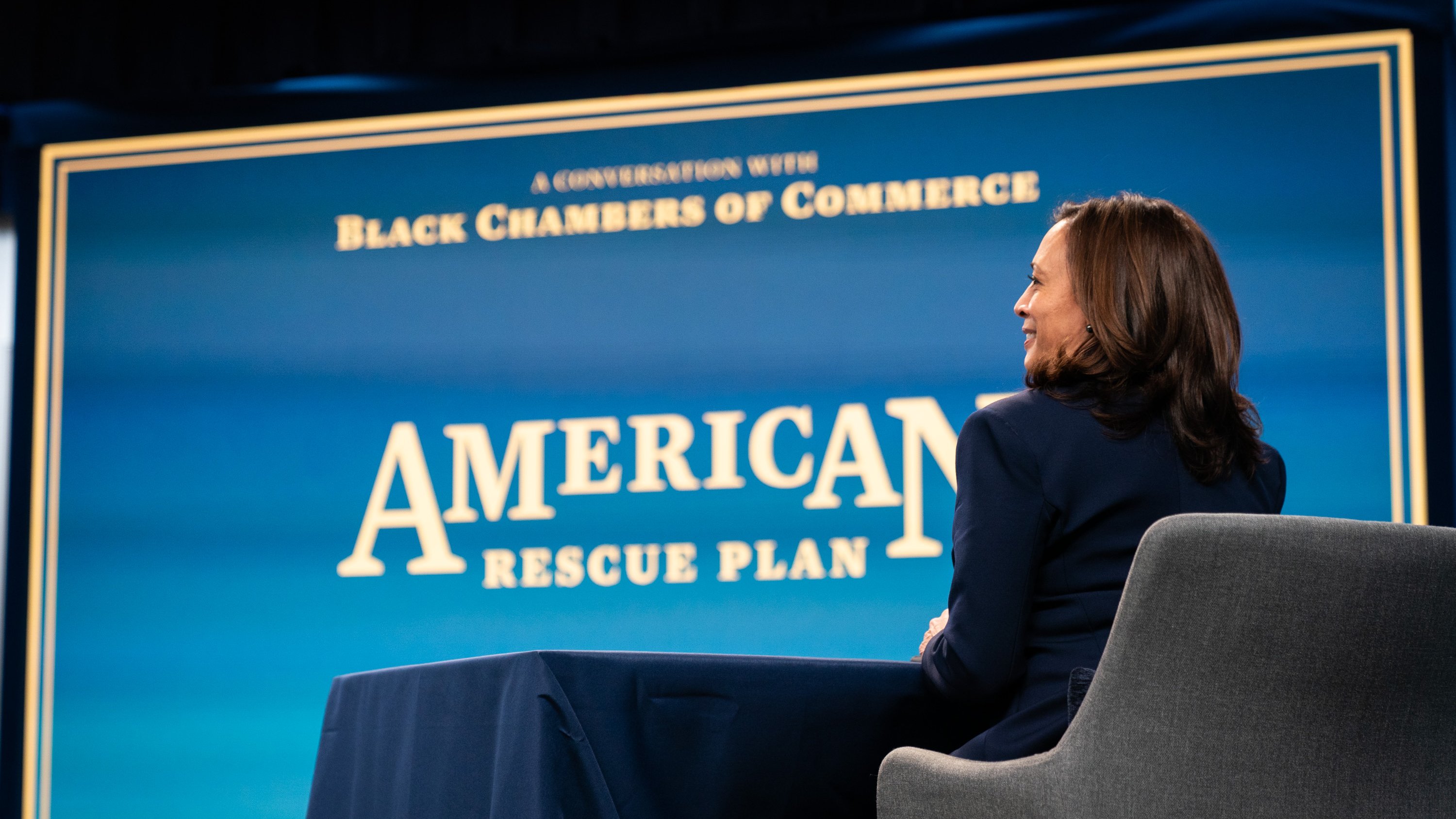
With an evenly divided Senate, Vice President Kamala Harris gives the Democratic party the majority through her tie-breaking votes. Last week, Harris exercised her tie-breaking powers in the Senate with the COVID-19 relief within minutes.
In the early hours of Friday morning, Harris made use of her tie-breaking powers in the Senate to cast the deciding vote on a COVID-19 budget resolution that allowed the Democratic Senators to pass the coronavirus relief package regardless of Republican support. 21 minutes prior, Harris cast the deciding vote on an amendment. Despite wielding the ability to cast the deciding vote as the Senate is now evenly split, there is still the hope that bipartisanship would be sought by the upper chamber.
“Since our nation’s founding, only 268 tie-breaking votes have been cast by a Vice President. I intend to work tirelessly as your Vice President, including, if necessary, fulfilling this Constitutional duty. At the same time, it is my hope that rather than come to the point of a tie, the Senate will instead find common ground and do the work of the American people,” wrote Harris in a statement before she assumed her vice presidential duties.
Nevertheless, Harris said during a roundtable discussion with the local Black Chambers of Commerce later that day that she enjoyed being at the Senate even at the early hours of the morning. Her tie-breaking votes have been a sharp contrast to Joe Biden, who never had to cast the tie-breaking vote during his two terms as Vice President to Barack Obama.
Also last week, Harris spoke with Canadian Prime Minister Justin Trudeau regarding some cross-border concerns like the “Buy American” policy as well as climate change and promoting diversity and Democratic principles. The readout from their conversation issued by Harris’ office did not reference Biden’s promise to prioritize US-based suppliers and businesses in the policy. The readout from Trudeau’s office, however, revealed that they discussed the “unintended consequences of the Buy American policy.”
Trudeau was the first world leader that Biden reached out to following his swearing-in. Both leaders have reaffirmed the relations between the two countries despite a rocky start as Biden issued an executive order to cancel the Keystone XL pipeline.







