


 OpenAI Pulls the Plug on Sora, Ending $1 Billion Disney Partnership
  Bank of America's $72.5M Epstein Settlement: What You Need to Know
  ECB Eyes Rate Hike Amid Iran Conflict-Driven Energy Price Surge
  9 Tips for Avoiding Tax Season Cyber Scams
  SK Hynix Eyes Up to $14 Billion U.S. IPO to Fund AI Chip Expansion
  McDonald's and Restaurant Brands International Face Headwinds Amid Iran Conflict and Rising Costs
  U.S. Praises Kurdistan's Role in Oil Markets Amid Iran War Fallout
  Amazon's "Transformer" Phone: Can It Succeed Where Fire Phone Failed?
  China Opens Door to Stronger U.S. Trade Ties Amid Rising Tensions
  Cyberattack on Stryker Triggers U.S. Government Warning Over Microsoft Intune Security
  SMIC Allegedly Supplies Chipmaking Tools to Iran's Military, U.S. Officials Warn
  Oil Prices Surge Past $100 as U.S.-Iran Peace Hopes Collapse
  SpaceX IPO Filing Expected This Week as Valuation Could Surpass $75 Billion
  Google's TurboQuant Algorithm Sends Memory Chip Stocks Tumbling
  Unilever and Magnum Face Defamation Lawsuit Over Ben & Jerry's Board Chair Dismissal
  BlackRock CEO Larry Fink Earns $37.7 Million in 2025 Amid Record Growth
  Nanya Technology Shares Surge 10% After $2.5 Billion Private Placement from Sandisk and Cisco


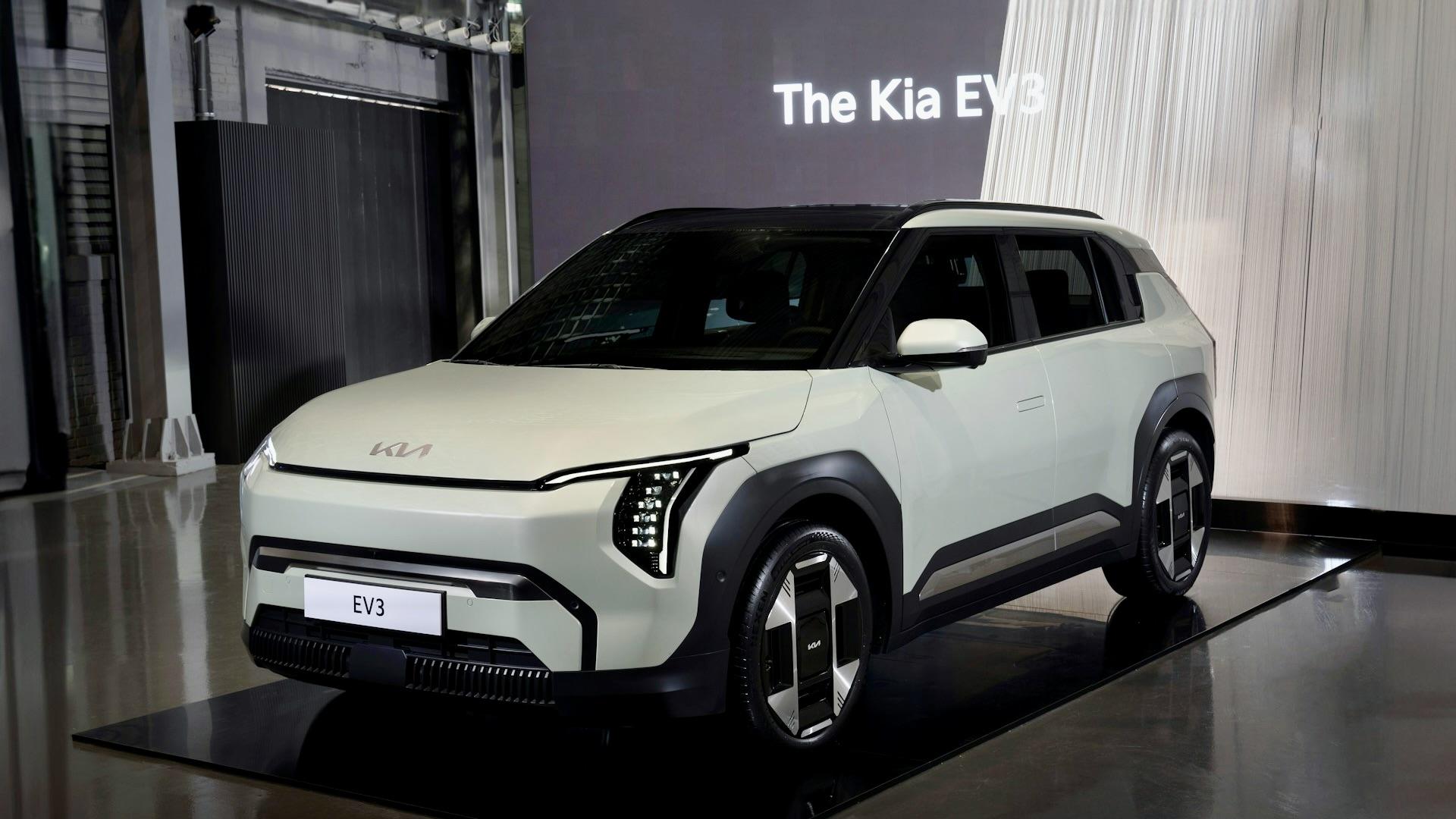
As BYD prepares to enter South Korea’s EV market in 2025, Kia and Hyundai show no signs of concern. Experts highlight that tariffs, subsidy issues, and local consumer preferences make it challenging for BYD to compete with South Korea’s leading EV makers.
BYD Sets 2025 Launch for Passenger Cars in South Korea
Just last month, BYD, a Chinese carmaker, declared that starting in 2025, it will sell passenger cars in South Korea, Teslarati shares. While BYD did join the South Korean commercial vehicle market in 2016, they have not introduced a passenger vehicle there as of yet.
When compared to other markets that BYD has joined, the South Korean car market will be unique. South Korean auto industry executives appear to agree that BYD's affordable electric vehicles won't entice local shoppers to buy the Chinese brand's cars.
Kia and Hyundai Remain Confident Amid BYD’s Entry
“I understand that Hyundai and Kia’s internal response to BYD’s entry to the domestic market is lukewarm. Not only have they not discussed specific countermeasures, but the internal atmosphere is that BYD will not be able to exert much influence in the domestic market,” an insider told Insight Korea.
Due to South Korea's 8% tariffs on all Chinese cars, most insiders believe that BYD will not be able to undercut its costs there. So, there won't be much of a pricing difference between Chinese and South Korean automobiles.
Tariffs and Subsidy Limitations Challenge BYD’s Strategy
Even less South Korean subsidies are available for BYD's lithium iron phosphate (LFP) batteries.
Furthermore, electric vehicles from Kia and Hyundai have been competitive with EV market leader Tesla on a worldwide scale. Hyundai and Kia do not sell electric vehicles (EVs) with cheap prices as BYD does. South Korean automakers, on the other hand, rely on features and designs of electric vehicles to entice buyers.







