


 Gold Prices Rise as Hormuz Tensions Fuel Inflation Risks
  OpenAI Annualized Revenue Hits $50 Billion, Below Earlier Estimates
  Mike Rogers Calls for End to US-Canada Tariff War
  Asian Currencies Mixed as Yen Weakens, Dollar Holds Firm
  Iran Refuses to Halt Uranium Enrichment Amid US Nuclear Demands
  Dollar Near 18-Month High as Euro, Yen and Pound Weaken
  Polkadot Launches dotUSD Stablecoin as DOT Price Falls
  Trump Buys Up to $25M in Meta Stock, Invests in SpaceX Debt
  Unsustainable – or manageable? We don’t yet know how data centres will impact Australia’s environment
  Oil Prices Rise as Hormuz Risks Offset IEA Stock Release
  Wall Street Falls as Oil Prices Rise and Tech Stocks Slide
  Gold Prices Rise as Dollar Weakens, Treasury Yields Fall
  David Schwartz to Reveal XRP Ledger Future at Ripple Swell 2026
  Ukraine minerals deal: the idea that natural resource extraction can build peace has been around for decades
  Elon Musk Accuses Indian Telecom Giants of Blocking Starlink Launch
  Moscow Exchange to Launch Crypto Trading on December 1


 Add as a preferred source on Google
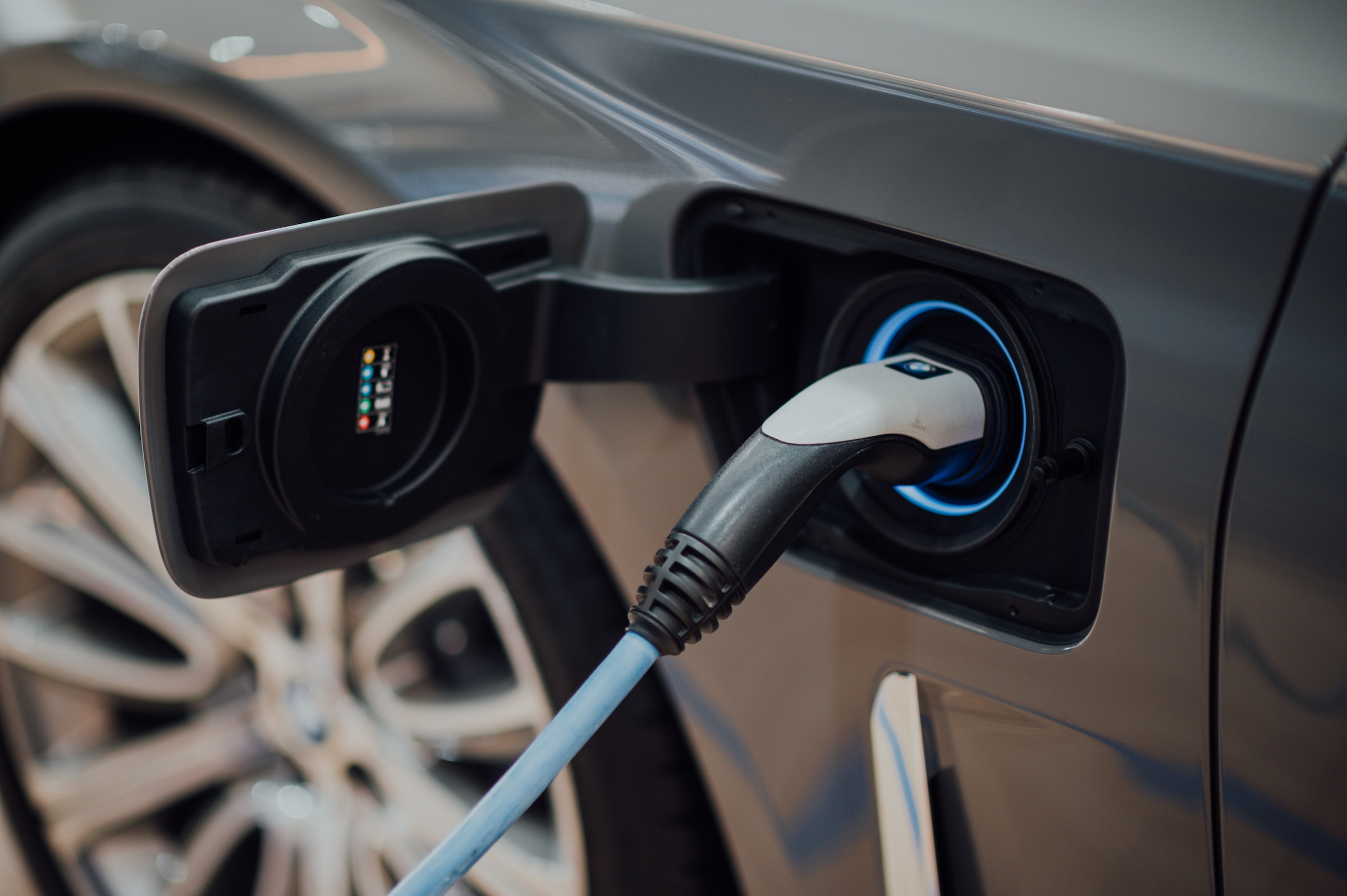
South Korea's third-largest mobile carrier, LG Uplus Corp, has partnered with Kakao Mobility Corp to establish a joint venture into the electric vehicle (EV) charging station business. Each company has committed approximately US$19 million to the venture, expected to emerge as a dominant player in the local EV charging market.
As per the agreement signed last Friday, both companies have invested 25 billion won (approximately US$19 million) each into the joint venture. LG Uplus will assume managerial rights, with an equal share ratio of 50% for both parties. It is worth mentioning that Kakao Mobility took one more week than LG Uplus to acquire 10 million shares. Consequently, the joint venture will be included as a consolidated subsidiary of LG U+.
Later this year, the joint venture will seek approval from South Korea's antitrust regulator. With LG Uplus having launched the EV charging service named VoltUp earlier this year and with Kakao Mobility offering mobile services for EV charging through its KakaoMap navigation platform, both companies are expecting the joint venture to occupy a leading position in the local EV charging market.
The official name and representative of the company will be confirmed upon the establishment of the joint venture. In January, LG Uplus acquired the electric vehicle charging division of its LG HelloVision subsidiary, which marked the beginning of the electric vehicle charging platform business.
The company plans to release the electric vehicle charging platform called 'Volt Up' in the second half of this year. The app, currently undergoing testing, will provide users with information about the location of electric car charging stations, enable reservation of charging time, offer payment and point accumulation features after charging, and provide round-the-clock counseling services.
Although Kakao Mobility does not directly operate a charging platform, it does provide search and payment services for electric vehicle charging stations. The industry predicts that both companies' integrating electric vehicle charging platforms is highly likely.
According to data from the Ministry of Land, Infrastructure and Transport, South Korea had nearly 400,000 electric vehicles on the road by the end of 2022. Electric vehicles are expected to grow to 4.2 million by 2030.
Photo: CHUTTERSNAP/Unsplash







