


 Trump Says He Deserves 2026 Nobel Peace Prize Despite Uncertain Chances
  Pentagon Orders Iran Strike Preparations as Trump Weighs Military Action
  ICC Rules Duterte Fit to Stand Trial in Drug War Case
  Tsai Warns of China’s Sustained Pressure on Taiwan
  Trump Backs Florida Golf Course as Presidential Retreat
  RFK Jr. Launches Nationwide Vaccine Safety Review
  Italy Approves Electoral Reform Ahead of 2027 Election
  US Suspends Microsoft, Adobe From Green Card Program
  Saudi Airport Attacks Kill Three as Yemen Fighting Escalates
  Berlin Coalition Talks Advance After Left Party Antisemitism Deal
  Hegseth Praises USS Abraham Lincoln Crew After Record Iran War Deployment
  Flavio Bolsonaro Leads Lula 49%-45% in Brazil Runoff Poll
  Maduro, Wife May Face New US Torture Charges
  Trump Buys Up to $25M in Meta Stock, Invests in SpaceX Debt
  Zelenskiy Slams US Over Deadly Russian Strikes on Ukraine
  US-Led Coalition Targets Global Factory Overcapacity
  Venezuela’s Machado Calls for Elections by July 2027


 Add as a preferred source on Google
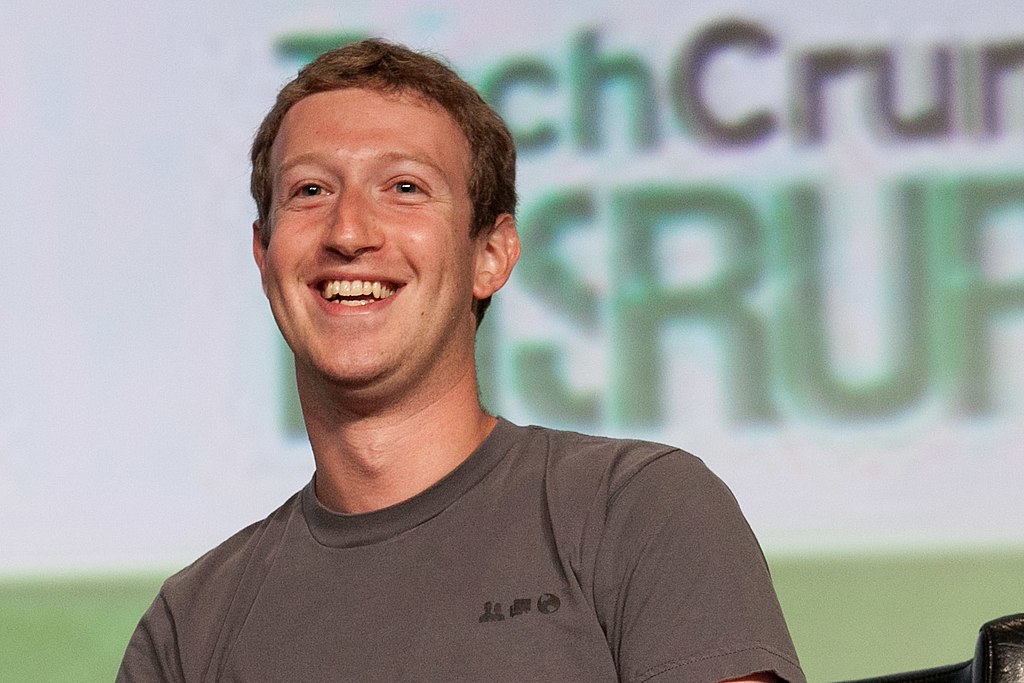
As discussions about technology policy intensify under the incoming Trump administration, reports suggest that Meta CEO Mark Zuckerberg is seeking an "active role" in shaping these critical decisions. This revelation comes amidst heightened scrutiny of Big Tech's influence over the U.S. government and its policies, igniting debates about corporate power and political alignment.
Zuckerberg’s alleged interest in working closely with the administration has sparked polarized reactions, with critics accusing him of aligning Meta’s corporate interests with Trump's agenda. Supporters argue, however, that his involvement could help bridge gaps between tech companies and government policymakers.
Zuckerberg’s Intentions Stir Debate
Reports indicate that Zuckerberg is keen to play a key role in discussions surrounding regulation, artificial intelligence, and content moderation policies. Sources close to the matter suggest that the Meta CEO believes his insights can guide balanced decision-making in a polarized political environment.
Zuckerberg’s stance on Trump’s tech policies remains unclear. However, during Trump’s first term, tech companies faced intense criticism over their role in moderating content and alleged political biases. If Zuckerberg aligns with the administration, it could mark a significant shift in Big Tech's approach to government collaboration.
Critics warn that Zuckerberg’s involvement could exacerbate concerns about undue corporate influence in public policy. On the other hand, proponents contend that his expertise in navigating the complex tech landscape could lead to more informed policymaking.
Big Tech’s Role in the Trump Administration
Under Trump’s previous administration, Big Tech faced legislative proposals targeting monopolistic practices and content moderation standards. With Trump expected to revive many of these policies, Zuckerberg’s proactive stance raises questions about Meta's strategic positioning.
Analysts suggest Zuckerberg’s move could be an attempt to safeguard Meta’s interests amid potential regulations. Trump has previously called for reforms that could significantly impact platforms like Facebook, Instagram, and WhatsApp.
The potential collaboration, however, could also invite backlash from users and advocacy groups. Critics argue that close ties between Meta and the Trump administration could undermine efforts to hold tech companies accountable for their practices.
Netizens React to Zuckerberg’s Reported Plans
The news has sparked widespread reactions on social media, with opinions ranging from support to outright condemnation.
- “If Zuckerberg thinks aligning with Trump is the solution, he’s in for a rude awakening,” wrote @PolicyWatcher101.
- “This is the kind of bold leadership we need from Big Tech. Let’s see what Zuckerberg brings to the table,” tweeted @TechVisionary23.
- “So Meta’s plan is to cozy up to Trump’s policies? Disappointing but not surprising,” commented @SocialMediaCritic.
- “Zuckerberg wants to fix Big Tech from within. It’s risky, but it might just work,” said @InnovatorTalks.
- “The marriage of Big Tech and politics is a dangerous game. This only makes it worse,” noted @FreedomAdvocate.
- “Zuck jumping on the Trump bandwagon is the plot twist no one asked for,” joked @NetNeutralityNerd.







