


 Mike Rogers Calls for End to US-Canada Tariff War
  Trump Envoy Meets Sudan Army Chief in Egypt
  Zelenskiy Warns Russia Is Preparing Massive Attack on Ukraine
  Vance Demands Iran Cut Nuclear Enrichment to End War
  Houthis Strike Aden Airport as Yemen Fighting Escalates
  France Student Protests Intensify Nationwide
  San Francisco Halts New Data Center Construction With 45-Day Moratorium
  Rapidus Seeks Chip Customers as Japan Pushes 2nm Semiconductor Revival
  Trump Backs Florida Golf Course as Presidential Retreat
  Trump Weighs FBI Probe Into Nolan Wells’ Death
  Saudi Airport Attacks Kill Three as Yemen Fighting Escalates
  Maduro, Wife May Face New US Torture Charges
  Mexico Bars Dual Citizens From Presidential Races Starting in 2028
  Lula Weighs Alckmin as Finance Minister to Boost Fiscal Credibility
  Flavio Bolsonaro Surges as Family Scores Brazil Election Comeback
  Saudi Arabia Probes Flydubai Cockpit Attack
  Lincoln University Students Sue Missouri Over Decades of Underfunding


 Add as a preferred source on Google
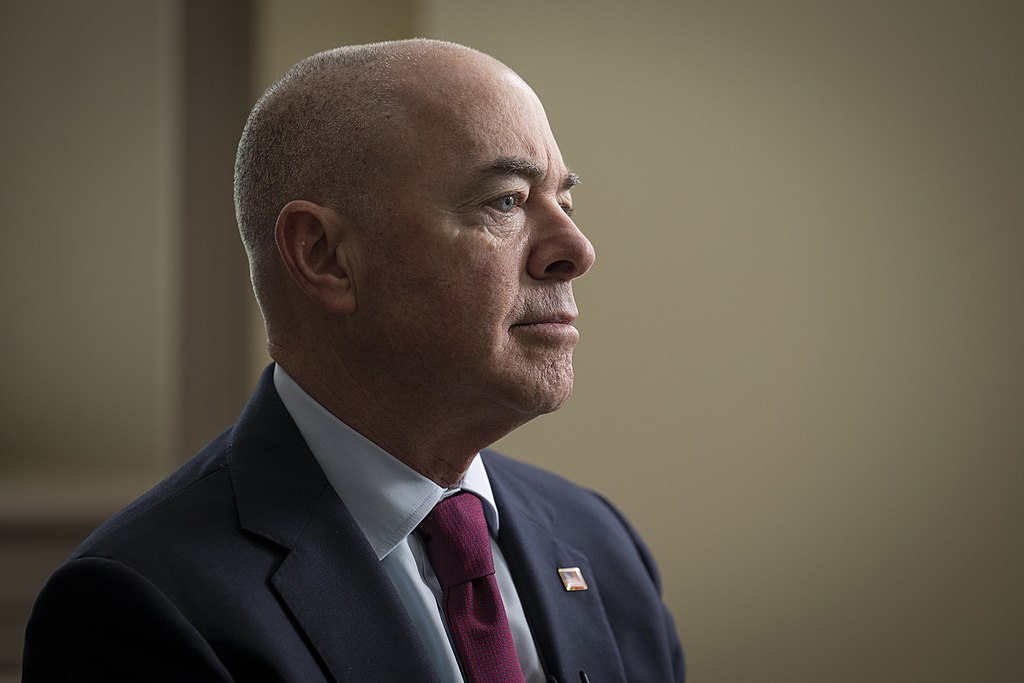
In a recent acknowledgment, Homeland Security Secretary Alejandro Mayorkas conceded that the Department of Homeland Security (DHS) could have implemented more rapid executive actions to mitigate the surge of migrants at the U.S. southern border. This admission comes in the wake of the Republican Party's rejection of his proposed border security bill in January 2024.
Missed Opportunities for Executive Action
Mayorkas stated that, had he anticipated the legislative impasse, DHS would have "taken executive action more rapidly" to address the escalating situation at the border. The proposed bill aimed to introduce comprehensive measures to enhance border security and manage the influx of migrants more effectively. However, the lack of bipartisan support stalled these initiatives, leaving the administration to rely on existing protocols.
The southern border has experienced unprecedented levels of migrant crossings in recent years. In fiscal year 2021, the U.S. Border Patrol reported over 1.7 million migrant detentions, marking the highest number ever recorded.
This surge has strained resources and intensified political debates over immigration policies.
Political Implications and Public Reaction
The Republican Party's rejection of the January 2024 border bill underscores the deep-seated partisan divisions surrounding immigration reform. Critics argue that the administration's reliance on legislative solutions, without contingency plans for potential roadblocks, has exacerbated the crisis. Mayorkas' recent statements suggest a shift towards more immediate executive measures in the absence of legislative consensus.
Public reaction to Mayorkas' admission has been swift and varied, particularly on social media platforms:
-
@BorderWatcher tweeted, "So, DHS admits they could have acted sooner? This is unacceptable. #BorderCrisis"
-
@PolicyAnalyst wrote, "Mayorkas' hindsight won't solve the current issues. We need proactive solutions, not regrets."
-
@ImmigrationReform commented, "Acknowledging delays is a start, but where's the accountability? Lives are affected daily."
-
@SecureTheBorder posted, "This administration's inaction has led to chaos. Mayorkas' words are too little, too late."
-
@HumanRightsAdvocate shared, "While DHS admits delays, let's not forget the human aspect. Migrants deserve humane treatment."
-
@PoliticalObserver noted, "Mayorkas' statement reflects the complexities of immigration policy. Blame games won't help; bipartisan efforts will."
Moving Forward: Executive Actions on the Horizon
In response to the legislative stalemate, DHS is reportedly exploring a range of executive actions to strengthen border security and manage migrant flows. These measures may include reallocating resources, enhancing technological surveillance, and revising asylum processing protocols to expedite determinations and reduce backlogs.
Mayorkas emphasized the administration's commitment to addressing the challenges at the border, stating that DHS is "prepared to take all necessary actions within our authority to ensure the security of our nation." However, he also reiterated the need for comprehensive immigration reform, urging Congress to collaborate on sustainable solutions.
As the situation at the southern border continues to evolve, the interplay between executive actions and legislative efforts will be crucial in shaping the United States' approach to immigration and border security. Mayorkas' recent admission highlights the complexities and challenges inherent in navigating these issues amid a polarized political landscape.







