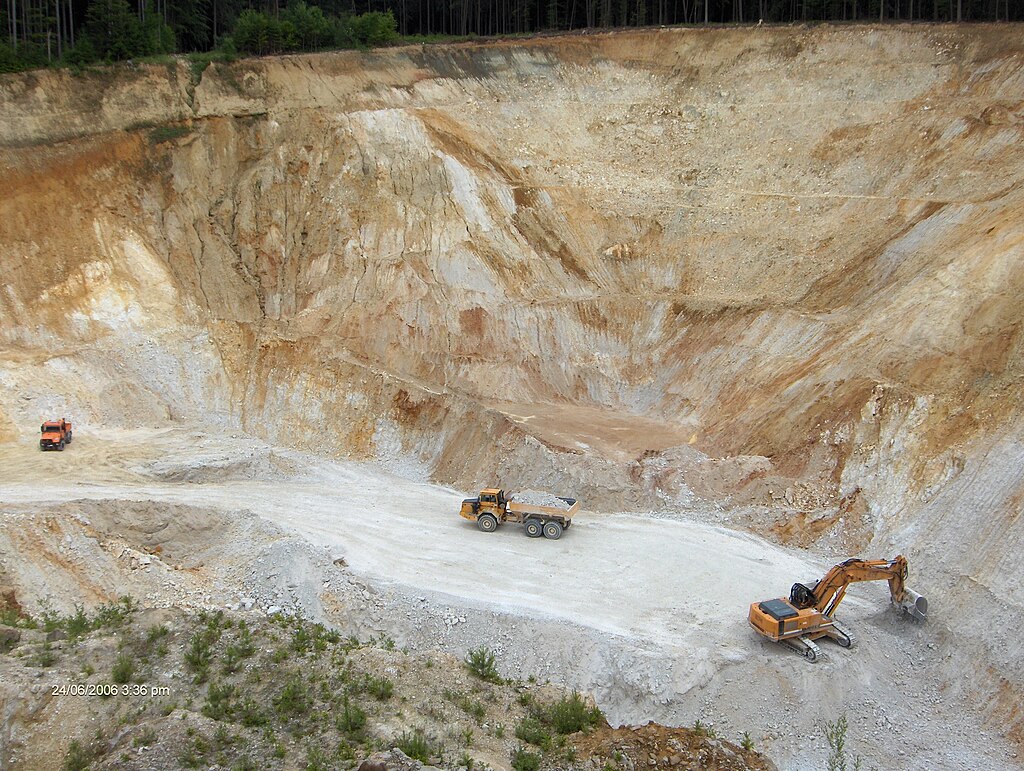
In October, the Kachin Independence Army (KIA), an ethnic rebel group in northern Myanmar, seized control of the country’s rare-earth mining belt, disrupting global supply chains and challenging the military junta and China’s influence. Kachin mines produce nearly half of the world’s heavy rare earths—key components in electric vehicles and wind turbines. Since the takeover, Chinese imports from Myanmar plummeted 89% year-over-year in February, according to customs data.
The KIA, fighting for autonomy for the Kachin minority, aims to use rare earths as political leverage, particularly against China, which backs the junta and has heavily invested in Kachin mining. The rebels have imposed a 20% tax on mostly Chinese-operated mines, rendering operations unprofitable and halting exports. Terbium oxide prices surged 21.9% to 6,550 yuan/kg, while dysprosium oxide dipped slightly.
China’s hold on Myanmar’s rare earths is slipping, and India has shown growing interest. India’s state-owned IREL sent officials to Kachin in late 2024, exploring rare earth investment opportunities. However, infrastructure challenges and India’s limited refining capabilities remain barriers.
Beijing risks losing access to a $1.4 billion rare earth market unless it acknowledges the KIA’s control. The rebels currently allow limited exports of existing stockpiles but need Chinese expertise to resume full-scale mining. Still, if China remains uncooperative, KIA may turn to India as an alternative, despite logistical difficulties.
The KIA’s move has reshaped rare earth dynamics, adding volatility to global markets and forcing major players to rethink sourcing strategies. As Myanmar’s civil war intensifies, the fight over rare earths is becoming a strategic geopolitical and economic battleground.