The threat of an asteroid wiping out a major city has always been one of the fears of humanity. After all, it’s this very threat that put an end to the existence of dinosaurs millions of years ago.
Fortunately, with humanity progressing at an accelerated rate, we’re not as helpless as Earth’s previous apex predators. However, we aren’t fully capable of dealing with an asteroid threat, either.
Indeed, even Earth’s asteroid detection capabilities are still wanting and need some serious upgrade. Ideally, spotting the incoming threat years before impact is the best possible scenario as it would give world leaders the necessary time to plan ahead.
Asteroid detection project to cos millions of dollars
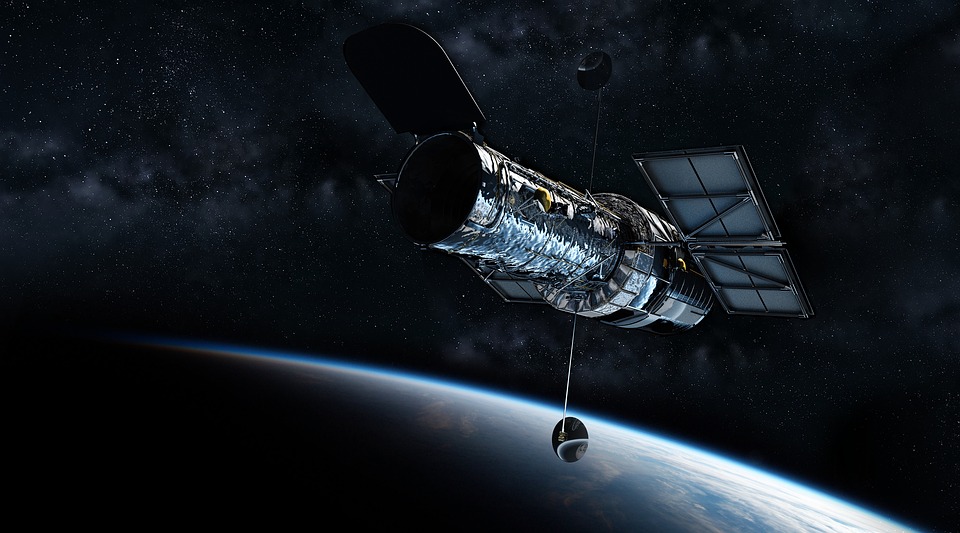
This is why NASA will be launching the NEO Surveillance Mission in 2025 that will improve Earth’s asteroid detection capabilities by a significant margin, Spaceflight Now reported. The endeavor will cost between $500 and $600 million, which will place a massive infrared telescope in space.
While we already have several observatories that can spot oncoming asteroids, there are several factors that can limit its effectiveness, including weather, atmospheric turbulence, scattering from moonlight, and atmospheric attenuation, a NASA report read. Putting the telescope in space, however, would eliminate these restrictions. It will also be used in conjunction with ground-based telescopes to increase its effectiveness.
Proposed solutions in dealing with killer asteroids
After identifying a threat, NASA will then implement a series of measures to deal with the asteroid. The space agency already said that going nuclear is the best way to go, estimating its effectiveness to be 10 to 100 times more potent than other methods.
The idea here is to either detonate the bomb on the surface of the asteroid that could theoretically melt some of its surfaces while the impact changes the trajectory of the space rock. The problem is that it could also fragment the asteroid that would shower a city with deadly debris, Space reported.
Another proposed solution is to launch multiple space crafts and have it block the asteroid’s path, causing it to slow down. Arming these shuttles with nuclear weapons would also be ideal to act as a sort of alternative means. Meanwhile, other space vessels could monitor the asteroid’s trajectory to determine how much force will be needed to nudge it off its path.
Needless to say that all of these aren’t full-proof methods. But by combining several of them, humanity can at least defend itself before the inevitable occurs. With the OK 2019 asteroid nearly colliding with Earth just months prior, NASA’s renewed interest in bolstering Earth’s space defense program is comforting news indeed. Hopefully, the program doesn’t encounter problems in the future as it’s imperative that NASA achieve its current goal as soon as possible.