


 Blue Origin New Glenn Explosion Could Delay Launch Operations Until 2028
  Tabletop particle accelerator could transform medicine and materials science
  Is space worth the cost? Accounting experts say its value can’t be found in spreadsheets
  NASA Resumes Cygnus XL Cargo Docking with Space Station After Software Fix
  NASA Artemis II: First Crewed Moon Mission Since Apollo Takes Four Astronauts on 10-Day Lunar Journey
  FDA Pilot Program Eases Rules for Nicotine Pouch Makers
  SpaceX Prioritizes Moon Mission Before Mars as Starship Development Accelerates
  Trump Administration Releases New UFO Files and Apollo Mission Records


 Add as a preferred source on Google
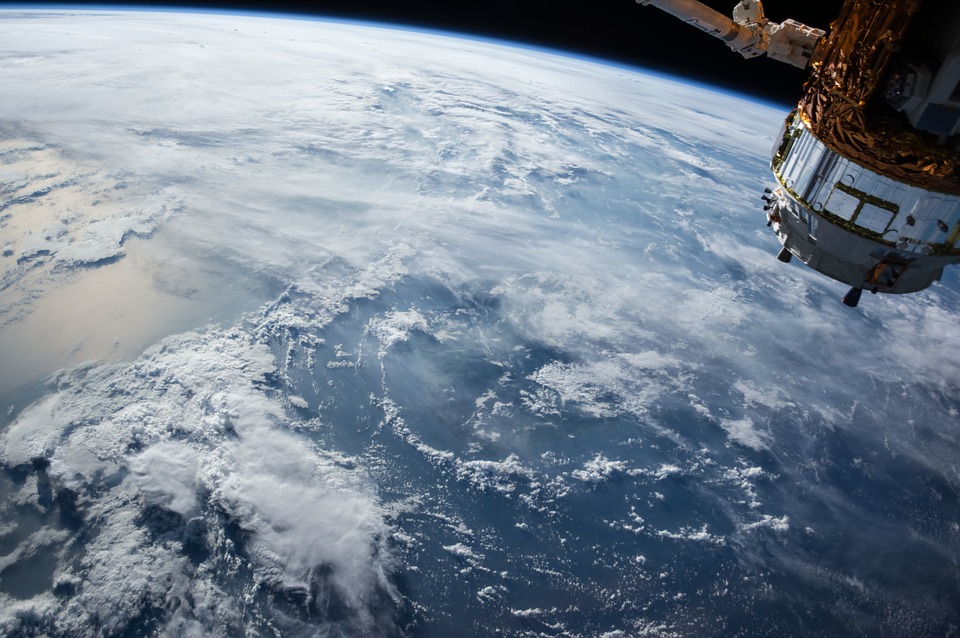
A handful of astronauts, including NASA’s own, are currently stationed in the International Space Station to conduct experiments beyond Earth. The agency was recently able to transport some new, state of the art equipment to the ISS, among the equipment being a new toilet.
Last week, a spacecraft named Cygnus that was launched from NASA affiliate Northrop Gunman was able to reach the International Space Station. The unmanned spacecraft carried a number of equipment that the astronauts aboard the ISS were going to use. Some of the equipment included science experiments such as tests for possible cancer treatments to which NASA revealed that the astronauts will be testing how cancer cells do in microgravity, noting the possibility of creating a breakthrough for a possible cure. There was also a new toilet for the crew to use, which cost NASA a steep $23 million to develop.
The new toilet, according to NASA, will help astronauts put more focus on the experiments needed to be conducted on the space station than on waste management.
“The Universal Waste Management System (UWMS) demonstrates a compact toilet and the Urine Transfer System (UTS) that further automates waste management and storage. Automated emptying of backup storage allows simultaneous use of both toilets on the space station, saving crew member time. A more reliable waste disposal method makes things easier for the crew and allows them to focus on other activities such as research,” said NASA.
The agency noted that because the new toilet is more compact, it will allow expansion for more people allowed aboard the ISS for future missions.
Delivering new equipment was not the only thing NASA has had to tackle recently, as the agency finally found the source of the air leak on the ISS. The air leak was first detected a little over a year ago. NASA astronaut Chris Cassidy and ROCOSMOS astronauts Anatoly Ivanishin and Ivan Vagner were alerted by ground control about the source of the air leak, which appeared to be growing.
They eventually found the air leak in the Russian module of the station and NASA has confirmed that the leak has stopped growing as of late. The leak will not pose a threat to the lives of the crew aboard the ISS. The agency found that the leak only appeared to grow because of the change in temperature, but it stayed the same.







