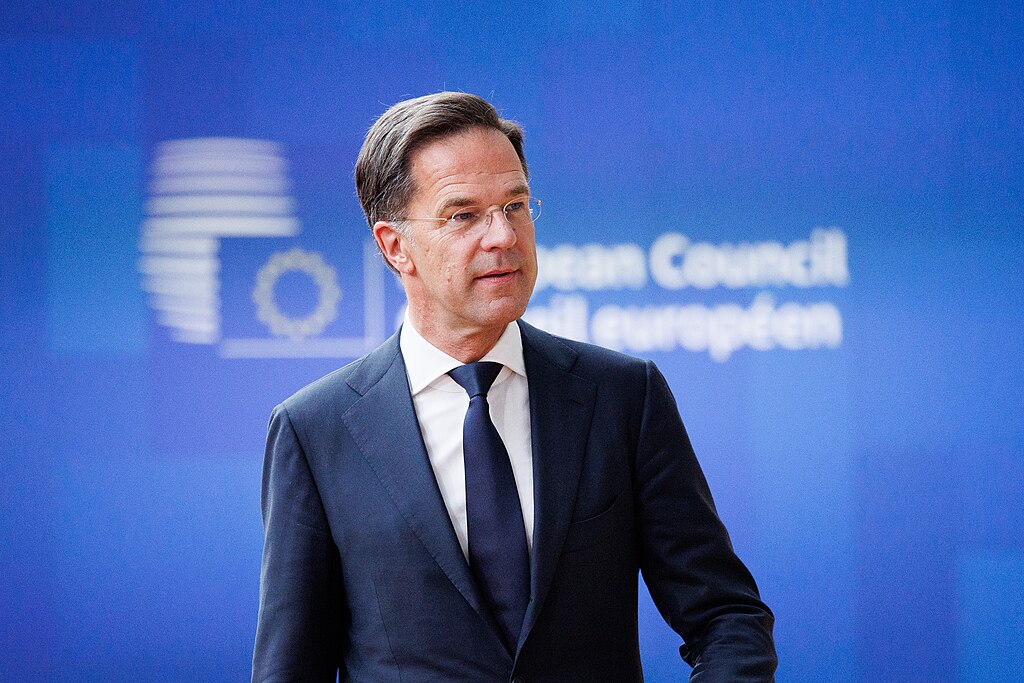
NATO Secretary General Mark Rutte has confirmed that Arctic security and Greenland were key topics in recent discussions with U.S. President Donald Trump at the World Economic Forum in Davos, reflecting growing geopolitical tensions involving Russia and China in the Arctic region. The talks underscore NATO’s increasing focus on safeguarding the Arctic as climate change opens new shipping routes and economic opportunities, heightening strategic competition.
Trump has repeatedly expressed interest in acquiring Greenland, citing U.S. national security interests. While these ambitions have strained relations within the NATO alliance, Trump recently ruled out the use of force and suggested a diplomatic deal could be possible following talks with Rutte. Greenland remains a Danish overseas territory, and its strategic location makes it central to Arctic defense planning.
Rutte described his conversation with Trump as “very good,” emphasizing the need for collective NATO action to protect Arctic security. This includes not only Greenland but also the seven NATO member states with territory in the Arctic. According to Rutte, a key priority is preventing Russia and China from gaining economic or military access to Greenland, an issue now being addressed through ongoing diplomatic “workstreams” involving the United States, Denmark, and Greenland.
China has strongly rejected accusations that it poses a military threat in the Arctic. Beijing maintains that its Arctic activities, including scientific research and commercial shipping, comply with international law. Chinese state media have criticized Western countries for exaggerating China’s intentions, noting that China has not established any military presence in the Arctic.
Despite these assurances, concerns persist. China has expanded Arctic shipping routes to Europe, including a landmark voyage by a Chinese container ship last October that significantly reduced delivery times. Meanwhile, security tensions escalated in July 2024 when the United States and Canada scrambled fighter jets after Chinese and Russian nuclear-capable bombers conducted a joint patrol near Alaska.
As NATO navigates internal disagreements and external pressures, Arctic defense, Greenland’s strategic role, and the actions of Russia and China are set to remain central issues shaping transatlantic security discussions.