


 Trump Rejects Calls for Tougher AI Regulation
  Rodrigo Duterte Makes First Public Appearance at ICC in 18 Months
  Banking scandal rocks Brazil’s politics and the country’s presidential election in October
  Australia Defends Social Media Algorithm Law Amid US Concerns
  U.S. Probes Apex Logistics Over Nvidia AI Chip Shipments to China
  Philippines Holds Historic Bangsamoro Election Amid Tight Security
  Takaichi-Backed Koja Wins Okinawa Governor Race
  New Zealand Labour Backs Social Media Ban for Under-16s
  South Korea’s Cho Hyun to Meet Rubio in Washington
  FDA Weighs Safety Standards for Psychedelic Therapies
  Texas Republicans Turn Against AI Data Centers as Election Backlash Grows
  US Judge Dismisses Imran Ahmed Deportation Lawsuit
  US Bans Canadian Alcohol, Motorcycles as Trade War Escalates
  Synthetic data could ease people’s concerns about privacy breaches. But who gets to create it?
  Saudi Arabia Shuts East-West Oil Pipeline After Drone Attack
  US Immigration Arrests Surge as Deportations Lag Behind
  Who should own the knowledge that underpins AI technology?


 Add as a preferred source on Google
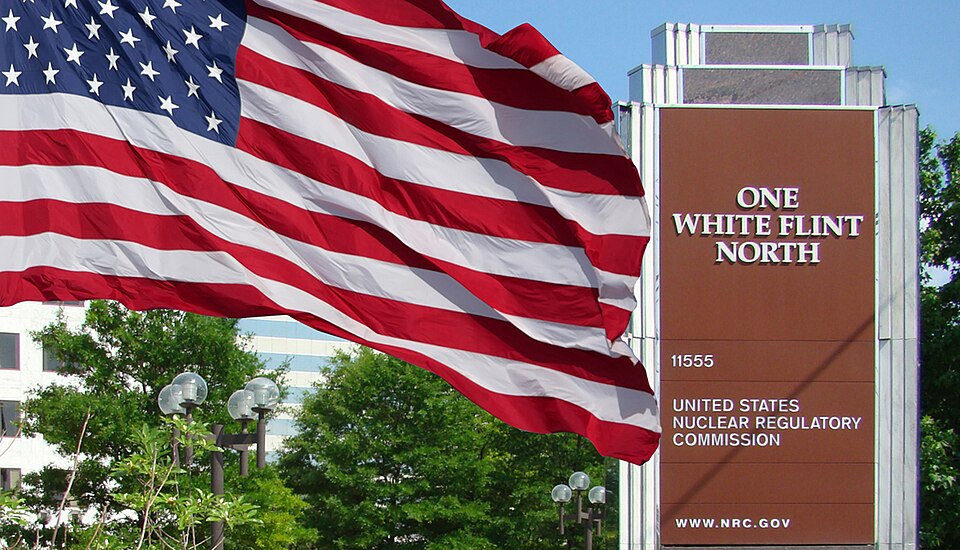
The U.S. Nuclear Regulatory Commission (NRC) on Wednesday unveiled a proposal to revise long-standing radiation protection rules, a move that aligns with the Trump administration’s broader strategy to accelerate nuclear energy development, streamline regulations, and lower operating costs for the industry.
The proposed rule would replace the existing radiation protection principle known as As Low as Reasonably Achievable (ALARA) with a system based on objective radiation dose limits. The NRC said the changes are designed to improve regulatory clarity while maintaining strong safety standards for workers and the public.
For years, the nuclear industry has argued that the ALARA framework is closely tied to the Linear No-Threshold (LNT) model, which assumes that any level of radiation exposure carries some risk of causing cancer. Industry representatives have maintained that complying with ALARA often requires costly and time-consuming procedures that may not provide meaningful additional safety benefits.
Speaking to reporters, NRC Chairman Ho Nieh emphasized that the proposal is intended to simplify regulations rather than weaken them.
“This rulemaking is raising the bar on clarity in our regulations,” Nieh said, adding that the agency is “not lowering the bar on our safety standards.”
Under the proposal, radiation management would follow a more risk-based and graded approach, taking into account operational conditions and the level of potential exposure. The revised framework would also allow nuclear power plant operators to adopt modern techniques and technologies for assessing radiation doses affecting plant workers and nearby communities.
Supporters of the proposal argue that modernizing radiation regulations could reduce administrative burdens, improve operational efficiency, and make it easier to develop new nuclear projects while maintaining public health protections.
The proposed rule represents another milestone in President Donald Trump’s effort to revitalize the U.S. nuclear energy sector. Earlier in 2025, Trump signed executive orders aimed at accelerating reactor licensing, reforming the NRC, and expanding domestic nuclear power production.
Those executive actions also instructed the Departments of Energy and Defense to coordinate the construction of nuclear reactors on federal land, part of a broader strategy to strengthen U.S. energy security and increase electricity generation.
The administration has set an ambitious goal of quadrupling U.S. nuclear power capacity by 2050. Officials argue that expanding nuclear generation will be essential to meeting rapidly growing electricity demand driven by artificial intelligence data centers, electric vehicles, cryptocurrency mining, and other energy-intensive technologies.
If adopted, the NRC’s proposed changes could significantly reshape radiation safety regulations while supporting faster deployment of advanced nuclear reactors across the United States, reinforcing nuclear energy’s role in the nation’s long-term clean energy and economic strategy.







