


 Gaza Olive Harvest Collapses as War Destroys Farmland
  Flavio Bolsonaro Backs Brazil’s 40-Hour Workweek Reform Ahead of Runoff
  US Recalls Nicaragua Envoy After Ambassador Rejection
  UN Urges Talks on Lebanon Peacekeeping Mission Extension
  MI5 Warns of Rising Iran, Russia Threats and AI Bioweapon Risks
  US Justice Department Drops Prosecution of Ex-CIA Analyst Sue Mi Terry
  Elon Musk Donates $366 Million to 2026 US Midterms
  IMF Warns US Debt Crisis Needs Fiscal Action, Urges China to Boost Consumption
  Zelenskiy Says Ukraine Received No Warning Before Russian Missile Attack
  Trump Warns Houthis Over Attacks, Considers Erdogan Intervention
  Container Ship Sinks in Strait of Hormuz as Iran Attacks Escalate
  Zelenskiy Seeks New US Talks to Revive Ukraine-Russia Peace Negotiations
  China Warns Taiwan Over South China Sea Coast Guard Incident
  Trump Confirms US Intelligence Sharing With Ukraine Amid Russian Strikes
  US Supreme Court Denies Release of Anti-ICE Activist Kyle Wagner
  Trump Announces Massive Oil and Mineral Exploration Plans in Greenland


 Add as a preferred source on Google
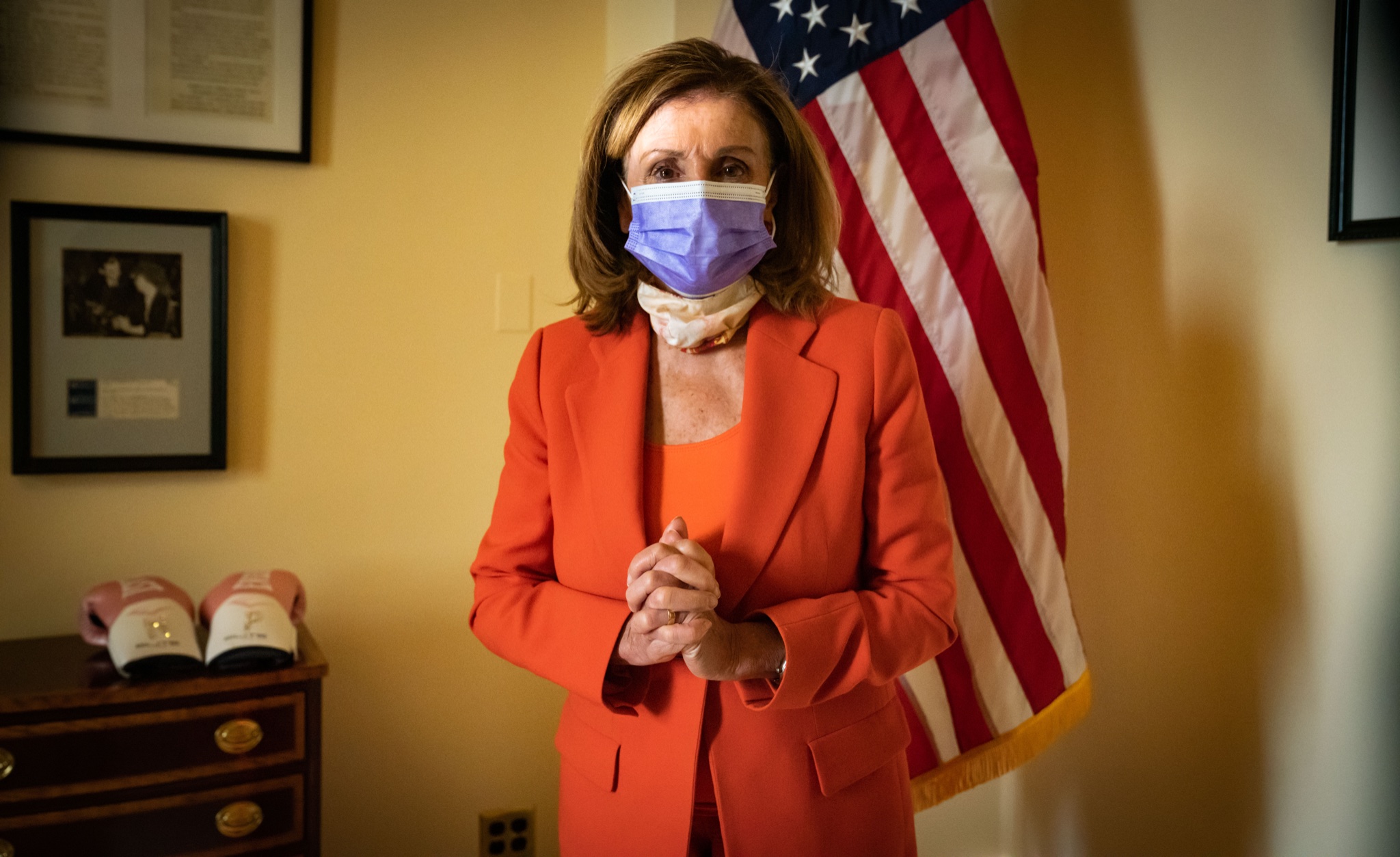
With the House having already passed the sweeping $1.9 trillion COVID-19 relief bill, the Senate is expected to make sure it is passed. House Speaker Nancy Pelosi’s office confirmed this week that two highly-criticized projects included in the bill would be scrapped out.
Pelosi’s office confirmed to CNN this week that two projects would be cut from the sweeping COVID-19 relief bill that has faced opposition from GOP lawmakers. The original bill that was passed by the House last weekend included an allocation of $1.425 billion in funds for transit rail capital projects such as the extension of the Bay Area Rapid Transit line under the $30 billion aid for public transportation in the relief package. The original bill also included $1.5 million in funding for the Seaway International Bridge in New York. Both projects were ruled against by the Senate Parliamentarian, citing that it was part of a pilot project and unrelated to the COVID-19 relief package.
According to people familiar with the matter, the request to include transportation in the COVID-19 relief bill was originally made by the Transportation Department under the Trump administration in 2020. Now-Senate Majority Leader Chuck Schumer was also not aware of this inclusion until it was reported. Both projects were cited by GOP lawmakers as examples of projects that would benefit the home states and districts of Democratic Representatives and would not be related to COVID-19 relief. It should be noted that the BART extension is not within the California district Pelosi represents.
Pelosi’s spokesman Drew Hammill said that the pandemic had an effect on the transportation system and the jobs associated with transportation. Hammill added that it remains to be seen how Republicans would justify their opposition to the bill now that the two projects were ruled out.
In other related news, House Democrats are preparing to pass a sweeping voting rights ethics bill as a response to the efforts being made by state Republicans to advance voting restrictions in their states. House Resolution 1 would restrict partisan gerrymandering of congressional districts as well as eliminate hurdles to voting and create transparency to the campaign finance system that would allow wealthy donors to anonymously back political causes.







