


 Extreme heat, flooding, wildfires – Colorado’s formerly incarcerated people on the hazards they faced behind bars
  Oil Prices Rise as Hormuz Risks Offset IEA Stock Release
  We combed through old botanical surveys to track how plants on Australia’s islands are changing
  JPMorgan CEO Jamie Dimon Warns Mythos AI Raises Cyber Risk Tenfold
  Wall Street Falls as Fed Minutes Signal Another Rate Hike
  Asian Currencies Steady as Dollar Holds Near 18-Month High
  RBI Raises Repo Rate to 5.50% in Hawkish Shift on Inflation Risks
  Asian Stocks Rise as Nasdaq Record Offsets Bond Yield Pressure
  Australia Consumer Confidence Plunges as RBA Rate Hike Hits Households
  Dollar Retreats From 18-Month High as Euro Rebounds
  GesiaPlatform Launches Carbon-Neutral Lifestyle App ‘Net Zero Heroes’
  SpaceX Seeks $40 Billion for Nvidia AI Chips
  Gold Prices Fall as Fed Signals Another Rate Hike
  How America courted increasingly destructive wildfires − and what that means for protecting homes today
  Rise of the Zombie Bugs takes readers on a jaw-dropping tour of the parasite world


 Add as a preferred source on Google
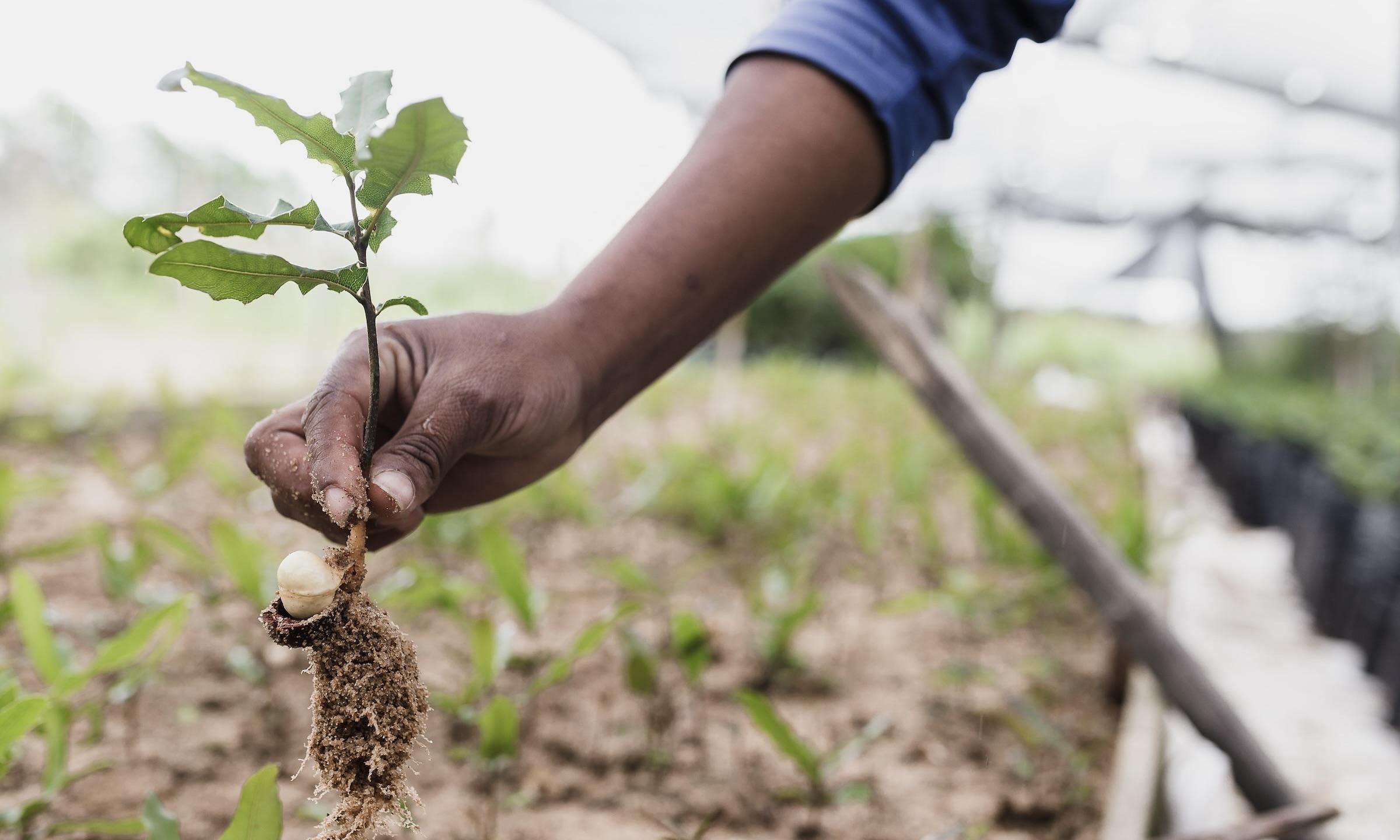
In a significant environmental stride, Nestlé Malaysia has planted the first million trees under its ambitious Project RELeaf, aiming for a total of three million. The milestone coincides with a new partnership with TDM Plantation to contribute additional land, boosting reforestation efforts and enhancing Malaysia's sustainability goals.
As part of this exciting new collaboration, TDM Plantation has pledged to contribute 514 hectares of land within its estates to enable Nestlé Malaysia to plant an additional 350,000 trees. This will bring Nestlé's Project RELeaf goal closer to fruition, aiming to plant three million trees across Malaysia to restore the country's forest ecosystems, protect wildlife, and safeguard critical water supplies.
Nestlé Malaysia's impressive progress in reforestation reflects positive collaboration with multiple stakeholders, including ongoing partners like Sime Darby Plantation Berhad. Regarding sustainability, Nestlé's nature-based Forest Positive strategy aligned well with PRoject RELeaf. This strategy targets the impact of climate change and helps lower carbon emissions by preserving Malaysia's forests and rich biodiversity. The project further enriches the sustainable livelihoods of communities as well. Nestlé has set an impressive goal of achieving 700,000 tonnes of carbon removal in ten years.
Mr. Juan Aranols, Chief Executive Officer of Nestlé (Malaysia) Berhad, made the following statement: "After the temporary interruption of our planting activities during COVID lockdowns, the project is now back to full steam. Following this milestone of one million trees planted today, we are in a good direction to cross the second million within the next 12 months, on track towards 3 million by early 2025. We hope that our partnership with TDMP will also serve as an inspiration for others to join us in this journey towards a greener, more sustainable future for Malaysia."
Mr. Hamdan bin Ibrahim, Chief Executive Officer of TDMP, also commented positively on the venture, calling it a commendable initiative driven by Nestlé Malaysia.
Meanwhile, Nestlé's decision to discontinue the production of Fantales has left lolly lovers in Australia feeling gutted. According to the company, the move was prompted by declining sales and the need for significant upgrades at its Melbourne confectionery factory, where Fantales are manufactured.
While this announcement may come as sad news for many, Nestlé is committed to ensuring that its products meet the highest quality and performance standards. Andrew Lawrey, General Manager of Nestlé Oceania Confectionery, expressed his understanding of this decision's impact and affirmed the company's commitment to its customers.
Photo: Vitor Monthay/Unsplash







