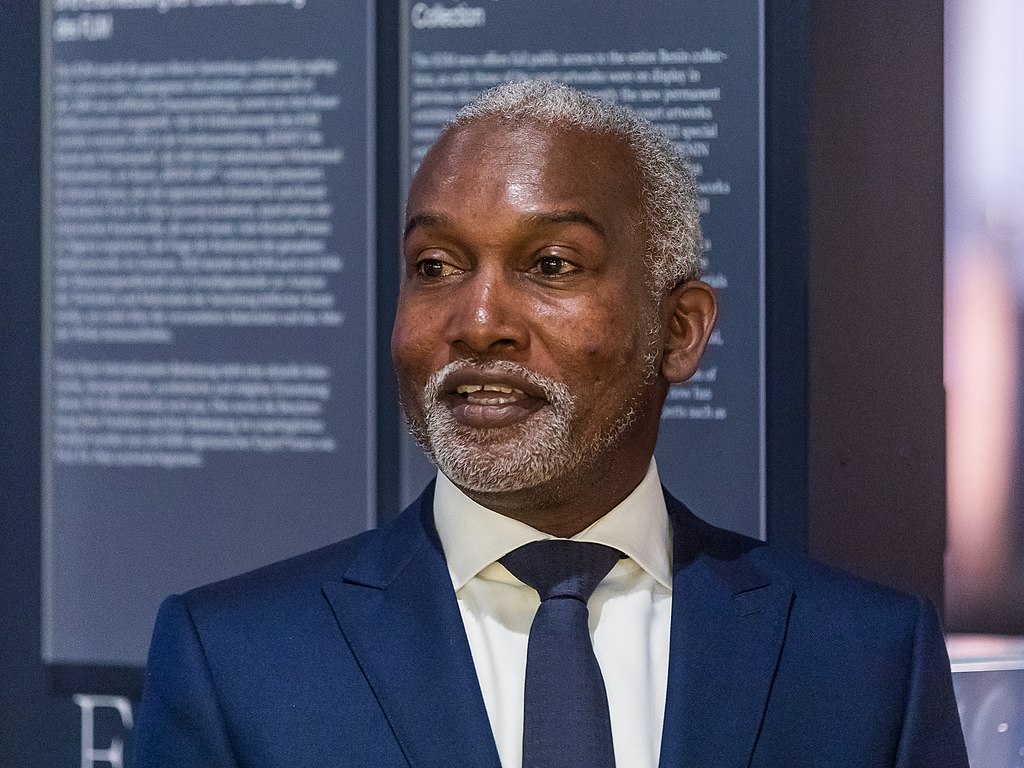
Nigeria has firmly rejected a request from the United States to accept deported Venezuelans, including former prisoners, citing internal challenges and population strain. Nigerian Foreign Minister Yusuf Tuggar disclosed the development during an interview with Channels TV while attending a BRICS summit in Brazil.
According to Tuggar, the Biden administration is placing "considerable pressure" on African nations to take in migrants deported from the U.S., including Venezuelans with criminal records. "It will be difficult for a country like Nigeria to accept Venezuelan prisoners into Nigeria. We have enough problems of our own," he stated, emphasizing Nigeria’s population of over 230 million and existing economic and security challenges.
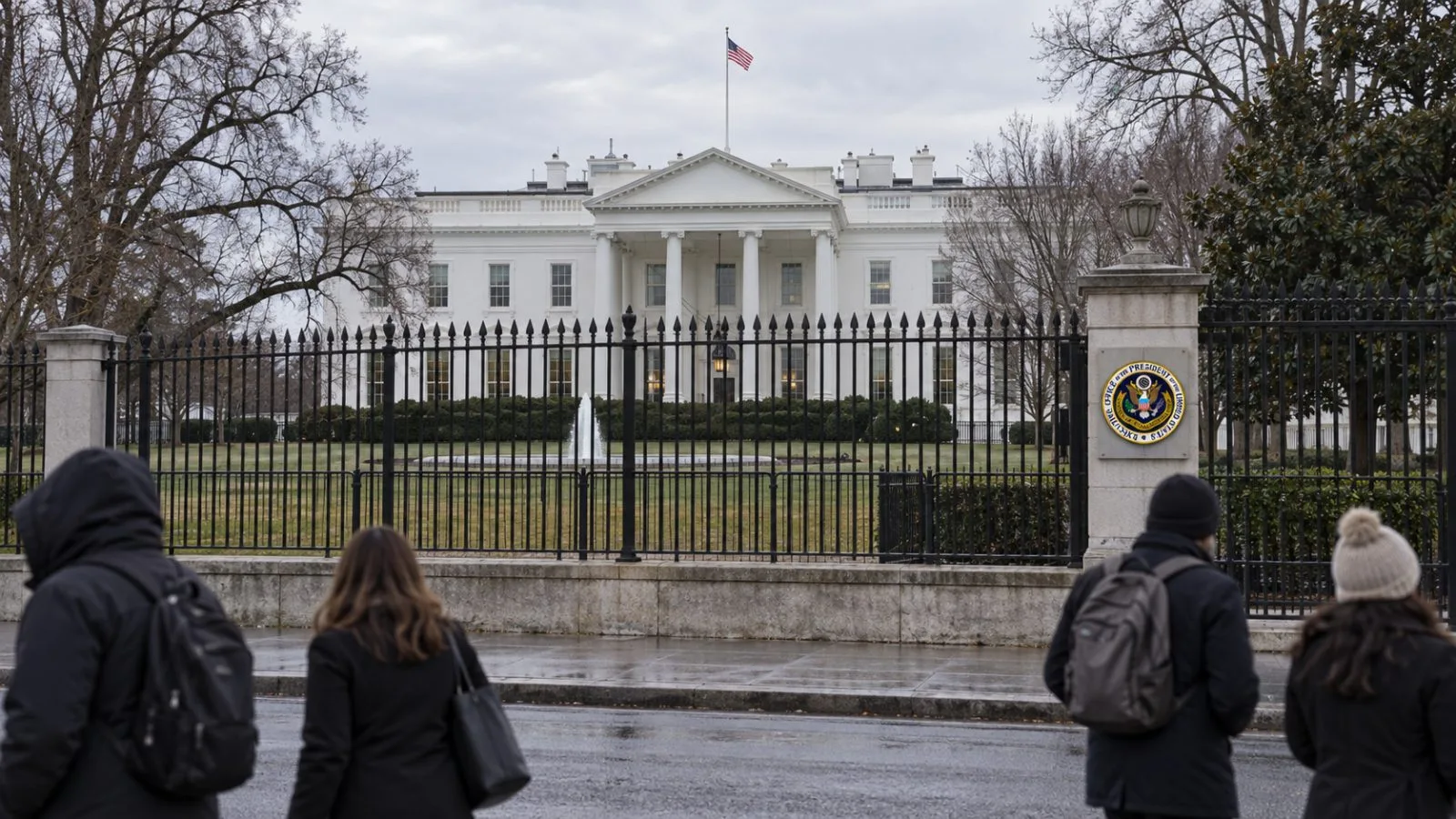
This diplomatic tension follows a series of meetings at the White House, where U.S. President Donald Trump hosted leaders from Liberia, Senegal, Guinea-Bissau, Mauritania, and Gabon. During these meetings, the administration proposed that African countries serve as third-party hosts for migrants facing deportation from the U.S. due to delays or complications in returning them to their home nations.
An internal U.S. State Department memo, obtained by The Wall Street Journal, reportedly asked African governments to agree to the "dignified, safe, and timely transfer" of third-country nationals from U.S. custody. However, the Nigerian government made it clear that such arrangements are not feasible.
The White House has yet to comment on Nigeria’s stance or the broader African response. As Washington accelerates deportation efforts, resistance from key African countries may pose challenges to the administration's strategy to shift migrant responsibilities to third-party nations. The move also raises questions about international cooperation on migration and human rights obligations amid rising global displacement pressures.