


 OpenAI, Anthropic Back Mandatory AI Breach Reporting in Australia
  Rapidus Seeks Chip Customers as Japan Pushes 2nm Semiconductor Revival
  Trump Plans Diesel Tax Relief as Fuel Prices Hit Record Highs
  Flavio Bolsonaro, Lula Head to Brazil Election Runoff
  Vance Demands Iran Cut Nuclear Enrichment to End War
  Zelenskiy Warns Russia Is Preparing Massive Attack on Ukraine
  India-US Trade Deal Talks Hit Plateau, Sitharaman Says
  Flavio Bolsonaro Surges as Family Scores Brazil Election Comeback
  Russian Bombs Kill Six, Injure Nearly 60 in Kharkiv
  Ukraine to Intensify Strikes on Russian Oil Refineries
  Trump Envoy Meets Sudan Army Chief in Egypt
  Trump Gaza Peace Plan Stalls as Israel Retains Control
  Becton Dickinson to Invest $3 Billion in U.S. Medical Manufacturing
  Iran Tanker Attacks Surge as Hormuz Oil Flows Near Prewar Levels
  Trump Offers US Help to Russia After Plague Lab Worker Dies
  New York Declares Measles Disaster Emergency as Cases Surge
  Takaichi Pledges to Control Japan Bond Issuance


 Add as a preferred source on Google
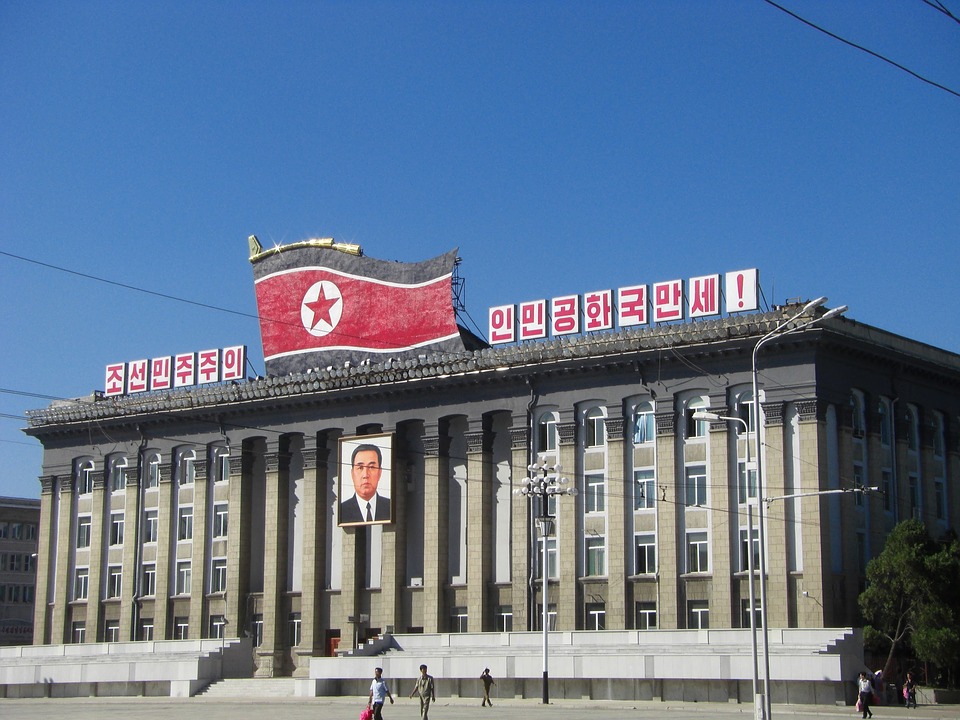
North Korea recently tested what many believed was an intercontinental ballistic missile. Pyongyang has confirmed the recent test as it prepares for what local media has described being a confrontation with Washington.
North Korean state media reported Friday last week that the country has carried out its latest test-fire of its biggest intercontinental ballistic missile or ICBM under orders of leader Kim Jong-un as it bolsters its defenses in preparation for a confrontation with the US. Kim oversaw the recent test-fire of its Hwasong-17 ICBM, described as a new type of its kind.
State media reported that the missile was launched from Pyongyang International Airport, traveled to a maximum altitude of 6,248 kilometers, and flew with a distance of 1,090 kilometers in a flight that lasted 67 minutes before it landed into the Sea of Japan.
The “daily-escalating military tension in and around the Korean peninsula” along with the “inevitability of the long-standing confrontation with the US imperialists accompanied by the danger of a nuclear war” was what brought Kim to order a test launch for the Hwasong-17, according to KCNA.
“The emergence of the new strategic weapon of the DPRK would make the whole world clearly aware of the power of our strategic armed forces once again,” said the North Korean leader, according to the state media outlet.
“Any forces should be made to be well aware of the fact that they will have to pay a very dear price before daring to attempt to infringe upon the security of our country.”
The first fully-fledged test-fire of an ICBM since 2017 was immediately condemned by South Korea, Japan, the US. UN Secretary-General Antonio Guterres also condemned the launch, saying that it was violating the UN Security Council Resolutions.
Previously, North Korea’s ambassador to Russia met with the country’s deputy foreign minister Igor Morgulov to discuss developing bilateral relations between Russia and North Korea, according to Reuters. The meeting comes amidst the ongoing invasion of Russia into Ukraine.
Russia faces further isolation as many countries, especially from the West, have joined in imposing sweeping sanctions on its economy and other sectors, including targeting its wealthiest and their family members.







