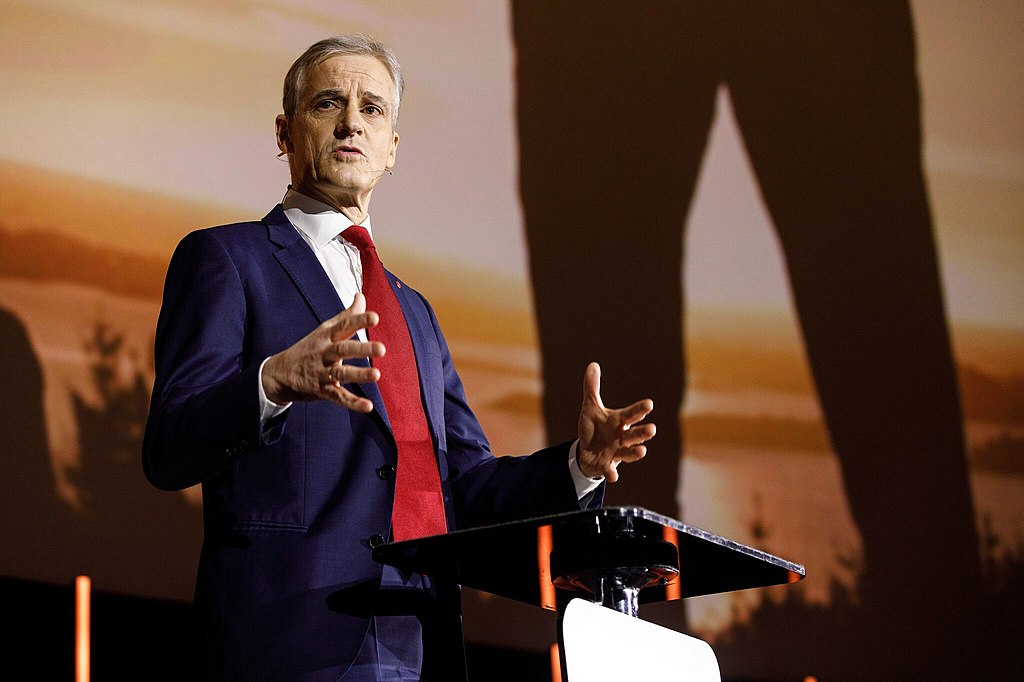
Norway heads to the polls on Monday in a parliamentary election shaped by rising living costs, global conflicts, and debates over the nation’s vast oil wealth. Prime Minister Jonas Gahr Stoere’s Labour Party, leading a centre-left bloc, is slightly favoured to remain in power, though polls show a tight race.
Recent surveys suggest Labour and four smaller allies could secure 88 seats, just above the 85 needed for a majority, though down from 100 in 2021. The opposition—led by the Conservatives and the right-wing Progress Party—appears set for 81 seats, leaving the outcome within the margin of error.
Key campaign issues include inflation, taxes, and the quality of public services. The result could significantly influence Norway’s oil and gas policies, its role in European energy supply, and the management of its $2 trillion sovereign wealth fund. International challenges such as the wars in Ukraine and Gaza, and Donald Trump’s political comeback, also weigh heavily on voters’ minds.
Analysts say Labour benefits from Stoere’s reputation as a steady leader in turbulent times. Labour is polling around 27%, keeping it the largest single party. Meanwhile, the Progress Party, led by Sylvi Listhaug, has surged to about 21% with a strong anti-immigration stance, overtaking the Conservatives at 14%. However, disagreements between Listhaug and Conservative leader Erna Solberg on who should be prime minister could divide right-wing voters.
If Labour prevails, Stoere may need support from both the Greens and Communists, who could push for stricter limits on oil exploration, higher taxes for the wealthy, and increased use of the wealth fund. With at least nine parties expected to enter parliament, coalition building will be decisive in shaping Norway’s political and economic direction.