An international aid group said it hopes to have an arrangement with the Taliban authorities in Afghanistan to allow its female Afghan workers to return to work. The group hopes the arrangement could allow its female Afghan workers to return to work in the southern province of Kandahar.
Speaking to Reuters on Wednesday, the General Secretary of the Norwegian Refugee Council, Jan Egeland, said they hope to have an arrangement with the Taliban after meeting with the authorities in Kandahar, the historical birthplace of the Taliban movement and where its Supreme Leader is residing. This comes as both the United Nations and other aid groups are looking to gain exceptions following the Taliban’s ban on Afghan women from taking part in aid work which expanded to Afghan women working for the UN.
“If we can get a local interim arrangement – that we were promised in Kandahar – that is something we can use in the rest of the country,” said Egeland, who previously served as the UN aid chief from 2003 to 2006.
The Taliban administration pledged in January that they would draft a set of guidelines to allow aid groups to carry on with their operations with female staff. The spokesman for the Taliban-backed economic ministry said they will announce the new guidelines when those guidelines are made.
Egeland said that when he complained that the guidelines were taking too long, officials in Kandahar suggested an interim arrangement could be agreed upon within days to grant an exception for Afghan women to return to work.
“When this happens in the province of the supreme ruler that should be a basis for also having interim arrangements elsewhere,” said Egeland. “I hope we can now be a door opener for other organizations as well. That’s what we’re seeking.”
Previously, the Taliban appointed Maulvi Abdul Kabir, who played a key role in the 2020 Doha Agreement with the United States, to become Afghanistan’s new prime minister, a senior official told Al Jazeera. Kabir is succeeding Mullah Mohammad Hasan Akhund, who was in charge of overseeing the acting government following the West’s withdrawal from Afghanistan in 2021.
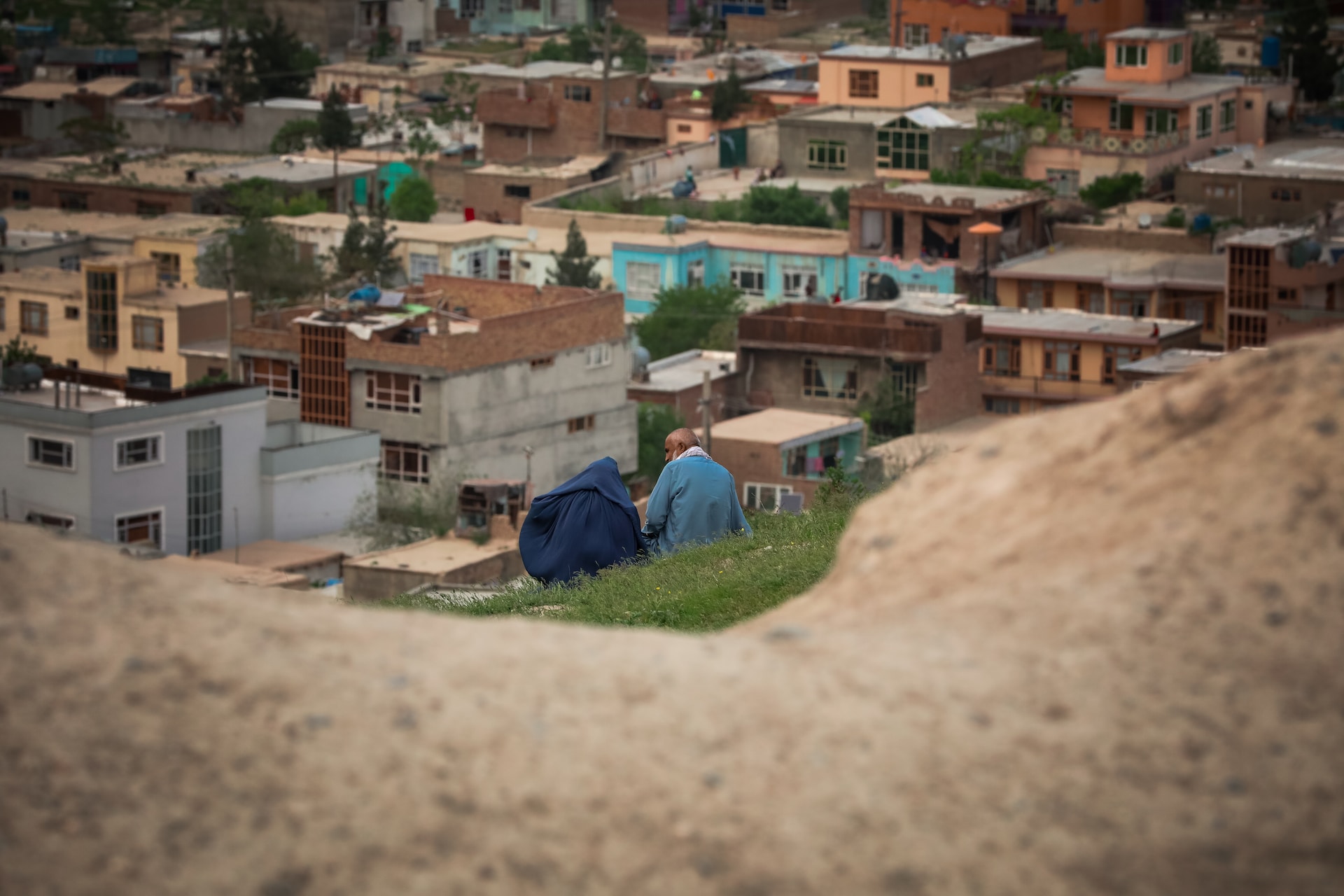
Photo: Sohaib Ghyasi/Unsplash