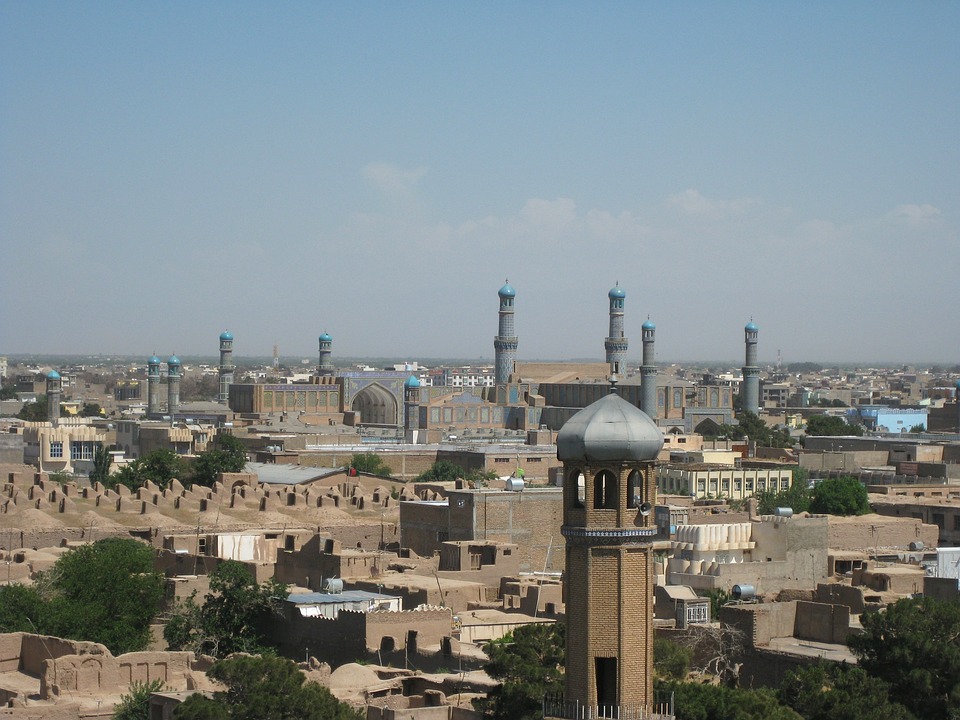
United Nations Secretary-General Antonio Guterres said the UN would stay in Afghanistan to provide aid despite the Taliban’s barring of female Afghan UN workers. However, Guterres also said that funding for Afghanistan is running out.
Speaking to reporters on Tuesday following the closed-door meeting of envoys and donors in Doha, Guterres said the UN mission would remain in Afghanistan and that there is a growing concern about Afghanistan’s stability since being under Taliban rule. Guterres also condemned the insurgent group’s ban on female aid workers, describing such a policy as a breach of human rights.
“We stay and we deliver and we are determined to seek the necessary conditions to keep delivering…participants agreed on the need for strategy of engagement,” said Guterres.
The UN chief has warned of a shortfall in financial pledges for humanitarian support, which is just over six percent funded, still below the $4.6 billion needed for a country in which most of the population is living in poverty.
Guterres also stressed that the meeting in Doha was not about formally recognizing the Taliban as Afghanistan’s government and that he was open to meeting with Taliban officials at the right time.
Pakistani Minister of State for Foreign Affairs, Hina Rabbani Khar, told Reuters in an interview following the meeting that isolating or threatening the Taliban is not a realistic approach for countries that want to help ease the humanitarian situation in Afghanistan. Khar noted that the threats made against the Taliban have only made the movement “more ideological.”
“The ordinary 40 million Afghan people…are on the receiving end of the reality that your decisions created. And we know that in the last 20 months, no one seems to have helped them very well,” said Khar.
Previously, a UN Security Council panel agreed to allow the Taliban acting foreign minister to travel to Pakistan from Afghanistan to meet with his Pakistani and Chinese counterparts. On Monday, Reuters reported that Pakistan’s UN Mission requested that Taliban acting foreign minister Amir Khan Muttaqi be allowed to travel to Pakistan from May 6 to May 9 for a meeting with the Pakistani and Chinese foreign ministers.