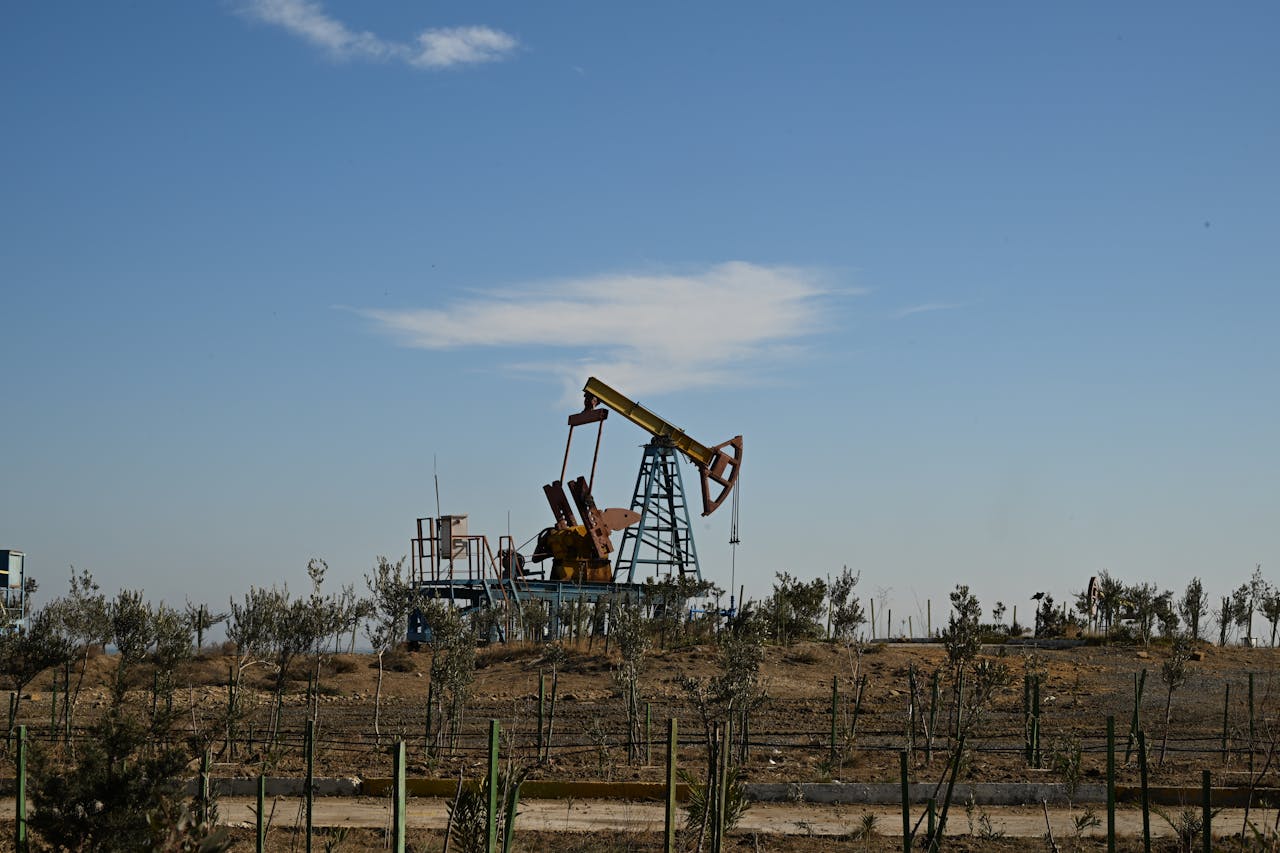
Oil prices fell about 1% on Tuesday as traders weighed fading optimism over Russia-Ukraine peace talks against renewed concerns about global oversupply. Brent crude settled 1.14% lower at $62.45 a barrel, while U.S. West Texas Intermediate dropped 1.15% to $58.64. The pullback followed gains of more than 1% for both benchmarks on Monday.
Market sentiment shifted as attention turned to diplomatic efforts in Moscow, where Russian President Vladimir Putin met with U.S. President Donald Trump’s special envoy Steve Witkoff and Jared Kushner. Analysts said expectations for a breakthrough that could ease restrictions on Russian oil exports initially supported prices, but confidence has since weakened. According to Clayton Seigle of the Center for Strategic and International Studies, any hopes for a quick resolution are likely premature, and geopolitical risks continue to threaten energy markets.
Oil traders also reacted to Putin’s sharp warnings to European powers, including threats to cut off Ukraine’s access to the sea following drone attacks on Russia’s “shadow fleet” in the Black Sea. At the same time, Putin is preparing for a visit to India to strengthen energy and defense ties, including potential expansions in Russian oil sales.
Phil Flynn of Price Futures Group noted that Russia’s mixed signals briefly boosted expectations for steady oil flows to India before Putin’s comments reignited concerns over stalled peace efforts.
Oversupply worries added further pressure, though they were partially offset by attacks on Russian infrastructure and rising tensions between the U.S. and Venezuela. Meanwhile, the Caspian Pipeline Consortium restarted shipments after a weekend drone strike, and a Russia-flagged tanker reported another attack near Turkey.
The U.S. API report showed crude, gasoline, and distillate stockpiles all rising in the week ended November 28, reinforcing fears of a growing supply glut. OPEC+ maintained its output targets for the first quarter of 2026, signaling caution as the group monitors potential market imbalances.