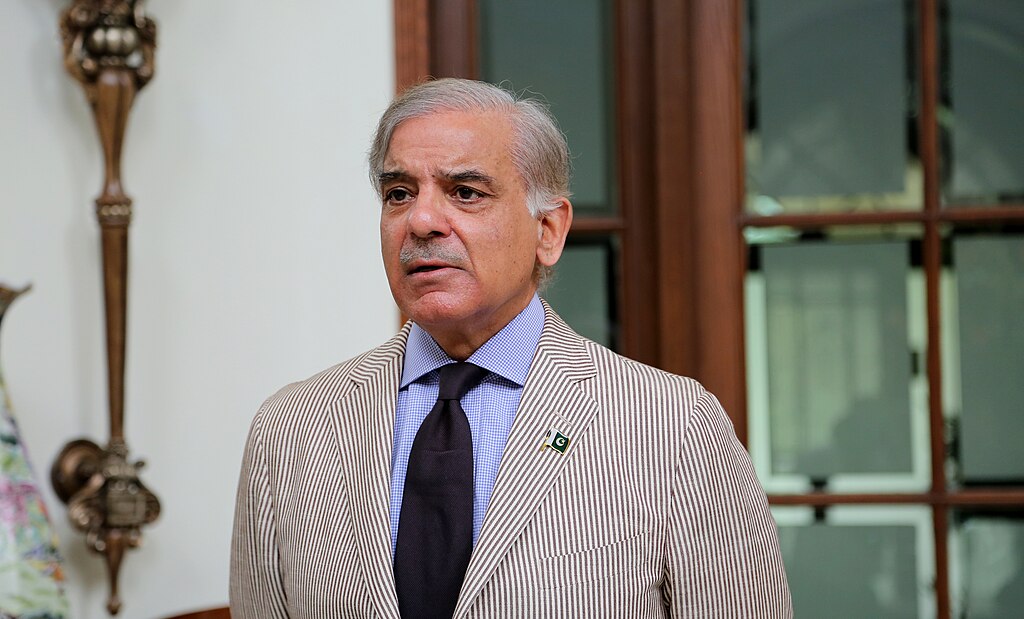
Pakistan Prime Minister Shehbaz Sharif has summoned a high-level meeting of the National Command Authority (NCA) on Saturday following Islamabad’s military strikes against Indian targets. The development comes amid heightened tensions between the two nuclear-armed neighbors after days of escalating cross-border hostilities.
The NCA, which includes top civilian and military officials, is responsible for overseeing Pakistan’s strategic policies and nuclear weapons command. The decision to convene the authority signals the seriousness of the current crisis and the potential for further escalation.
According to Pakistan’s military, the recent operation targeted multiple Indian military bases in retaliation for what Islamabad described as repeated airspace violations by Indian drones and munitions. India has denied these allegations and blamed Pakistan for initiating unprovoked attacks, deepening the diplomatic standoff.
The latest flare-up follows a deadly attack on tourists in Indian-administered Kashmir on April 22, which India attributes to Pakistan-backed militants—a claim Pakistan strongly denies. Since then, both countries have accused each other of violating ceasefire agreements, with reports of drone incursions, artillery exchanges, and civilian casualties. At least 48 people have been killed in recent clashes, raising fears of broader conflict in the region.
Analysts warn that the involvement of the NCA and public acknowledgment of military engagements mark a dangerous turning point. With both sides armed with nuclear capabilities, international observers, including the G7, have called for immediate de-escalation and direct dialogue.
As tensions mount, the global community is urging restraint and diplomacy to prevent further loss of life and regional instability. The next steps taken by Islamabad and New Delhi could significantly impact South Asia’s security landscape and global peace efforts.