


 Australia Plans New Rules Giving Users Control Over Social Media Feeds
  Nvidia-Groq AI Chip Deal Faces U.S. Antitrust Probe
  Australia Defends Social Media Algorithm Law Amid US Concerns
  Pentagon Restarts Testosterone Testing for US Troops
  FBI, Coast Guard Board Ships After Cyberattacks
  Trump Says US Army Base in Poland Talks Make Progress
  North Korea Vows to Expand Nuclear Arsenal Amid U.S.-Led Military Buildup
  ICE Agent Arrested in Minneapolis Over Venezuelan Man Shooting
  US Allies Fear Trump Could Soften Taiwan Stance in Xi Talks
  FDA Names Permanent Drug and Biologics Center Chiefs
  FCC Approves Foreign Investment in $110B Paramount-Warner Bros. Deal
  Najib Razak Granted House Arrest Until 2028
  Bessent Presses Japan on Fiscal Policy as Yen Struggles
  U.S. Imposes New Visa Restrictions Over South Africa Policies
  US Officials Meet Houthis in Oman Amid Yemen Offensive


 Add as a preferred source on Google
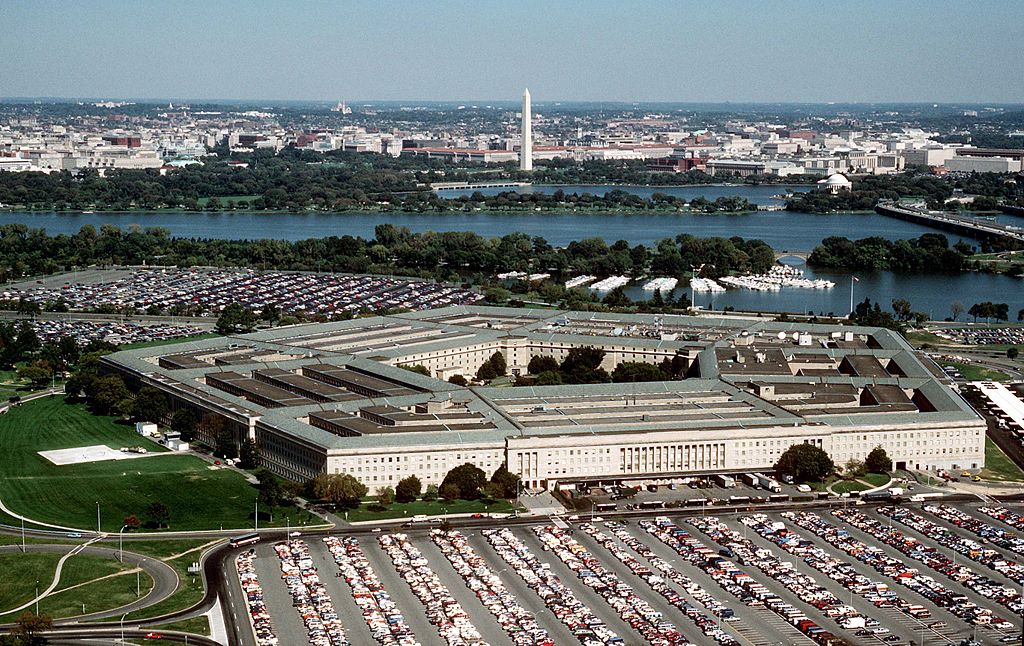
The Pentagon has implemented new restrictions limiting journalist access within its headquarters, marking a significant shift in media policy under President Donald Trump’s renewed administration. Defense Secretary Pete Hegseth announced on Friday that credentialed reporters will now need official escorts to enter most areas of the Department of Defense building in Arlington, Virginia.
The directive, effective immediately, cites the need to safeguard classified national intelligence (CSNI) and operational security. “Unauthorized disclosure of sensitive information could endanger U.S. service members,” Hegseth stated in a memo. Reporters will now require both official approval and an escort to access previously unrestricted areas.
The Pentagon Press Association criticized the move, calling it a “direct attack on press freedom,” and noted that previous administrations—both Republican and Democrat—allowed broader media access even in times of crisis, including after the 9/11 attacks.
Pentagon spokesperson Sean Parnell defended the decision, emphasizing the protection of sensitive data and personnel. In addition to access restrictions, Hegseth’s memo announced that journalists will be issued new credentials identifying them more visibly as press members. Reporters must also formally acknowledge their responsibility to safeguard sensitive information.
Since Trump's return to office in January, the administration has intensified efforts to prevent leaks, including launching internal investigations and placing several officials on administrative leave. A controversial office rotation has also forced major outlets like CNN, NBC News, and The New York Times out of Pentagon offices, making space for conservative-leaning media such as Breitbart and One America News.
The White House has also authorized polygraph testing for Homeland Security officials, warning of possible termination for those refusing tests. The Trump administration continues to underscore its zero-tolerance stance on unauthorized disclosures to the media.







