Microsoft has reportedly chosen not to respond to the European Commission's request to submit remedies to the conclusion of the regulator's preliminary review of the Xbox owner's merger with Activision-Blizzard. This follows a similar approach Microsoft took last month before the UK's Competition and Markets Authority (CMA) decided to move forward with a more in-depth inquiry.
Sources told POLITICO that the European Commission gave Microsoft a deadline by the end of Oct. 31 to provide remedies or responses to key concerns the regulators raised following its first phase of investigation into the $68.7 billion merger. The main concern, as with other regulators in different countries, is that merging Xbox's owner and Activision-Blizzard would significantly lessen competition in the gaming industry.
The European Commission was also reportedly worried that Microsoft would eventually foreclose access to major franchises, specifically "Call of Duty," for other gaming companies like Sony PlayStation to give Xbox an advantage. In these merger reviews, regulators use the term "foreclose" to essentially mean that "Call of Duty" could later be removed from PlayStation consoles and other non-Microsoft platforms.
Microsoft gaming chief Phil Spencer has addressed this matter one more time in his appearance on the Same Brain podcast, which was also published on Oct. 31. Spencer and other Microsoft executives have used different wording to assure fans and regulators publicly that "Call of Duty" will remain on PlayStation.
In this particular interview, Spencer said, "As long as there's a PlayStation out there to ship to, our intent is that we continue to ship 'Call of Duty' on PlayStation, similar to what we've done with 'Minecraft.'"
After reportedly not submitting the remedies requested by the European Commission, a Microsoft spokesperson has also told Reuters, "Sony, as the industry leader, says it is worried about Call of Duty, but we've said we are committed to making the same game available on the same day on both Xbox and PlayStation."
The European Commission is expected to officially announce its findings and decision after its first phase of inquiry on the Microsoft-Activision Blizzard merger on Nov. 8. Without providing the remedies required by the regulator, the acquisition deal will most likely enter the Commission's "Phase II Investigation." Per the EU's mergers procedures, regulators will have 90 working days (that can be extended to 15 or 20 working days) to come to a final decision. The CMA started a similar process in mid-September.
The US Federal Trade Commission is also currently reviewing the Microsoft-Activision Blizzard, and previous reports suggest it could announce its decision this month. Regulators in Australia, New Zealand, Japan, and South Korea are also investigating the transaction. The merger, meanwhile, has been approved in Saudi Arabia and Brazil.
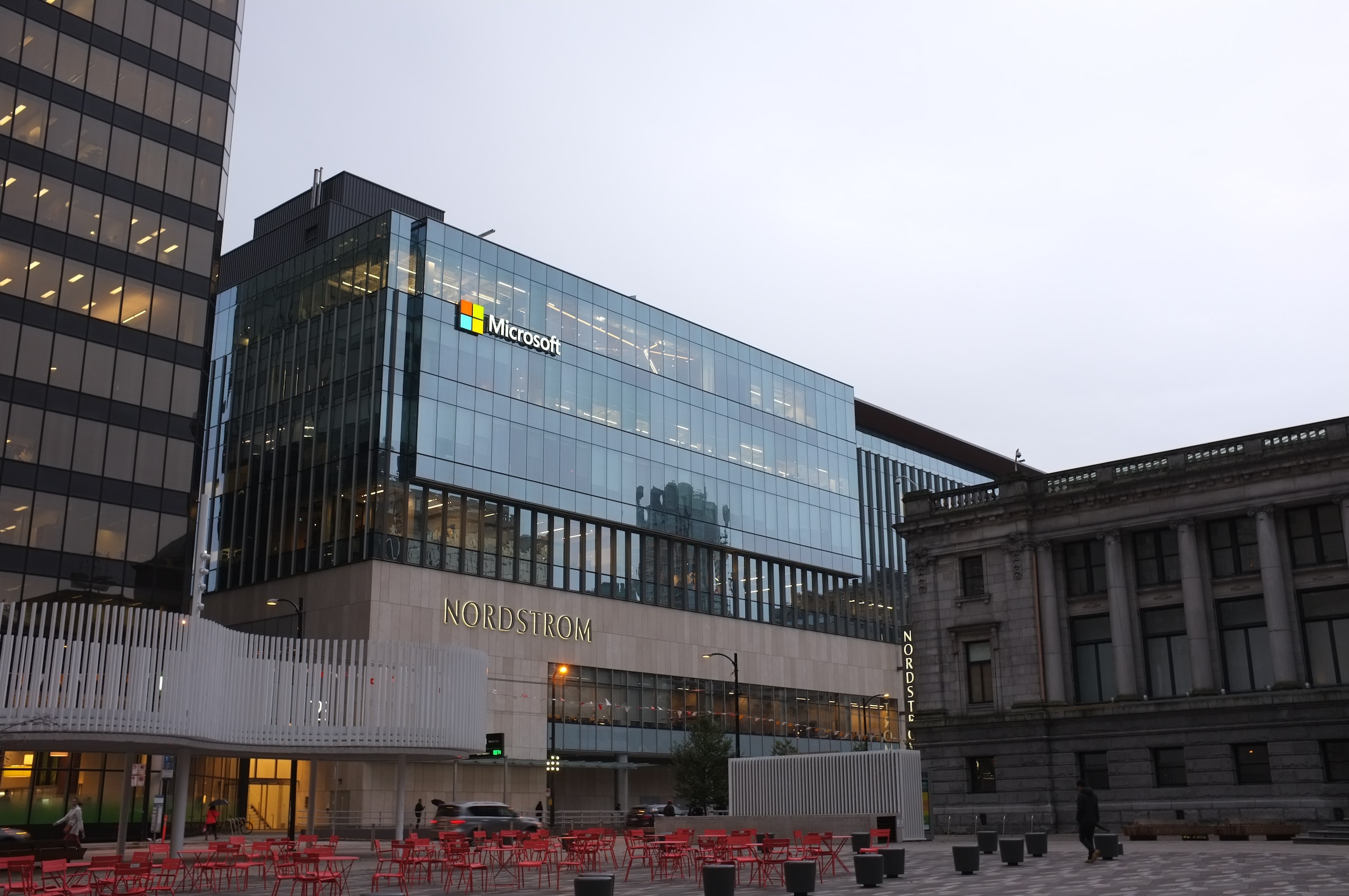
Matthew Manuel/Unsplash