


 Trump Sanctions International Criminal Court, Sparking EU Backlash
  RFK Jr. Launches Nationwide Vaccine Safety Review
  Trump Calls for Zelenskyy Replacement Amid Russian Diesel Deal
  Zelenskiy Slams US-Russia Diesel Deal as Funding War
  UK Finance Minister Healey Calls for Fiscal Discipline Amid Global Risks
  Trump Announces Russia-Ukraine Energy Ceasefire Amid U.S. Pressure on Kyiv
  Trump Buys Up to $25M in Meta Stock, Invests in SpaceX Debt
  Yandex Data Center Hit by Drone Strike as Russia-Ukraine Cyber Infrastructure Attacks Escalate
  JD Vance Questions Pentagon Plan to Livestream Fort Hood Shooter’s Execution
  Panama Declares Emergency After 7.7 Earthquake Triggers 200 Aftershocks
  Houthis Warn Saudi Airports After Deadly Riyadh Attack
  Pakistan Declares Emergency in Khyber Pakhtunkhwa, Suspends Imran Khan’s PTI Government
  Ripple Chairman Chris Larsen Donates $22.5 Million Ahead of US Midterms
  Venezuela’s Machado Calls for Elections by July 2027
  Flavio Bolsonaro Leads Lula 49%-45% in Brazil Runoff Poll
  Brazil Election: Lula and Bolsonaro Rally Ahead of October 25 Runoff


 Add as a preferred source on Google
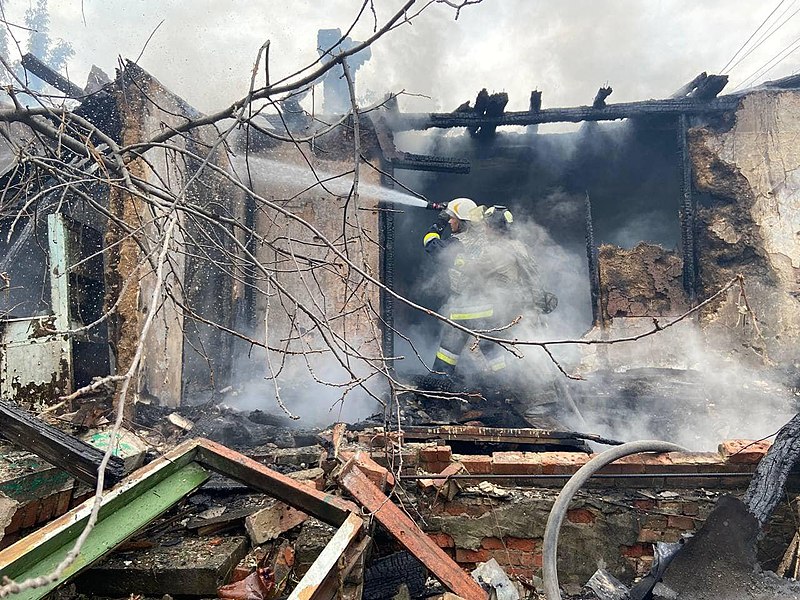
International and local investigators are probing possible war crimes that were committed in the midst of Russia’s invasion of Ukraine. Prosecutors in Kyiv revealed that they are investigating nearly 26,000 potential war crimes.
Ukraine’s chief war crimes prosecutor told Reuters that the country is probing almost 26,000 suspected cases of war crimes that were committed since the invasion. So far, 135 people have been charged in the ongoing investigations.
Among those who are charged, 15 are in Ukrainian custody, and the rest remain at large, according to Yuriy Bilousov, who leads the war crimes department of the prosecutor general’s office.
Bilousov said that 13 cases were submitted to the courts, and seven verdicts were already issued.
“Sometimes we’ve been asked why we prosecute such…low-ranked officers. It’s just because they are physically here. If generals were physically here and we were able to capture, we would definitely prosecute generals,” said Bilousov.
Back in May, a 21-year-old detained Russian soldier was the first person convicted of a war crime in Ukraine. The soldier was sentenced to life imprisonment for killing an unarmed civilian.
Ukraine was also apparently criticized by human rights group Amnesty International, accusing Ukrainian forces of endangering civilians by basing troops in residential areas during the invasion, which is moving towards its sixth month.
The criticism came in a report published Thursday last week, which drew the ire of Kyiv, with President Volodymyr Zelenskyy accusing the group of trying to shift the responsibility from Russia to Ukraine.
The head of Amnesty Ukraine, Oksana Pokalchuk, said in a post on Facebook Friday last week that she was resigning in protest of the report by the human rights group, and that she could not change it or remove the report.
In her post, Pokalchuk said the report by the group inadvertently “created material that sounded like support for Russian narratives of the invasion. In an effort to protect civilians, this study became a tool of Russian propaganda.”
“It pains me to admit it, but we disagreed with the leadership of Amnesty International on values. That’s why I decided to leave the organization,” said Pokalchuk.







