


 Tsai Warns of China’s Sustained Pressure on Taiwan
  US-Led Coalition Targets Global Factory Overcapacity
  Trump Rallies in Texas as Republicans Face Tight Midterm Races
  Merz Warns of Extremism After AfD Gains Power in Saxony-Anhalt
  Hegseth Praises USS Abraham Lincoln Crew After Record Iran War Deployment
  San Francisco Halts New Data Center Construction With 45-Day Moratorium
  Trump Says He Deserves 2026 Nobel Peace Prize Despite Uncertain Chances
  France to Release 10 Million Barrels of Diesel to Ease Fuel Prices
  Houthis Strike Aden Airport as Yemen Fighting Escalates
  Lincoln University Students Sue Missouri Over Decades of Underfunding
  Vance Demands Iran Cut Nuclear Enrichment to End War
  North Korea Slams US Taiwan Arms Sales, Reaffirms Russia Support
  Saudi Arabia Probes Flydubai Cockpit Attack
  Rapidus Seeks Chip Customers as Japan Pushes 2nm Semiconductor Revival
  Mike Rogers Calls for End to US-Canada Tariff War
  Trump Backs Florida Golf Course as Presidential Retreat
  Mexico Bars Dual Citizens From Presidential Races Starting in 2028


 Add as a preferred source on Google
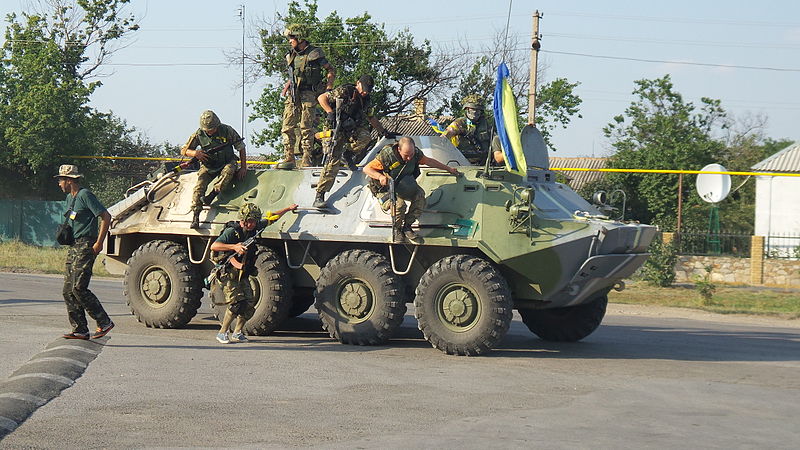
As tensions mount between Russia, the US, and Ukraine, officials from Moscow and Washington are to address the situation this week. The discussions between Russian and US officials center around the situation at the border between Russia and Ukraine, as well as the demands Moscow has made.
The negotiations this week come as a buildup of Russian troops at the border it shares with Ukraine has led to fears of a possible invasion. It also comes as Moscow demands wide-ranging guarantees from the US and NATO. The US has repeatedly warned that Russia would face severe sanctions if it decides to invade Ukraine.
US Deputy Secretary of State Wendy Sherman and her Russian counterpart, Deputy Foreign Minister Sergei Ryabkov opened their discussion at the US mission in Geneva, Switzerland. Both have already previously met Sunday though informally. Ryabkov told Russian media that their first meeting was “difficult.”
State news agency RIA Novosti reported Monday that Ryabkov said that he does not think Washington is taking Moscow’s demands for NATO to cease expanding the alliance eastward seriously.
“Are they ready to give legal guarantees that this country, as well as other countries…will not join NATO?” said Ryabkov, referring to a pledge made in 2008 by NATO to consider offering Georgia and Ukraine membership into the alliance. “I have a rather pessimistic forecast in this regard.”
The US State Department said that Sherman stressed the “freedom of sovereign nations to choose their own alliances,” during the discussions with Ryabkov.
Ahead of the discussions between the US and Russia, NATO Secretary-General Jens Stoltenberg warned to be prepared for the possibility of the talks falling through. Stoltenberg also reiterated the warning that should Russia use military force against Ukraine, severe sanctions will follow.
“We need to be prepared for the possibility that the talks break down and that diplomacy will fail, And that’s exactly why we are sending a very clear message to Russia that if they once again decide to use military force against a neighbor, then there will be severe consequences, a high price to pay – economic sanctions, financial sanctions, political sanctions,” said Stoltenberg.







