


 Trump Buys Up to $25M in Meta Stock, Invests in SpaceX Debt
  Flydubai Co-Pilot Planned Suicide Attack on Israel Airport, UAE Says
  JD Vance Questions Pentagon Plan to Livestream Fort Hood Shooter’s Execution
  US Judge Blocks Trump Administration’s Taxpayer-Funded Political Ads
  Mahmoud Abbas Postpones Palestinian Elections to September 2027
  Trump Calls for Zelenskyy Replacement Amid Russian Diesel Deal
  Yandex Data Center Hit by Drone Strike as Russia-Ukraine Cyber Infrastructure Attacks Escalate
  Russian Strikes Kill Six in Ukraine, Including Three in Kharkiv
  Flavio Bolsonaro Leads Lula 49%-45% in Brazil Runoff Poll
  North Korea Fires Ballistic Missiles as Tensions With South Korea Escalate
  Brazil Election: Lula and Bolsonaro Rally Ahead of October 25 Runoff
  Djibouti Migrant Boat Capsizes, Killing 139 and Leaving 84 Missing
  Zelenskiy Slams US-Russia Diesel Deal as Funding War
  Venezuela’s Machado Calls for Elections by July 2027
  Ripple Chairman Chris Larsen Donates $22.5 Million Ahead of US Midterms
  Trump Secures Russian Diesel Deal as US Fuel Prices Surge
  Trump Announces Russia-Ukraine Energy Ceasefire as Zelenskiy Awaits Details


 Add as a preferred source on Google
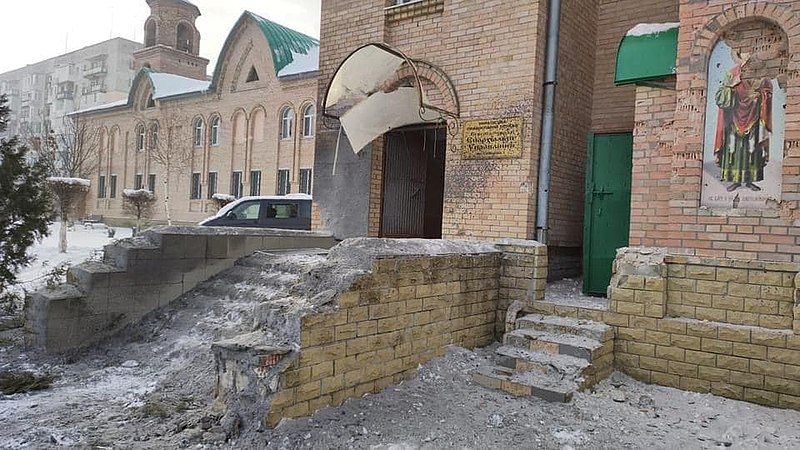
Divisions are becoming more apparent among several sectors in Ukraine following Russia’s unprovoked attack back in February. A sector of the Ukrainian Orthodox Church that was loyal to Moscow decided to cut ties with Russia, citing the war.
Reuters reports a sector of Ukraine’s Orthodox church that stayed loyal to Russia even after a schism in 2019 is cutting ties with Moscow over the war. The decision to cut ties with Russia followed a meeting by the church’s leadership, announcing in a statement that it is declaring “full independence” from Russia.
“The council has approved the corresponding additions and changes to the Statute on the Management of the Ukrainian Orthodox Church, indicating the full autonomy and independence of the Ukrainian Orthodox Church,” said the congregation in a statement Friday last week.
The statement also condemned Russia’s invasion of Ukraine and the support given to the war by Patriarch Kirill, who heads Russia’s Orthodox Church. Prior to the decision last week, over 400 parishes left the Ukrainian Orthodox Church-Moscow Patriarchate following the invasion.
In a 2020 survey by the Kyiv-based Razumkov Center, 34 percent of Ukrainians identified as members of the main Orthodox Church of Ukraine. 14 percent were members of Ukraine’s Orthodox Church-Moscow Patriarchate.
Back in 2019, Ukraine was granted permission by the spiritual leader of Orthodox Christians to form a church independent of Russia. Many parishes in Ukraine’s eastern region, however, chose to remain loyal to the Moscow Patriarchate.
Meanwhile, the United Kingdom’s Defense Ministry said Monday that Russia is suffering from significant losses among its lower-ranked officers in the war, which has raised the possibility of weaker military effectiveness for Russia moving forward.
In its latest Defense Intelligence update, the ministry shared on Twitter that brigade and battalion commanders were likely deploying to the most dangerous positions as junior officers were leading low-level tactical moves.
“With multiple credible reports of localized mutinies amongst Russia’s forces in Ukraine, a lack of experienced and credible platoon and company commanders is likely a result (in) a further decrease in morale and continued poor discipline,” said the ministry, adding that the loss of younger officers would likely worsen Russia’s problems in modernizing its military command and control.







