


 Trump Calls for Zelenskyy Replacement Amid Russian Diesel Deal
  JD Vance Questions Pentagon Plan to Livestream Fort Hood Shooter’s Execution
  Flavio Bolsonaro Leads Lula 49%-45% in Brazil Runoff Poll
  RFK Jr. Launches Nationwide Vaccine Safety Review
  Trump Buys Up to $25M in Meta Stock, Invests in SpaceX Debt
  Flydubai Co-Pilot Planned Suicide Attack on Israel Airport, UAE Says
  Venezuela’s Machado Calls for Elections by July 2027
  Trump Sanctions International Criminal Court, Sparking EU Backlash
  Trump Announces Russia-Ukraine Energy Ceasefire as Zelenskiy Awaits Details
  Pakistan Declares Emergency in Khyber Pakhtunkhwa, Suspends Imran Khan’s PTI Government
  Trump Announces Russia-Ukraine Energy Ceasefire Amid U.S. Pressure on Kyiv
  Yandex Data Center Hit by Drone Strike as Russia-Ukraine Cyber Infrastructure Attacks Escalate
  Trump Secures Russian Diesel Deal as US Fuel Prices Surge
  US, EU Push for Action Against Asia’s Excess Factory Capacity
  North Korea Fires Ballistic Missiles as Tensions With South Korea Escalate
  US Charges Maduro and Wife With Torture Conspiracy
  Zelenskiy Offers Russia Energy Truce Amid Trump Pressure


 Add as a preferred source on Google
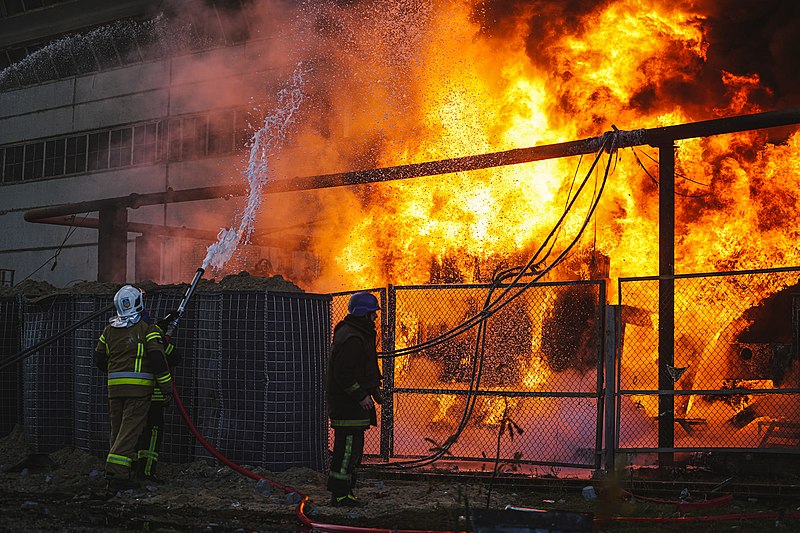
The International Energy Agency said the war in Ukraine has led to shifts in energy policies in the world. The agency said the war would ramp up the shift to cleaner energy and away from fossil fuels.
The IEA released its annual World Energy Outlook report Thursday, saying that the war in Ukraine has likely resulted in an increased effort by countries to shift to cleaner energy in the long term. The report added that Russia, which invaded Ukraine on February 24 and is the largest exporter of fossil fuels, was targeted by cuts in natural gas supply to Europe and imports of coal and oil due to sanctions.
“Energy markets and policies have changed as a result of Russia’s invasion of Ukraine, not just for the time being, but for decades to come,” said IEA executive director Fatih Birol.
“The energy world is shifting dramatically before our eyes. Government responses around the world promise to make this a historic and definitive turning point towards a cleaner, more affordable, and more secure energy system.”
The IEA projected that Russia’s supply of internationally-traded energy will drop to 13 percent by 2030 from around 20 percent in 2021.
The report added that prices for natural gas “have reached levels never seen before,” which regularly exceeded $250 for a barrel of oil. As the price of coal rose, oil prices went up $100 per barrel in mid-2022.
With the transition to green energy relying on investment, the IEA projected an uptick in investments from $1.3 trillion today to $2 trillion by 2030, reaching net zero emissions by the end of the decade. The report added that global emissions of fossil fuels will peak by 2025, as coal use dwindles over time, with natural gas demand reaching a plateau by 2030, and the demand for oil off in the middle of the next decade.
On the ground, Ukrainian forces are gearing up for a counter-attack in the Kherson region, with Ukraine’s defense minister saying that the counter-attack in Kherson was posing more of a challenge due to the weather and the terrain.
Defense minister Oleksii Reznikov noted that Ukraine’s southern territory is an agricultural region with water supply channels and irrigation, adding that Russian forces were able to use the environment to their advantage.







