


 Brazil Presidential Debate Canceled as Lula, Bolsonaro Skip Event
  Wicker Urges US to Uphold Taiwan Security Commitments
  Netanyahu Says Israel May Join Flydubai Crash Attempt Probe
  Israeli Settler Attack in West Bank Kills Palestinian
  South Korea Warns Ukraine Over North Korean POW Dispute
  Marco Rubio to Visit Iceland, Greece and Portugal
  Israel Tightens Pilot Security After Flydubai Incident
  US Conducts Non-Nuclear Explosion Test to Boost Nuclear Detection
  US Officials See China Taiwan Invasion Before 2028 as Less Likely
  US Waives $320M Egypt Military Aid Conditions After Iran War Role
  Lula Leads Flavio Bolsonaro 48%-45% in Datafolha Poll
  Trump Praises Boeing 737 Max After Flydubai Crash Attempt
  TRUMP Memecoin Launches New Dinner Contest
  California Leads Lawsuit Over Trump’s $810 Million Funding Cuts
  Pentagon Launches Autonomous Warfare Command
  Ukraine Deploys FP-7 Ballistic Missile in Combat for First Time


 Add as a preferred source on Google
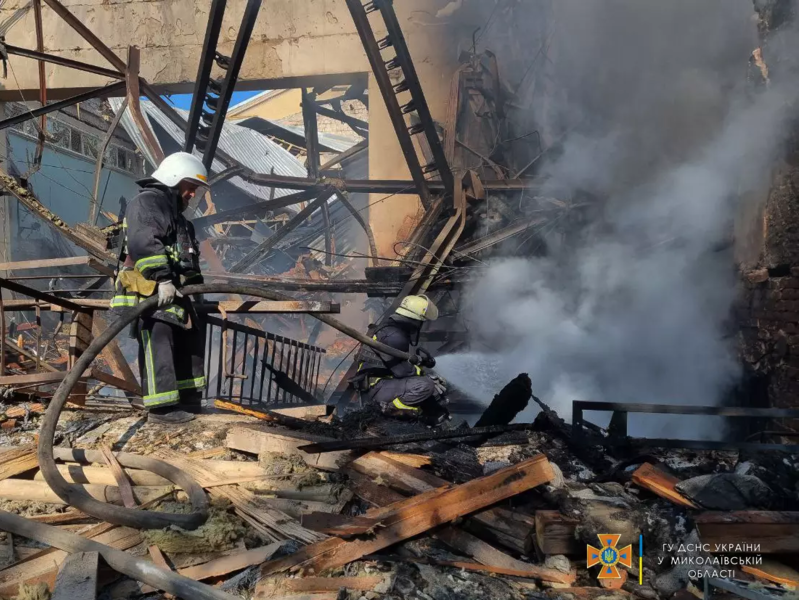
NATO Secretary-General Jens Stoltenberg reiterated that Russia was trying to weaponize the winter season against Ukraine as the war is in its ninth month. Stoltenberg added that the alliance must be prepared for more attacks on Ukraine as Russia continues to bombard its energy infrastructure.
Ahead of the two-day meeting of NATO foreign ministers in Romania this week, Stoltenberg said Russian leader Vladimir Putin was trying to weaponize the winter months even against Ukrainian civilians as casualties pile up on the ground. Stoltenberg stressed the importance of staying prepared for another escalation from Russia.
“President Putin is now trying to use the winter as a weapon of war against Ukraine and this is horrific and we need to be prepared for more attacks,” said Stoltenberg. “That’s the reason why NATO’s allies have stepped up their support for Ukraine.”
A group of foreign ministers from the Baltic and Nordic countries visited Ukraine ahead of the ministerial meeting of the alliance in Romania. Estonian foreign minister Urmas Reinsalu also said that Russia was trying to weaponize energy security against Ukraine as it continues to bombard its energy infrastructure.
Russia has acknowledged targeting Ukraine’s infrastructure, and Kyiv said the attacks were meant to harm civilians and amount to a war crime. The European Union’s foreign policy chief Josep Borrell said that Putin is trying to turn Ukraine into a “black hole – no light, no electricity, no heating to put the Ukrainians into the darkness and the cold.” and that meant continued support for Ukraine by the bloc.
During the first day of the two-day NATO conference, the alliance’s foreign ministers all condemned Russia’s attacks on Ukrainian energy infrastructure and pledged continued support for Ukraine in a joint statement. The alliance pledged to assist Ukraine in rebuilding as it repairs its energy infrastructure.
“Russia’s aggression, including its persistent and unconscionable attacks on Ukrainian civilian and energy infrastructure, is depriving millions of Ukrainians of basic human services,” said the ministers in the statement. “We will continue and further step up political and practical support to Ukraine as it continues to defend its sovereignty and territorial integrity…and will maintain our support for as long as necessary.”
The foreign ministers also confirmed a 2008 NATO Summit decision that Ukraine would eventually become a member of the military alliance.







