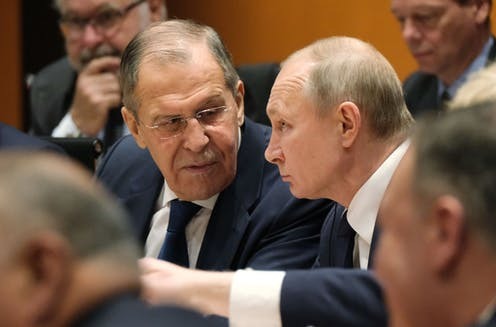
Russian Foreign Minister Sergei Lavrov held talks with Iranian counterpart Abbas Araqchi on Friday, with both sides exploring the possibility of a political and diplomatic resolution to the ongoing military crisis in the Middle East. According to a statement released by Russia's foreign ministry, the two officials engaged in detailed discussions surrounding what Moscow described as a severe military-political situation triggered by what it characterized as unprovoked American-Israeli aggression against Iran.
The conversation centered on identifying pathways to transition the conflict toward a negotiated settlement grounded in international law, while also accounting for the legitimate interests of all nations within the region. Lavrov additionally briefed Araqchi on Russia's latest delivery of humanitarian aid to Iran, underscoring the deepening bilateral relationship between the two countries.
Russia and Iran have formalized their ties through a comprehensive strategic partnership agreement that spans political, economic, military, and energy sectors. Notably, however, the agreement stops short of including a mutual defense clause, meaning neither country is formally obligated to militarily intervene on the other's behalf.
The diplomatic exchange comes amid growing concern among Western nations over the nature of Russian-Iranian cooperation. At a G7 meeting on the same day, European foreign ministers raised the issue directly with U.S. Secretary of State Marco Rubio, asserting that Russia has been actively supporting Iran in its conflict against American forces in the region. According to two Western security sources and a regional official with knowledge of the situation in Tehran, Moscow has reportedly been supplying satellite imagery to Iran and assisting in the upgrade of Iranian drones — modifications said to mirror the drone technology Russia itself has been deploying in its ongoing war against Ukraine, now entering its fifth year.
The developments signal a tightening alliance between Moscow and Tehran that continues to draw sharp international scrutiny.