


 Tabletop particle accelerator could transform medicine and materials science
  Neuralink Plans High-Volume Brain Implant Production and Fully Automated Surgery by 2026
  NASA Artemis II: First Crewed Moon Mission Since Apollo Takes Four Astronauts on 10-Day Lunar Journey
  Senate Sets December 8 Vote on Trump’s NASA Nominee Jared Isaacman
  Blue Origin New Glenn Explosion Could Delay Launch Operations Until 2028
  Eli Lilly’s Inluriyo Gains FDA Approval for Advanced Breast Cancer Treatment
  Cogent Biosciences Soars 120% on Breakthrough Phase 3 Results for Bezuclastinib in GIST Treatment
  FDA Pilot Program Eases Rules for Nicotine Pouch Makers
  Is space worth the cost? Accounting experts say its value can’t be found in spreadsheets
  Trump Administration to Launch Autism Initiatives Targeting Acetaminophen Use and New Treatment Options
  Trump and Merck KGaA Partner to Slash IVF Drug Costs and Expand Fertility Coverage


 Add as a preferred source on Google
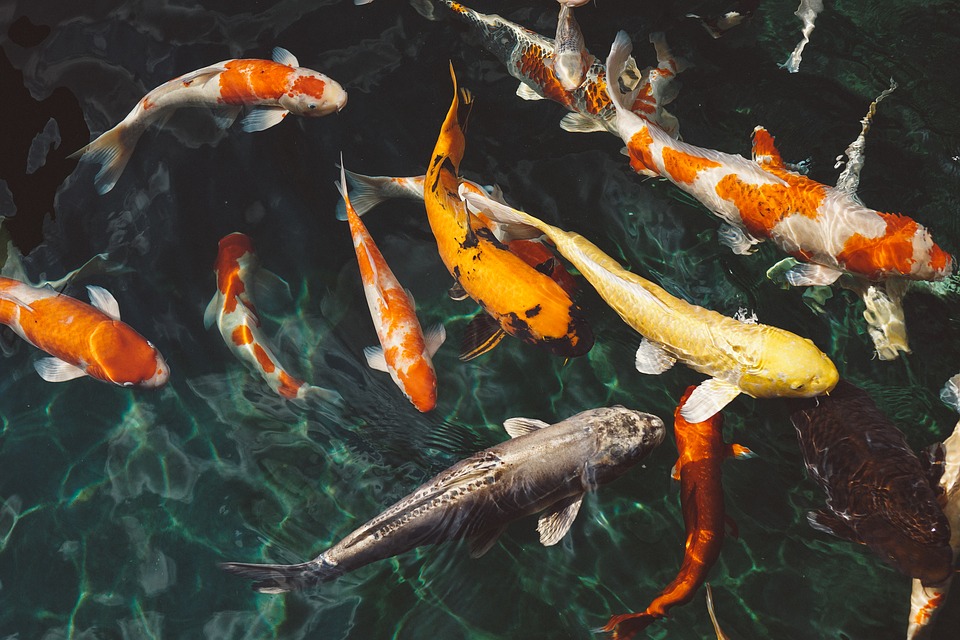
One of the underlying problems the world faces today is climate change, with the rising temperatures and melting ice in the polar regions. Scientists have now warned that the rising temperatures could drive many species of fish into endangerment.
Express reports that a study analyzing the temperature tolerances of 694 species of fish, both marine and freshwater found the kind of impact the rising temperatures would have on the fish. The researchers factored in the range of temperatures the species could take at each life stage and the changes in spawning areas to see what kind of impact climate change would have on its population.
According to the study’s first author, Helmholtz Center for Polar and Marine Research biologist Dr. Fleming Dahlke, fish are actually a lot more sensitive to heat outside the mating season, compared to when in their larval stage or when they reach sexual maturity.
Should global warming could be reduced to only 1.5 degrees Celsius by the end of the century, then only 10 percent of species will be forced to go further north. However, that may not be the case given the current predictions on how fast the temperatures will rise. Fish will be forced to either adapt through the means of biological evolution or move a lot closer to the polar regions.
Dr. Dahlke said that some species of fish will likely succeed in adapting. “But if you consider the fact that fish have adapted their mating patterns to specific habitats over extremely long time frames and have tailored their mating cycles to specific ocean currents and available food sources, it has to be assumed that being forced to abandon their normal spawning areas will mean major problems for them.”
Climate change has also been thought by some scientists as the actual cause of the mass extinction of the dinosaurs. However, a study from the University of Rhode Island suggests that the mass extinction did not occur right away, but was rather a gradual decline.
The researchers found that there were some species that went extinct prior to the asteroid that collided with the planet millions of years ago. There were also species that died out a few million years after the collision and during the early stages of the changing climate.







