


 Bosnia Election Puts EU Bid and Foreign Influence in Focus
  Flydubai FZ1073 Co-Pilot Accused of Terror Attack
  Iran Keeps Strait of Hormuz Closed as War Talks Stall
  Flavio Bolsonaro, Lula Head to Brazil Presidential Runoff
  Tsai Ing-wen to Visit US for Stanford Security Conference
  Merz to Meet ECB Frontrunners Knot and De Cos
  Japan Protests to US After Marine Arrested in Okinawa Murder Case
  India-US Trade Deal Talks Hit Plateau, Sitharaman Says
  OPEC+ Keeps November Oil Output Targets Steady
  Paraguay Opposition Wins Key Mayor Races in Blow to Colorado Party
  US Waives Egypt Military Aid Conditions Over Iran War Role
  UK Warned Over Growing Reliance on US Cloud Providers
  Trump Heads to Ohio to Boost Husted in Tight Senate Race
  G20 Divided Over US Push to Curb Industrial Overcapacity
  Nicaragua Withdraws From Central American Parliament
  Iran Plans Stronger Response if US Attacks Resume
  Ukraine to Intensify Strikes on Russian Oil Refineries


 Add as a preferred source on Google
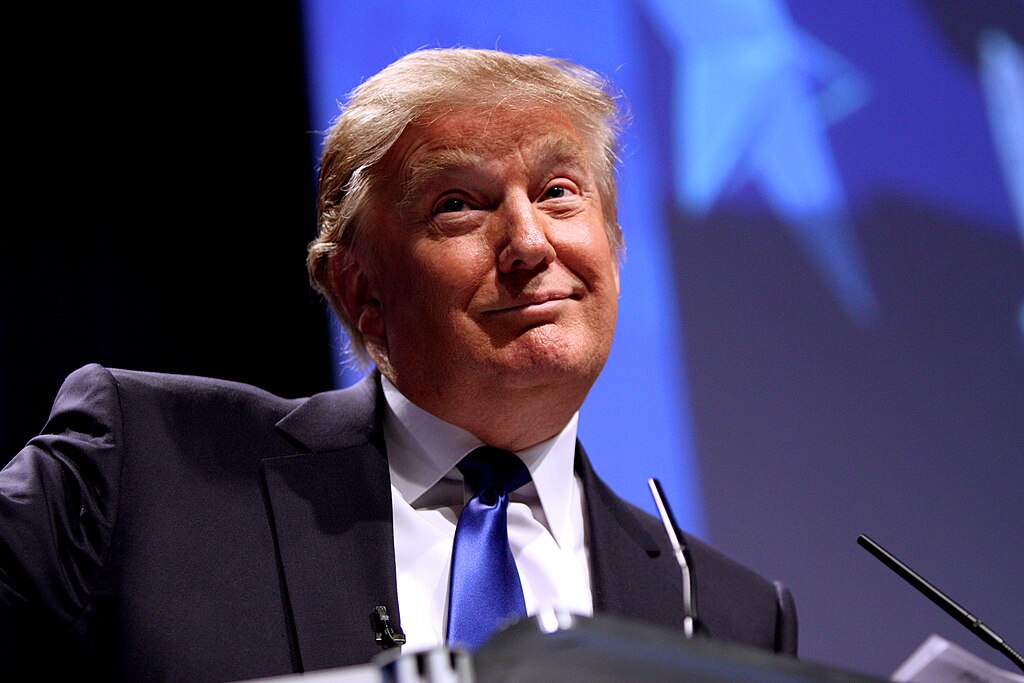
Conservative radio host Sid Rosenberg took to social media with a bold declaration that President Donald Trump is the only leader capable of resolving the issues plaguing “blue cities, blue states, or a blue administration.” In a fiery post, Rosenberg praised Trump as America’s singular hope for restoring order and addressing problems he attributed to Democratic-led cities and states. His remarks stirred supporters while drawing criticism from Trump opponents, underscoring the nation’s continuing political divide.
Rosenberg, who hosts the popular morning show on 77 WABC in New York, has long been an outspoken advocate for conservative policies and a fervent supporter of Trump. In his post, he argued that Democratic governance has brought disarray to many American cities, blaming current “blue” leadership for rising crime rates, deteriorating infrastructure, and socioeconomic struggles. His answer to these problems? A return of Trump to the Oval Office. “There’s only one person alive today that can fix all of it,” Rosenberg proclaimed. “That’s President Donald J. Trump.”
The message ignited social media discussions, sparking both applause from Trump supporters and criticism from those who see his comments as dismissive of local and state leadership. Supporters in the comments praised Rosenberg for his outspokenness, echoing his sentiment that Trump’s leadership could reinvigorate cities grappling with these issues. Others, however, challenged Rosenberg’s perspective, accusing him of overlooking complexities that extend beyond party lines.
According to Rosenberg, Trump’s 2016-2020 administration represented a period of strength and order, especially compared to what he sees as an ongoing crisis in major Democratic-led areas. Rosenberg’s portrayal of Trump as a political savior aligns with his frequent criticisms of the current administration, which he has accused of mismanaging various crises, including immigration and economic instability.
“Donald Trump brought respect back to America,” Rosenberg stated in a recent broadcast. “He stood up to adversaries, reduced taxes, and prioritized American citizens. We’ve seen the difference, and it’s time to bring that leadership back.”
However, his statements received pushback, particularly from Democratic officials and Trump critics who argued that Rosenberg’s post exaggerates Trump’s impact while oversimplifying the challenges facing urban and state governance. New York City Council member Jamal Brown countered, “Sid’s comments ignore the local efforts underway to address these complex problems. Cities need real, practical solutions, not divisive rhetoric.”
Political analyst Emily Harris suggested that Rosenberg’s comments might be an attempt to rally Trump’s base as the former president explores another potential run. “It’s not uncommon to see allies praise Trump’s leadership qualities, especially as he contemplates a return to the White House. Rosenberg’s post might be meant to resonate with voters who feel disillusioned by the current administration,” Harris noted.
Some commentators argue that Rosenberg’s remarks highlight a larger trend of partisanship, with Trump supporters often framing his presidency as a beacon of strength in contrast to Democratic governance. Yet, critics caution that such a binary portrayal risks undermining bipartisan solutions and further polarizes discussions on America’s pressing issues.
Rosenberg, undeterred by the criticism, has continued to champion Trump’s leadership on his show and social media. As the 2024 election approaches, Rosenberg’s loyal base of listeners remains engaged, reinforcing his belief that Trump’s potential return would mark a turning point for the nation.
Rosenberg’s endorsement of Trump as the ultimate problem-solver speaks to a deep-rooted sentiment among certain voters: that Trump represents stability in turbulent times. As debates around leadership continue to intensify, figures like Rosenberg serve as a megaphone for Trump’s potential reentry into the political arena, positioning him as the answer to America’s challenges.







