


 US Judge Blocks Trump Administration’s Taxpayer-Funded Political Ads
  Trump Announces Russia-Ukraine Energy Ceasefire Amid U.S. Pressure on Kyiv
  Trump Announces Russia-Ukraine Energy Ceasefire as Zelenskiy Awaits Details
  Yandex Data Center Hit by Drone Strike as Russia-Ukraine Cyber Infrastructure Attacks Escalate
  Houthis Warn Saudi Airports After Deadly Riyadh Attack
  Trump Sanctions International Criminal Court, Sparking EU Backlash
  Mahmoud Abbas Postpones Palestinian Elections to September 2027
  US, EU Push for Action Against Asia’s Excess Factory Capacity
  Zelenskiy Slams US-Russia Diesel Deal as Funding War
  Russian Strikes Kill Six in Ukraine, Including Three in Kharkiv
  Trump Cancels Alabama Football Trip as Hurricane Isaias Approaches
  Flavio Bolsonaro Leads Lula 49%-45% in Brazil Runoff Poll
  JD Vance Questions Pentagon Plan to Livestream Fort Hood Shooter’s Execution
  UK Finance Minister Healey Calls for Fiscal Discipline Amid Global Risks
  Brazil Election: Lula and Bolsonaro Rally Ahead of October 25 Runoff
  Panama Declares Emergency After 7.7 Earthquake Triggers 200 Aftershocks
  Trump Secures Russian Diesel Deal as US Fuel Prices Surge


 Add as a preferred source on Google
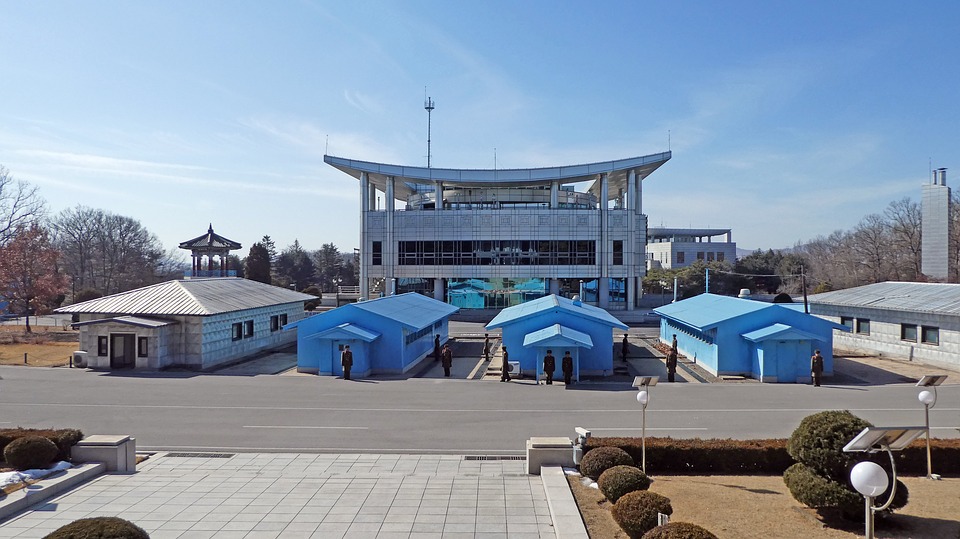
Tensions flared between the two Koreas in an incident where a South Korean official was fatally shot by North Korean soldiers back in 2020. South Korean authorities reported this week that the official that was fatally shot did not have any intent to defect.
In a report by Reuters, South Korean maritime and military authorities said Thursday that the fisheries official that was shot and burned by North Korean troops in 2020 had no evidence proving an intent to defect.
The announcement was a reversal of its previous report that the official, Lee Dae-jun, was seeking to defect to North Korea.
“We could not find evidence that he had made efforts to cross the border to the North,” South Korean coast guard Park Sang-choon during a briefing.
“As a result of reinvestigation, we could not verify the missing official voluntarily went to the North, but I can clearly say that there was evidence that the North Korean troops shot him dead and burned his body,” said defense ministry official Yoon Hyung-jin, who also apologized for “causing confusion” over the announcements.
Lee went missing in September of 2020 while at work as a fishing inspector. Lee was later fatally shot by North Korean soldiers, and his body was set on fire. The incident marked an increase in tensions in the peninsula.
At the time, the authorities of South Korea’s coast guard and the military said that Lee may have sought to defect to North Korea. They cited intelligence sources as well as Lee’s incurred debts from gambling.
However, Lee’s family refuted the claim resulting in a lawsuit that called for the government to release records.
Another point of tension in the region was over North Korea’s weapons tests that moved forward despite breaching international sanctions.
During the Shangri-La Dialogue security summit in Singapore Sunday, South Korean defense minister Lee Jong-sup said the country would bolster its defense capabilities and coordinate with the United States and Japan to counter the threat that North Korea poses.
Lee added that South Korea was ready to extend economic support to North Korea should Pyongyang decide to stop its nuclear program.







