


 Pakistan Declares Emergency in Khyber Pakhtunkhwa, Suspends Imran Khan’s PTI Government
  Trump Sanctions International Criminal Court, Sparking EU Backlash
  Brazil Election: Lula and Bolsonaro Rally Ahead of October 25 Runoff
  Trump Announces Russia-Ukraine Energy Ceasefire Amid U.S. Pressure on Kyiv
  US Judge Blocks Trump Administration’s Taxpayer-Funded Political Ads
  Djibouti Migrant Boat Capsizes, Killing 139 and Leaving 84 Missing
  Flavio Bolsonaro Leads Lula 49%-45% in Brazil Runoff Poll
  North Korea Fires Ballistic Missiles as Tensions With South Korea Escalate
  Ripple Chairman Chris Larsen Donates $22.5 Million Ahead of US Midterms
  US, EU Push for Action Against Asia’s Excess Factory Capacity
  Houthis Warn Saudi Airports After Deadly Riyadh Attack
  US Charges Maduro and Wife With Torture Conspiracy
  Zelenskiy Slams US-Russia Diesel Deal as Funding War
  Yandex Data Center Hit by Drone Strike as Russia-Ukraine Cyber Infrastructure Attacks Escalate
  RFK Jr. Launches Nationwide Vaccine Safety Review
  Trump Buys Up to $25M in Meta Stock, Invests in SpaceX Debt


 Add as a preferred source on Google
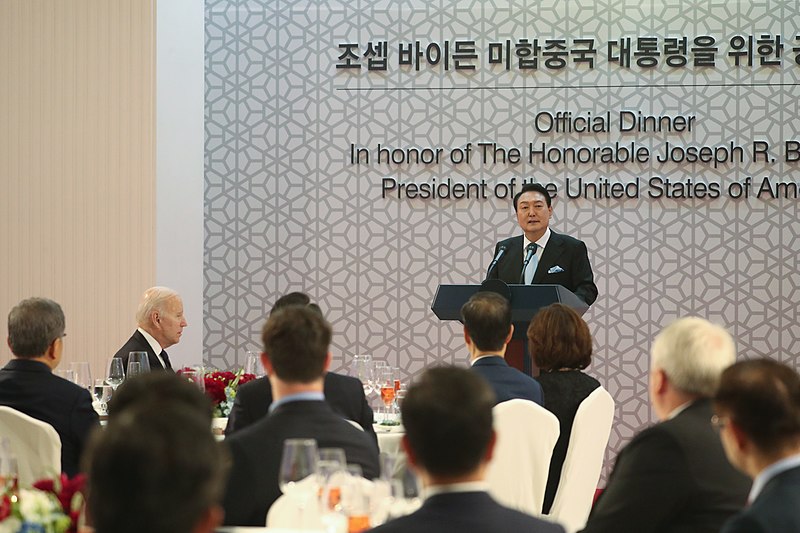
South Korean President Yoon Suk-yeol is only two weeks into his presidency since getting inaugurated on May 10, but his potential administration is already facing setbacks. Another cabinet nominee has withdrawn over allegations of nepotism surrounding university admissions.
In a report by Reuters, Yoon’s nominee for health minister, Chung Ho-young, withdrew from the nomination this week following South Korean media reports alleging that Chung used his position at a national university hospital to help his children to be admitted to the university’s medical school years ago.
While Chung denied any wrongdoing, he said it is likely there are aspects of the incident that the public did not agree with.
In a survey by Korea Research International Inc that was published this month, Chung’s nomination was deemed “inappropriate” by 56.6 of the respondents compared to the 24.7 percent who said it was “appropriate.”
Chung is the second cabinet nominee to withdraw over nepotism allegations, as last week, Yoon’s nominee for education minister Kim In-chul withdrew from the nomination. South Korean media reports alleged that Kim also used his position as the head of the Korea Fulbright Alumni Association to secure scholarships for his children to study in the US.
Kim apologized for the allegations and stepped down, saying that he would not try to explain his stance or make an excuse. Yoon’s office said it respected the decisions of his nominees. Lawmakers from Yoon’s conservative party, however, made the suggestion for Chung to withdraw from the nomination.
Yoon is expected to take a more stern approach toward North Korea, as tensions are flaring up in the peninsula with Pyongyang’s continued weapons tests. The latest test took place Wednesday, following the summit by US President Joe Biden and his counterparts in the Quad regional grouping in Japan. Prior to the meeting in Japan, Biden also met with Yoon during his visit to South Korea.
Following the test, South Korea’s National Security Council held a meeting over the weapons test and condemned Pyongyang’s latest test, describing it as a “grave provocation.”
Yoon, who presided over the meeting, instructed his officials to take the agreed steps to strengthen the US deterrence.







