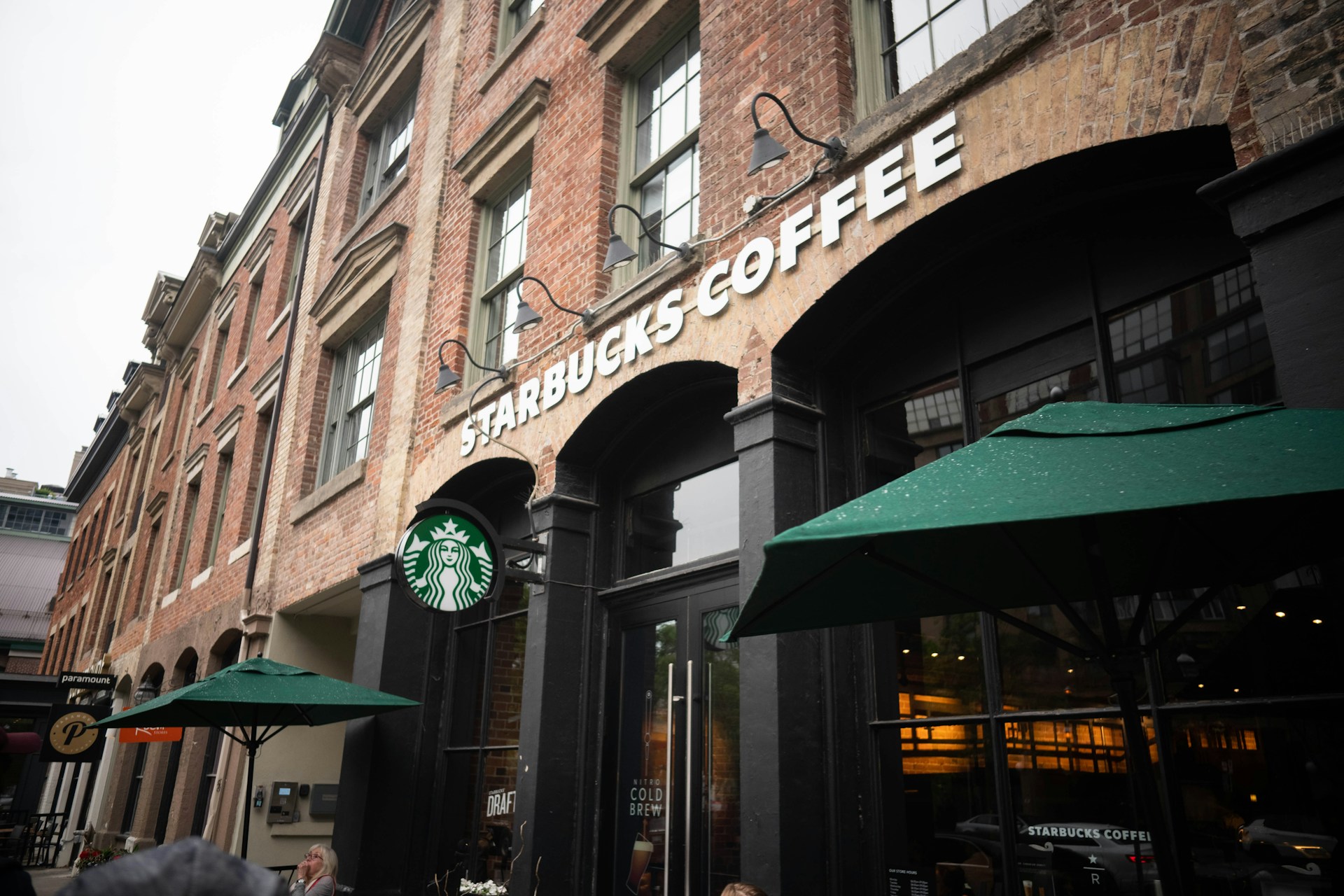
Starbucks reported its first increase in comparable sales in nearly a year and a half, driven by international markets, even as soaring coffee bean prices squeezed profit margins. The coffee giant’s global same-store sales rose 1%, while U.S. sales remained flat as budget-conscious consumers cut back on premium coffee purchases amid ongoing inflation.
CEO Brian Niccol, who took over in August last year, said Starbucks would be cautious about raising prices in 2026 and does not anticipate broad menu hikes. Niccol’s “Back to Starbucks” initiative — which includes closing hundreds of underperforming stores, simplifying the menu, and speeding up service — aims to revive U.S. growth. He noted the latest quarter marks a turning point for domestic operations, though higher coffee bean costs will persist for at least two more quarters.
Global arabica coffee prices have surged over 20% this year, following a 70% rise in 2024, driven by climate issues and geopolitical tensions — including former U.S. President Donald Trump’s 50% tariffs on top producer Brazil. Combined with higher labor, rent, and import costs, these factors have strained Starbucks’ profitability.
The company’s operating margin plunged to 2.9% from 14.4% a year earlier, with earnings per share at 52 cents, missing analyst expectations of 56 cents. Industry analysts warn Starbucks’ turnaround could take longer than Wall Street anticipated.
In China, Starbucks’ second-largest market, comparable sales rose 2% as the company adjusted pricing and introduced more localized menu options. The brand continues its restructuring efforts, closing about 600 underperforming stores, including its unionized Seattle roastery. Starbucks also plans to invest over $500 million to enhance labor efficiency across U.S. stores and will issue a financial outlook in January.
Meanwhile, labor tensions persist with unionized baristas, as negotiations remain stalled but both parties signal willingness to resume talks.