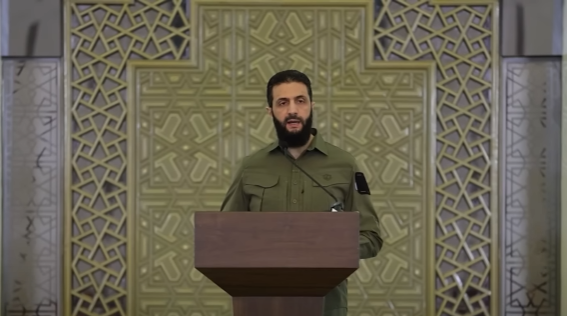
Syrian President Ahmed al-Sharaa has arrived in New York to attend the United Nations General Assembly, marking the first time a Syrian leader has participated since 1967. His presence signals a significant diplomatic moment for Syria as the country seeks international recognition and stability after decades of isolation.
Sharaa, once a controversial figure with ties to al Qaeda and a $10 million bounty on his head, has transformed his political image in recent years. In May, he secured a major breakthrough when U.S. President Donald Trump recognized him during a high-profile meeting in Riyadh. This recognition paved the way for a dramatic shift in U.S.-Syria relations.
Following this diplomatic milestone, Washington lifted most sanctions on Syria, providing the embattled nation with new opportunities to re-engage with the global community. The Trump administration has since expressed support for Sharaa’s initiatives aimed at unifying Syria and rebuilding the war-torn country.
Sharaa’s upcoming speech at the UN General Assembly, which begins its 80th session on Tuesday, is expected to outline his vision for Syria’s future. Analysts anticipate he will emphasize peace efforts, reconstruction, and reintegration into international diplomacy. For Syria, this address could mark the beginning of a new chapter in its global standing.
The historic visit is not only a diplomatic victory for Sharaa but also a turning point for Syria’s international relations. His participation at the UN General Assembly highlights the shifting geopolitical landscape and underscores the importance of dialogue in resolving long-standing conflicts.
With the world watching, President Sharaa’s address has the potential to redefine Syria’s role on the international stage and solidify his leadership in steering the country toward recovery and stability.