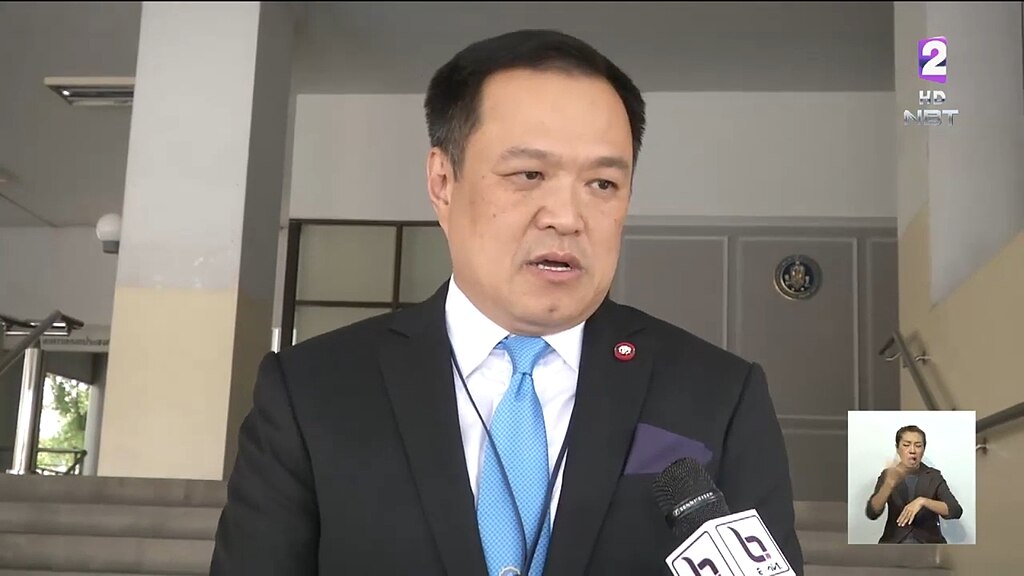
Thailand is heading toward early elections after Prime Minister Anutin Charnvirakul announced the dissolution of parliament, saying he is “returning power to the people.” The decision accelerates the country’s election timeline and comes amid political deadlock, economic pressure, and escalating border tensions with Cambodia.
According to government spokesperson Siripong Angkasakulkiat, the move followed an irreconcilable disagreement with the opposition People’s Party, the largest bloc in parliament. Speaking to Reuters, Siripong said the government could no longer move legislation forward, prompting the prime minister to act. Thailand’s King Maha Vajiralongkorn later endorsed the decree, with the Royal Gazette confirming that new elections must be held within 45 to 60 days under Thai law.
Anutin, Thailand’s third prime minister since August 2023, had previously indicated that parliament would be dissolved by the end of January, with elections planned for March or early April. The new announcement significantly brings that schedule forward, underscoring the depth of the political crisis. The instability is weighing on Thailand’s economy, the second largest in Southeast Asia, which is already struggling with high household debt, weak consumer spending, and the impact of U.S. tariffs.
The political upheaval coincides with a serious security challenge, as Thailand and Cambodia enter a fourth day of intense border clashes. At least 20 people have been killed and nearly 200 wounded, with fighting reported at more than a dozen locations and involving heavy artillery. Anutin has stressed that dissolving parliament will not affect military operations along the frontier.
Anutin came to power after withdrawing his Bhumjaithai Party from a ruling coalition and gaining support from the People’s Party, which demanded concessions such as a referendum on constitutional amendments. Siripong said tensions escalated when those demands were not met, leading the opposition to threaten a no-confidence motion and call for immediate dissolution. People’s Party leader Natthaphong Ruengpanyawut later accused Bhumjaithai of failing to honor their agreement, emphasizing the opposition’s push for constitutional reform as Thailand prepares for a crucial election period.