


 Saudi Arabia Shuts East-West Oil Pipeline After Drone Attack
  Banking scandal rocks Brazil’s politics and the country’s presidential election in October
  Saudi Arabia Raises Security Alerts as Houthi Attacks Threaten Oil Routes
  Japan, U.S. Discuss $19 Billion GlobalFoundries Chip Plant
  US-China Experts Push AI Nuclear Safeguards to Prevent Military Escalation
  Guterres Urges Stronger Global AI Safeguards Ahead of UN Assembly
  Yemen Fighting Threatens Red Sea Oil Routes
  Rodrigo Duterte Makes First Public Appearance at ICC in 18 Months
  Trump Administration Pauses Visa Appointments Worldwide
  U.S. Issues Cuba Health Alert as Illnesses Rise
  New Zealand Labour Backs Social Media Ban for Under-16s
  Iran Economic Crisis Forces Afghan Families to Return Home
  Europe can’t achieve space sovereignty alone. Here’s why
  South Korea’s Cho Hyun to Meet Rubio in Washington
  North Korea Vows to Expand Nuclear Arsenal Amid U.S.-Led Military Buildup
  What is Zionism? The different meanings of a contested term
  FDA Names Permanent Drug and Biologics Center Chiefs


 Add as a preferred source on Google
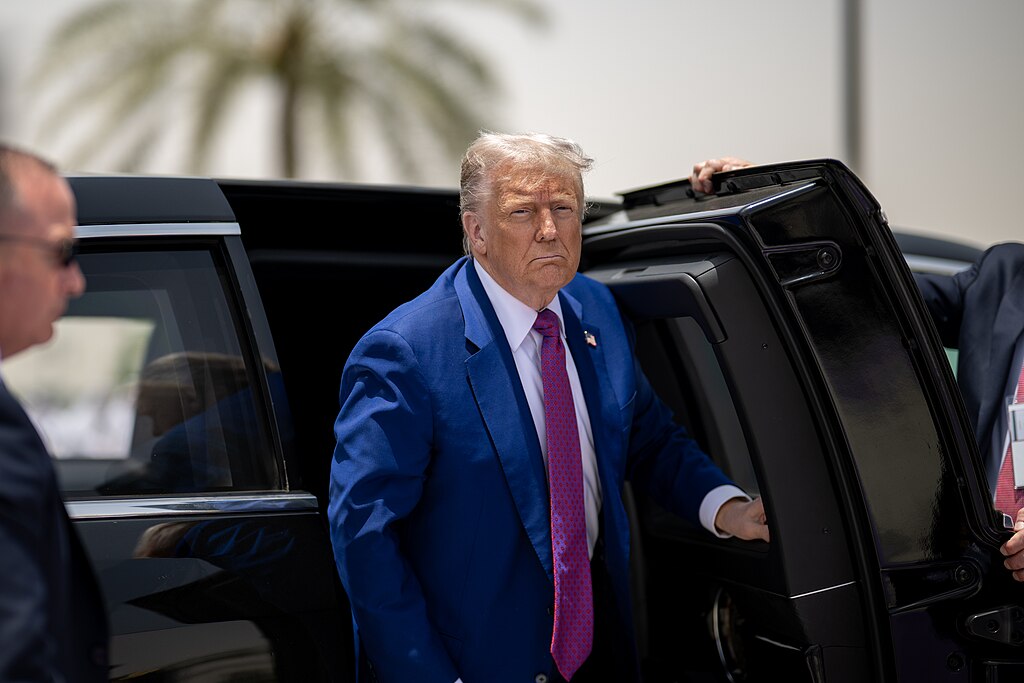
The Trump administration has announced a sweeping suspension of immigrant visa processing for applicants from 75 countries, intensifying its broader immigration crackdown since President Donald Trump returned to office. According to a State Department spokesperson, the pause will begin on January 21 and affects a wide range of countries across Latin America, Africa, the Middle East, South Asia, the Balkans, and the Caribbean.
Countries impacted include Brazil, Colombia, Uruguay, Bosnia, Albania, Pakistan, Bangladesh, and dozens of nations across Africa and the Middle East, as well as Russia and several Caribbean states. The suspension applies only to immigrant visas and does not affect non-immigrant visitor visas, which remain a priority as the United States prepares to host major global events such as the 2026 FIFA World Cup and the 2028 Summer Olympics.
State Department Principal Deputy Spokesperson Tommy Pigott said the decision is rooted in long-standing U.S. authority to deny entry to immigrants deemed likely to become a “public charge.” He added that immigrant visa processing from the affected countries will remain paused while officials reassess screening procedures to prevent the entry of foreign nationals who could rely on welfare or public benefits.
The move follows a directive issued to U.S. diplomats in November, instructing them to apply stricter standards to ensure visa applicants are financially self-sufficient. The policy was first reported by Fox News and later confirmed by U.S. officials.
While President Trump has long focused his political messaging on combating illegal immigration, critics argue his administration is also making legal immigration significantly more difficult. New policies have included higher fees for legal pathways such as H-1B visas for highly skilled workers, expanded social media vetting, and tighter screening requirements. The State Department has confirmed that more than 100,000 visas have been revoked since Trump took office.
Immigration policy experts warn the suspension could have far-reaching consequences. David Bier of the Cato Institute said the action could effectively block nearly half of all legal immigrants, potentially turning away more than 300,000 people in the next year alone. Despite criticism, the administration maintains that tougher immigration controls are necessary to protect U.S. taxpayers and national security.







